Nance
Also called Changunga · Muruçi · NancheByrsonima crassifolia · Malpighiaceae family
A small tropical fruit whose distinctive aroma is part of its appeal.
Find it near DetroitGet to know it
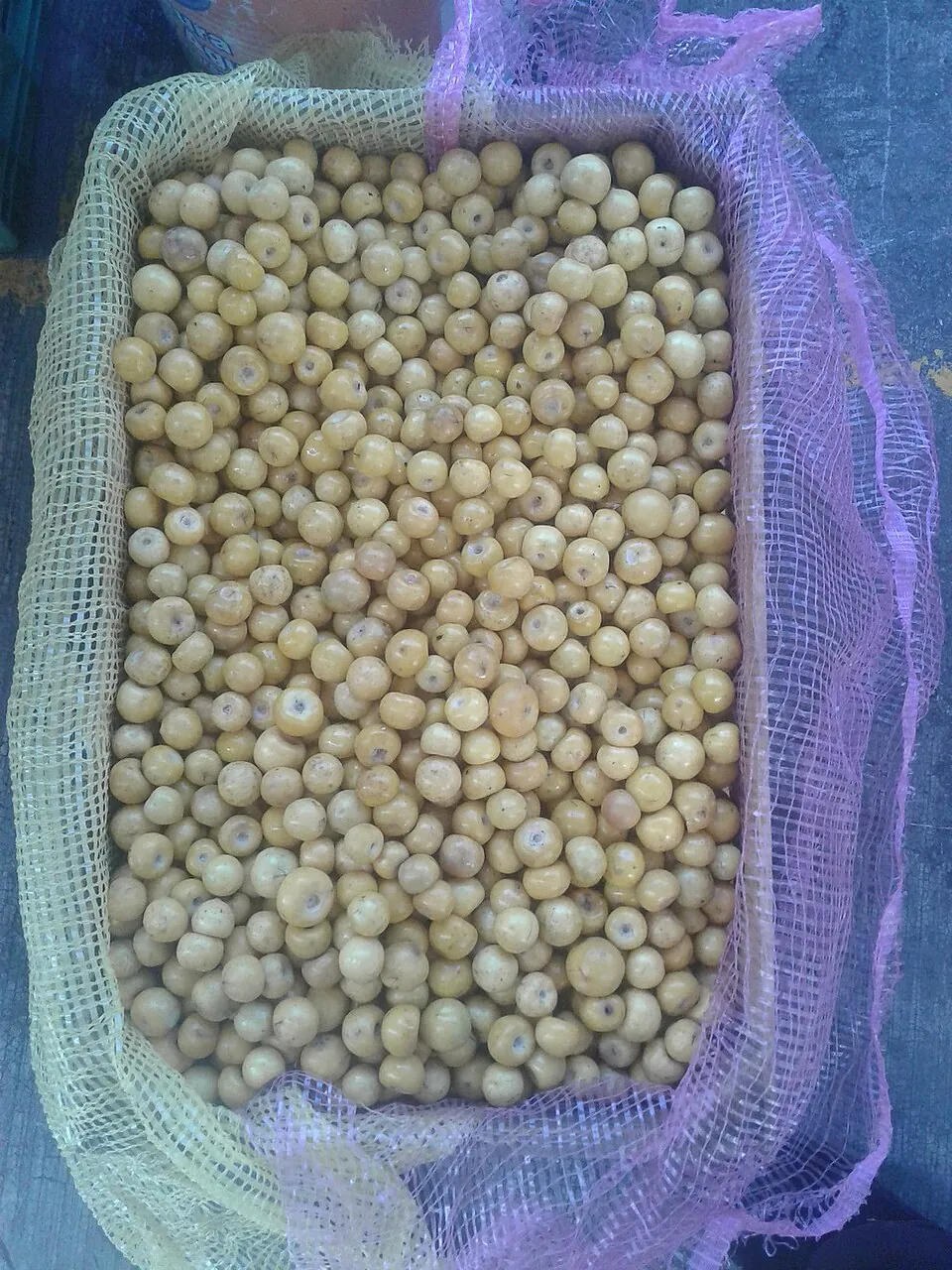
Nance is a little orange-yellow fruit with a smell as distinctive as its taste. Its white, juicy flesh can be sweet, sharp or cheese-like, and in Panama it becomes a smooth pudding topped with salty fresh cheese.
What it is
Under the thin skin, nance has somewhat oily flesh wrapped around one fairly large stone. That stone holds one to three seeds. The flavour varies widely: some fruits are mild, others sweet, sharply acidic or cheese-like.
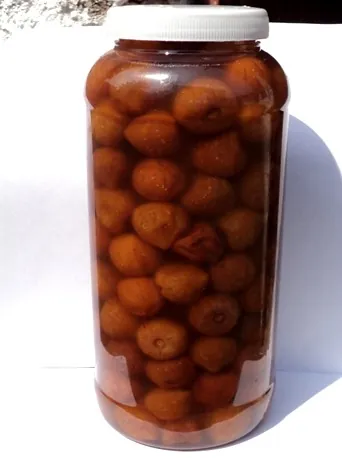
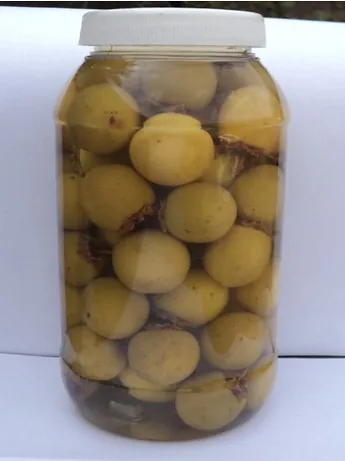
Names change across its range, too. In Belize it is craboo; in Brazil, murici. Bottles and freezer packs in the United States sometimes call it Yellow Cherries.
Where it comes from
Nance grows wild from southern Mexico down the Pacific side of Central America to Peru and Brazil. It belongs to open pine forests and grassy savannas, and also grows on Caribbean islands including Cuba and Puerto Rico.
Some trees are grown for their fruit in Mexico and parts of Central America. It travelled farther afield to the Philippines in 1918.
How it's eaten where it grows
In Panama, pesada de nance turns the fruit into a smooth pudding. The pulp is pressed through a strainer to leave the stones behind, then cooked with water, sugar and cornstarch. It is served warm or cold with crumbled salty queso fresco on top. Pineapple or passion-fruit juice can sharpen a batch made with less tart fruit.
Nance also goes into fermented drinks called chicha. In Costa Rica, it becomes a distilled, rum-like drink called Crema de nance. The fruit also goes into soups and stuffings for meat.
How it's grown
The plant is a slow-growing large shrub or tree that can reach 10 m (33 ft). It tolerates drought and grows on rocky ground as well as sandy soils. Fully ripe nances fall to the ground, and the fruit spoils quickly after harvest.
When and where you'll find it
In Mexico, nance usually reaches markets in September and October. In the United States, frozen fruit and bottled nance are ways to try it beyond the harvest. Yellow Cherries is one label; Goya also makes nance in syrup under the name Changungas.
Get it near Detroit
What it tastes like
As mild as a peach, softer than a pear≈
More about the taste
Nance has a conspicuous aroma and juicy, somewhat oily pulp. Flavor ranges from mild or sweet to acidic and cheese-like, depending on the tree.
Nance has a conspicuous aroma and juicy, somewhat oily pulp. Flavor ranges from mild or sweet to acidic and cheese-like, depending on the tree.
How to buy it
1EatPulp · not hard stone, bark
Eat
PulpNot eaten
Hard stoneBarkNance is eaten raw, cooked into desserts, used in savory dishes and made into beverages. The pulp surrounds a hard stone; the bark's medicinal uses aren't food guidance.
Detroit, Michigan
When it’s good hereUsual monthsJust arrivedAt their bestLast chanceAll yearWhere it is in its usual monthsToday, Oct 22Grown hereIn season in your stateShips fromIn season where it grows
1 growing area, 1 countryUsual monthsToday, Oct 22

- Pará
- You
1 of 1 areas · October
Nance is fermented into drinks known regionally as chicha, and distilled into a nance liquor in Costa Rica — both distinct from the carbonated nance beverages also made. Across tropical America, it comes mostly from wild stands and local gathering rather than orchards.
30 names in 6 languages
Cook it
Strange but trueHistoryScienceWhere the name came fromFood and drink
If you like Nance
Tastes alike
Same plant family
Used the same way
Sources
Photos · 4
Sources
Nance · Fruitopia · checked Sep 22, 2026