Christ's thorn fruit
Also called Christ's thornZiziphus spina-christi · Rhamnaceae family
A small dryland Ziziphus fruit, distinct from the better-known cultivated jujube.
Find it near DetroitGet to know it
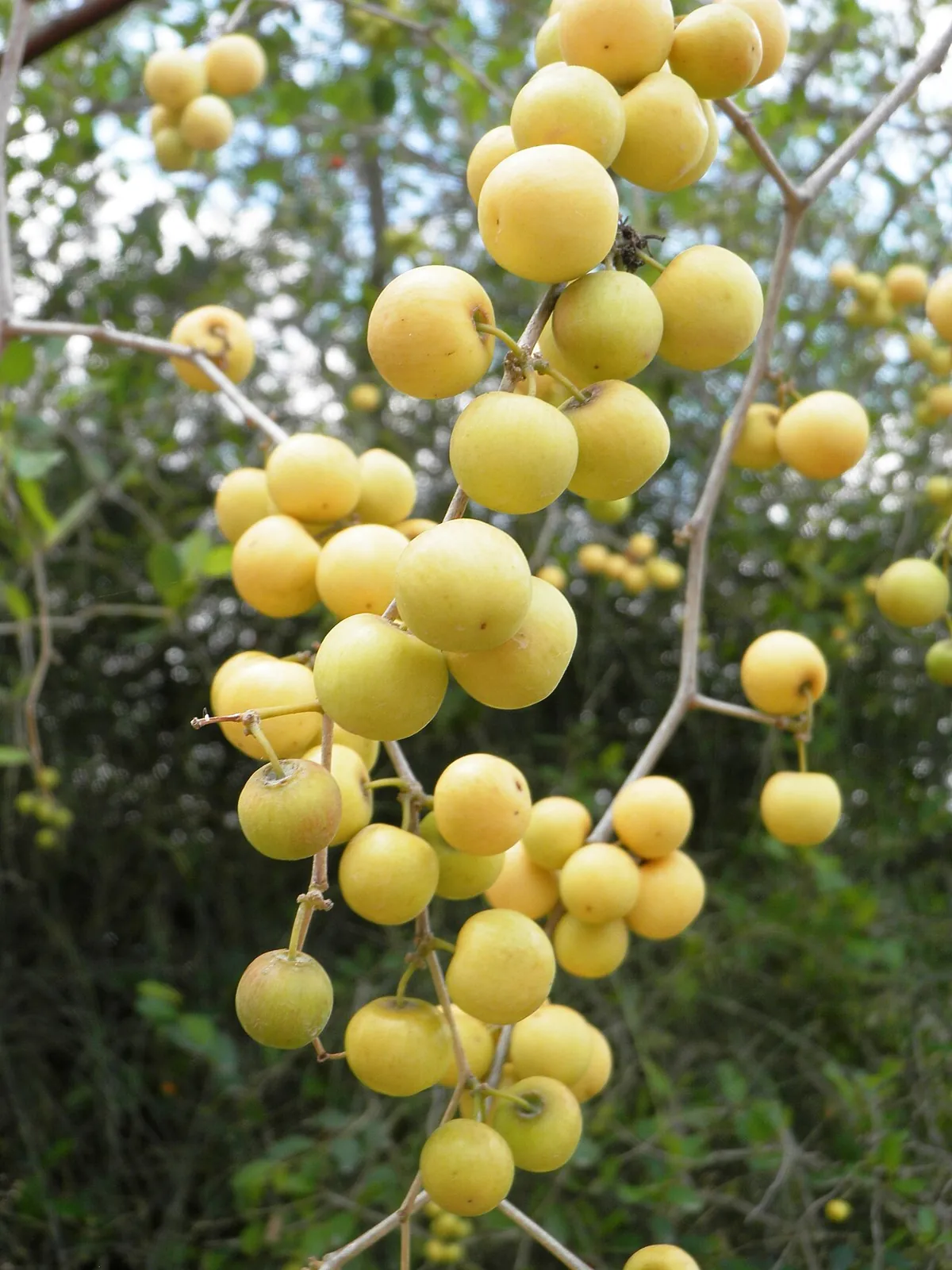
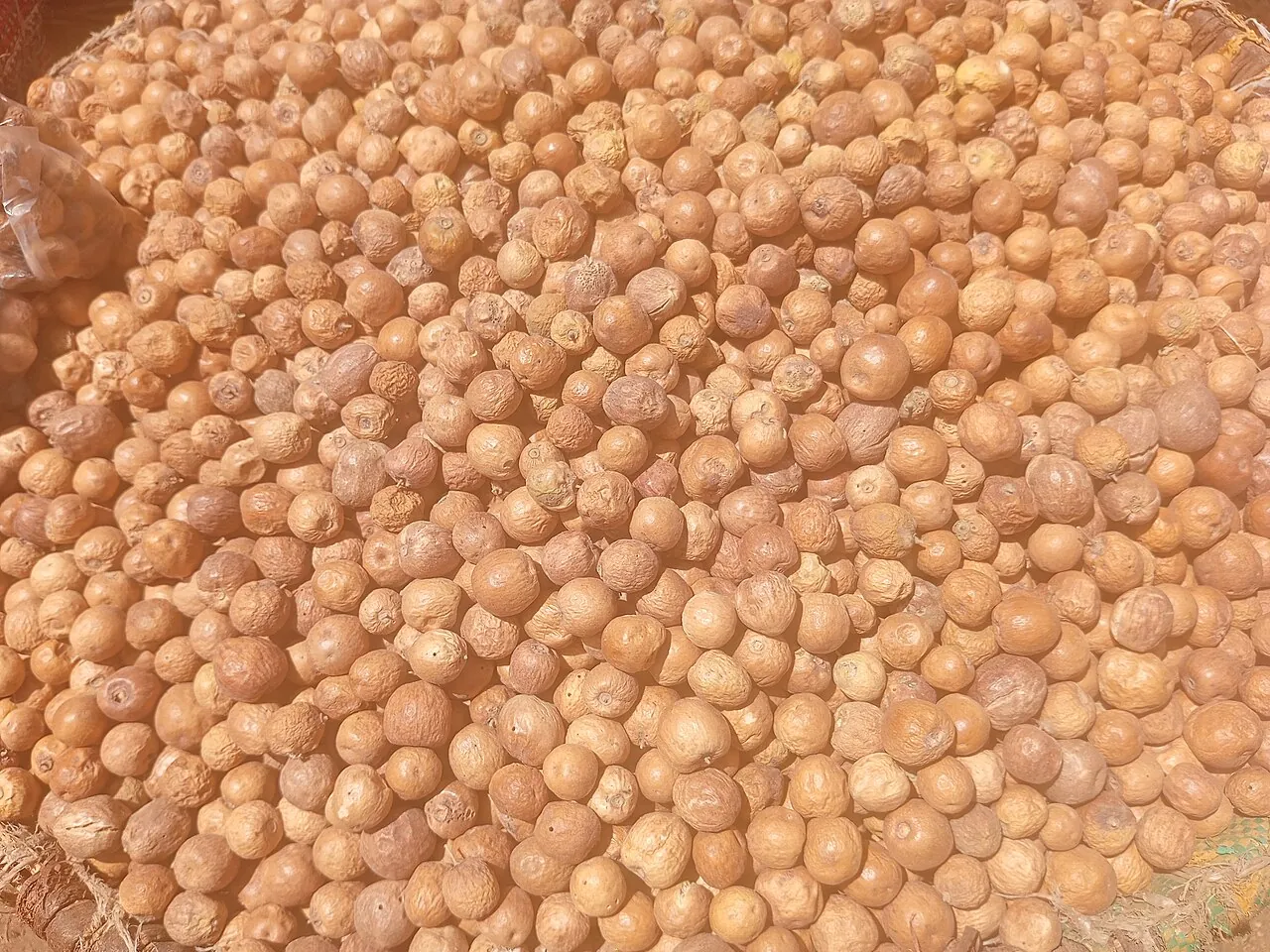
Christ’s thorn fruit is a small, round fruit that ripens from yellow to red, with flesh around a hard stone. Sometimes sweet, it is eaten fresh or dried. In Bedouin food traditions, the dried fruit also becomes a thick paste used as bread.
What it is
Ziziphus spina-christi belongs to the buckthorn family. The fruit measures about 1–2 cm (0.4–0.8 in) across and is known in Egypt as nabaq or sidr. The flesh is the edible part around the stone. It starts out woolly and ripens from yellow to red. It can be eaten fresh, dried or cooked.
Where it comes from
Its native range stretches across Africa from Mauritania through the Sahara and Sahel to the Red Sea. It grows in wooded grasslands, beside rivers and around cultivated land, with a range extending into Arabia. In Israel it grows in valleys and lowlands, where it has long been a fruit tree in local food traditions.
How it's eaten where it grows
In the Levant, Arab and Bedouin communities eat the fruit both fresh and dried. Bedouins keep dried fruit for winter and turn it into a thick paste eaten as bread. Fruit bread also has an Egyptian history stretching from ancient Egypt into village kitchens of the early twentieth century.
How it's grown
The tree tolerates heat and drought, yet favours riverbanks and wadis, dry channels where underground water remains within reach. Its main root grows deep into the ground. In Ethiopia it can reach 10 m (33 ft), keeping its leaves on wet sites and losing them during a long dry season.
Growers raise it from seedlings or cuttings. Around villages it gives shade, and in West Africa it shares fields with millet.
When and where you'll find it
Local produce markets are one route to the fresh fruit in Egypt: ripe nabaq was sold in Alexandria during the 2024 harvest. Dried fruit lasts longer: Bedouin households keep it for winter. In Egypt the fruit goes by nabaq or sidr.
Sources · 4
- Dafni, Levy and Lev, Journal of Ethnobiology and Ethnomedicine (2005)pmc.ncbi.nlm.nih.gov
- Scientific Reports, Nabaq fruit powder and bakery products (2025)nature.com
- World Agroforestry, Agroforestree Database (2009)apps.worldagroforestry.org
- World Agroforestry, Useful Trees and Shrubs of Ethiopiaapps.worldagroforestry.org
Get it near Detroit
What it tastes like
As mild as a peach, softer than a pear≈
More about the taste
Christ's thorn fruit is sometimes sweet, generally milder than domesticated Ziziphus jujube crops.
Christ's thorn fruit is sometimes sweet, generally milder than domesticated Ziziphus jujube crops.
Choose, eat
1ChooseYellow to red color
Look for
- Yellow to red color
Fruit changes from yellow to red as it ripens, with flesh around a hard stone.
2EatPulp · not seed
Eat
PulpNot eaten
SeedThe pulp is separated from the seed, then dried and milled into a deseeded fruit powder used in baking.
Detroit, Michigan
When it’s good hereUsual monthsJust arrivedAt their bestLast chanceAll yearWhere it is in its usual monthsToday, Oct 22Grown hereIn season in your stateShips fromIn season where it grows
10 names in 6 languages
- 가시갯대추나무Korean
Cook it
Strange but trueHistoryA myth, and the truthCustoms and cultureA record
If you like Christ's thorn fruit
Tastes alike
Close relatives
Same plant family
Sources
Sources
Christ's thorn fruit · Fruitopia · checked Sep 22, 2026