Calamansi
Also called Calamondin · Philippine limeCitrus × microcarpa · Rutaceae family
A small citrus with a forceful acidic juice, useful as a seasoning as well as a drink ingredient.
Find it near DetroitGet to know it
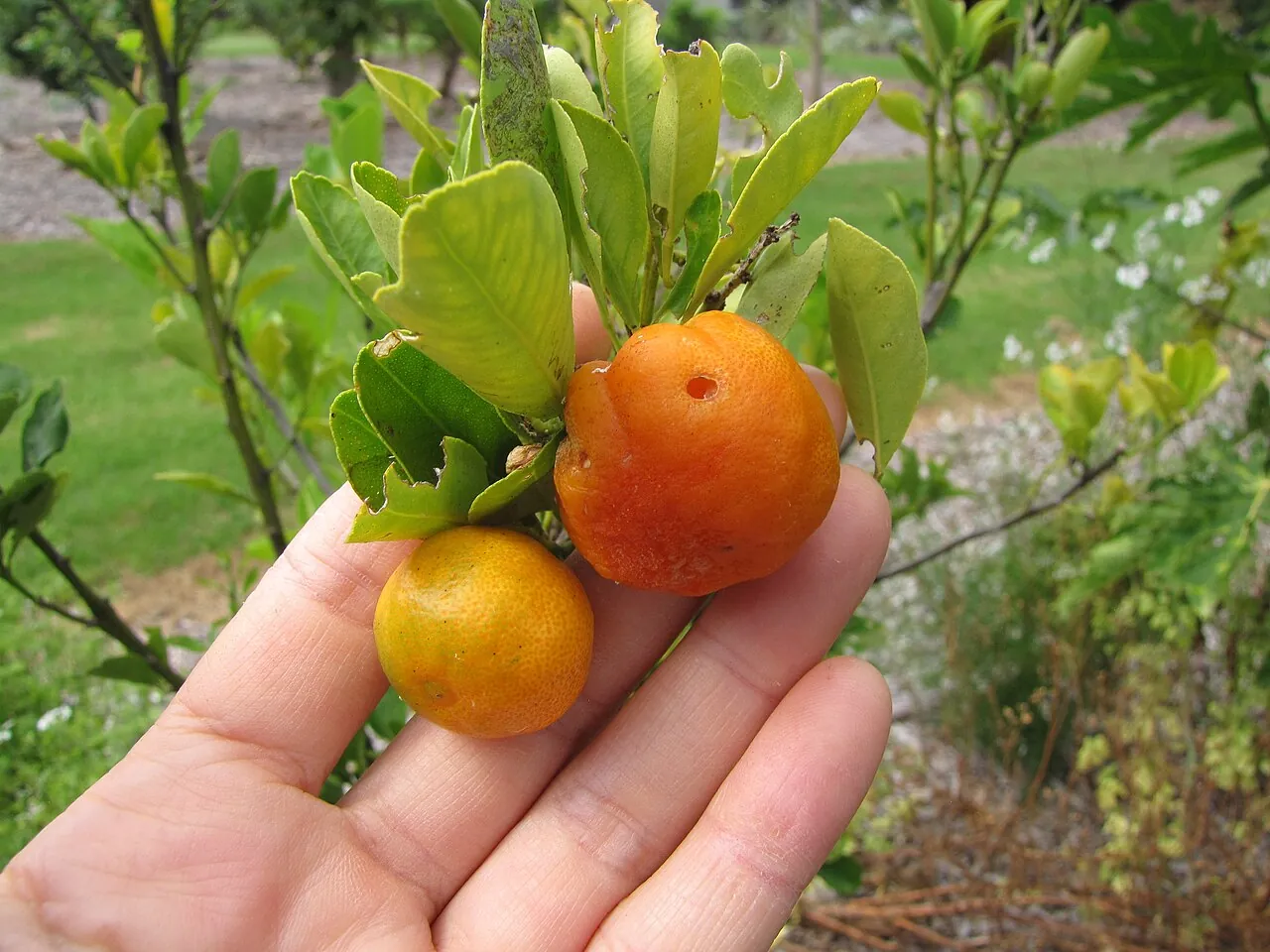
Calamansi looks like a tiny orange and gives a sharp, fragrant squeeze. In the Philippines, its juice seasons beef, makes a soy-sauce dip and becomes a cold drink with sugar and water. Even an orange-skinned fruit has sour flesh.
What it is
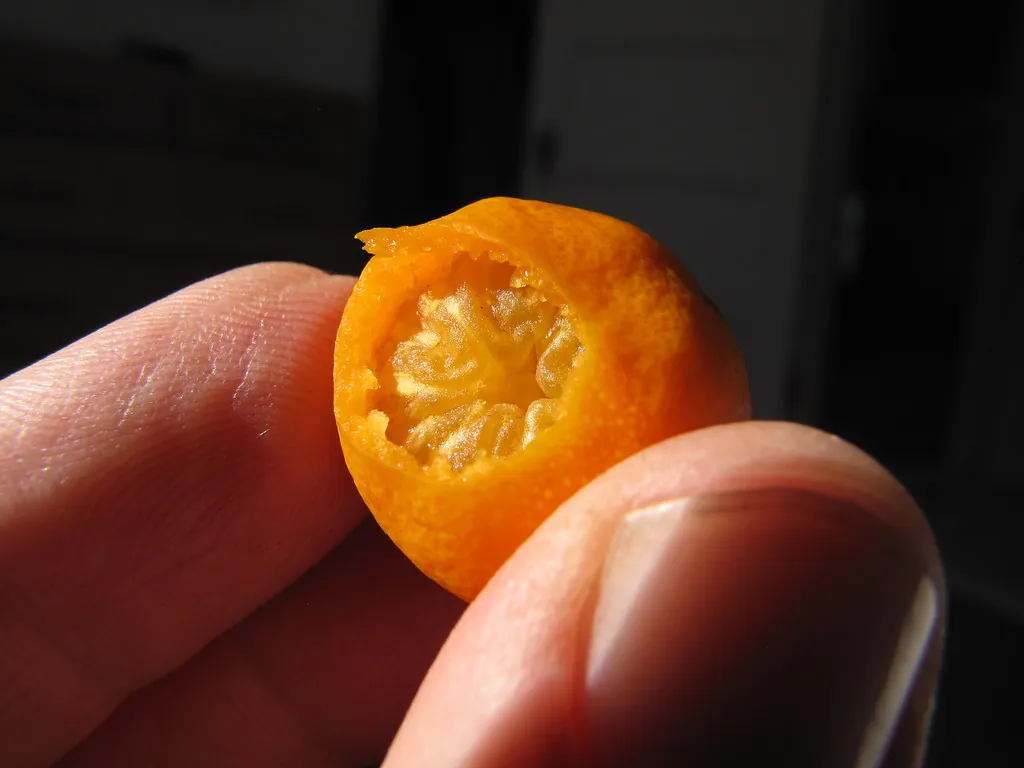
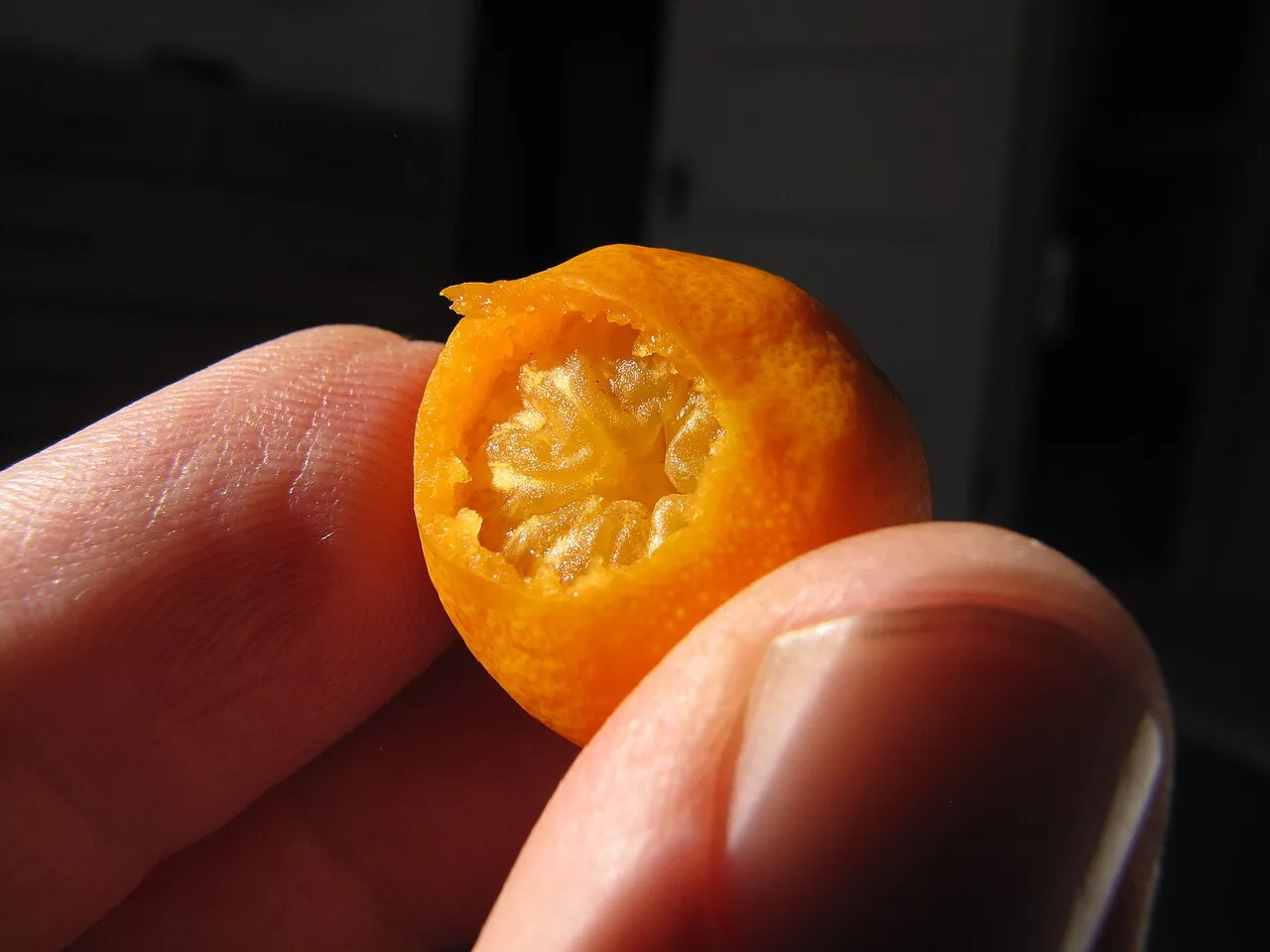
Also called calamondin or Philippine lime, calamansi is Citrus × microcarpa. Each fruit is about 2.5–3.8 cm (1–1½ in) across, with a thin, smooth rind that ranges from greenish to orange at ripeness. Inside is juicy orange flesh and a few seeds.
The peel is sweet and edible. The juice carries the sharpness, which is why this little citrus works as a seasoning even when it looks like a sweet orange.
Where it comes from
Calamansi has been grown in the Philippines for centuries, in home gardens as well as commercial orchards. It also grows in India, Malaysia and other parts of southern Asia.
David Fairchild brought it to Florida from Panama in 1899. In the US it also became a garden and patio plant, grown for decoration in gardens and containers.
How it's eaten where it grows
In the Philippines, bistek Tagalog is thinly sliced beef braised with calamansi juice, soy sauce, onions, garlic and pepper, then served with steamed rice. Toyomansi combines soy sauce, or toyo, with calamansi. It is a dip for grilled or fried meat and seafood, and also works as a marinade.
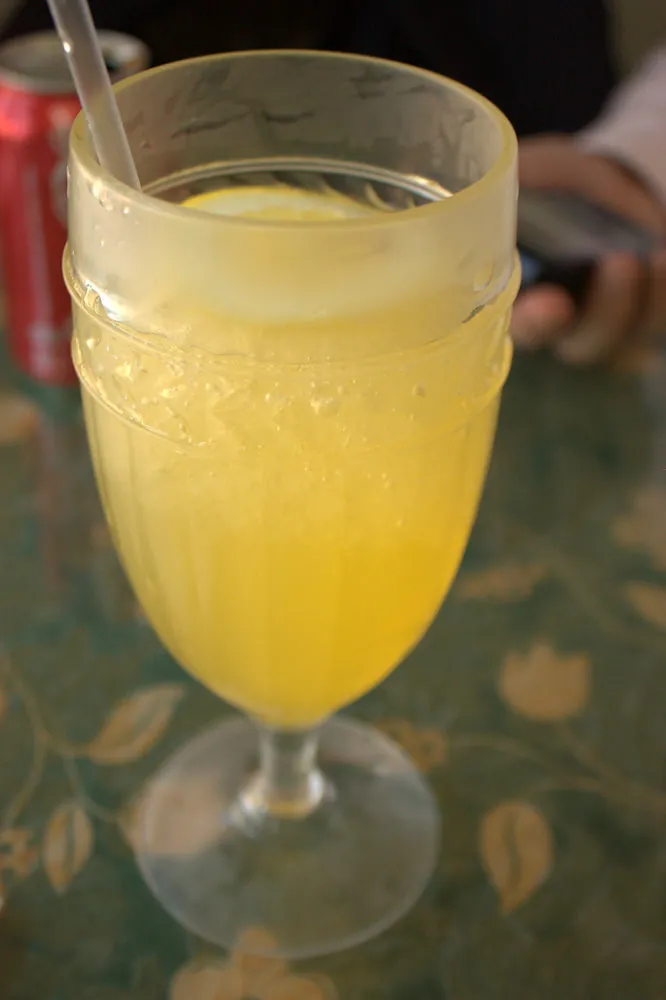
For a calamansi drink, the squeezed juice is mixed with water and a syrup of equal parts sugar and water, then chilled or poured over ice. The same fruit supplies both the sour part of dinner and the drink alongside it.
How it's grown
The evergreen tree has fragrant leaves and white flowers. It grows well in a large pot in a sunny spot, with some afternoon shade. A well-tended potted tree can bear a crop at two years.
Its flowers can set fruit without pollen from another tree. Flowers and fruit develop in batches through the year, and growers harvest by clipping the stems.
When and where you'll find it
In Oriental Mindoro in the Philippines, production usually peaks from July to November. Fresh fruits are sold in Philippine wet markets and groceries. In the US, fresh calamansi reaches Asian and Filipino groceries, and the juice also travels frozen or as concentrate.
Calamansi juice also comes in bottles. Sun Tropics makes an unsweetened version that is not from concentrate. Fresh fruit keeps poorly and is best used within a week of picking.
Sources · 7
- Lalaine Manalo, Kawaling Pinoykawalingpinoy.comOther pages23
- Morton, Fruits of Warm Climates (1987)hort.purdue.edu
- Philippine Department of Agricultureprdp.da.gov.ph
- Sun Tropicssuntropics.com
- University of California, Riverside Citrus Variety Collectioncitrusvariety.ucr.edu
- University of Florida IFASblogs.ifas.ufl.edu
- University of Santo Tomasust.edu.ph
Get it near Detroit
What it tastes like
Tarter than a grapefruit, sweeter than a lemon≈
More about the taste
Calamansi, also called calamondin, is a tart little citrus — quite sour, and especially useful for flavoring food and drinks.
The juice is highly aromatic and very tart; a bright orange rind doesn’t mean sweeter juice.
Choose, ripen, store, eat
1ChooseThin, smooth rind
Look for
- Thin, smooth rind
The rind is thin and smooth, ranging from greenish to orange at maturity.
2RipenCalamansi is characteristically tart even when ripe
Calamansi is characteristically tart even when ripe.
3StoreUse calamansi within a week of harvest
Use calamansi within a week of harvest; it doesn’t store well.
4EatJuice, Whole fruit
Eat
JuiceWhole fruitThe juice is widely used, and the whole fruit is also used in cooking.
Detroit, Michigan
When it’s good hereUsual monthsJust arrivedAt their bestLast chanceAll yearWhere it is in its usual monthsToday, Oct 22Grown hereIn season in your stateShips fromIn season where it grows
Cook it
1 Calamansi festivalUsual monthToday, Oct 22
Strange but trueHistoryScienceNatureWhere the name came fromCustoms and cultureFood and drink
If you like Calamansi
Close relatives
Sources
Photos · 4
Sources
Calamansi · Fruitopia · checked Sep 22, 2026