African star apple
Also called White star appleChrysophyllum albidum · Sapotaceae family
A West African fruit with both sweet and sour forms, long grown in village agroforestry.
Find it near DetroitGet to know it
African star apple is a juicy West African fruit that can be sweet, sour or both in the same mouthful. Beneath its orange or yellow skin, creamy pulp coats five glossy brown seeds arranged like a star.
What it is
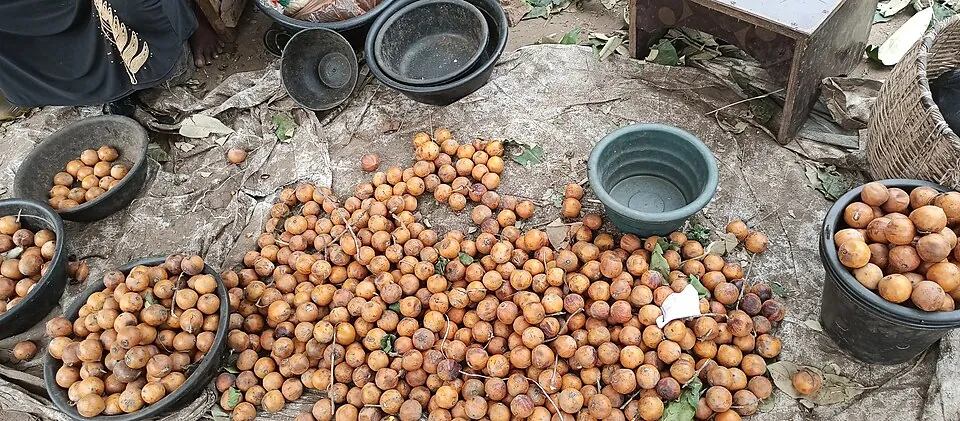
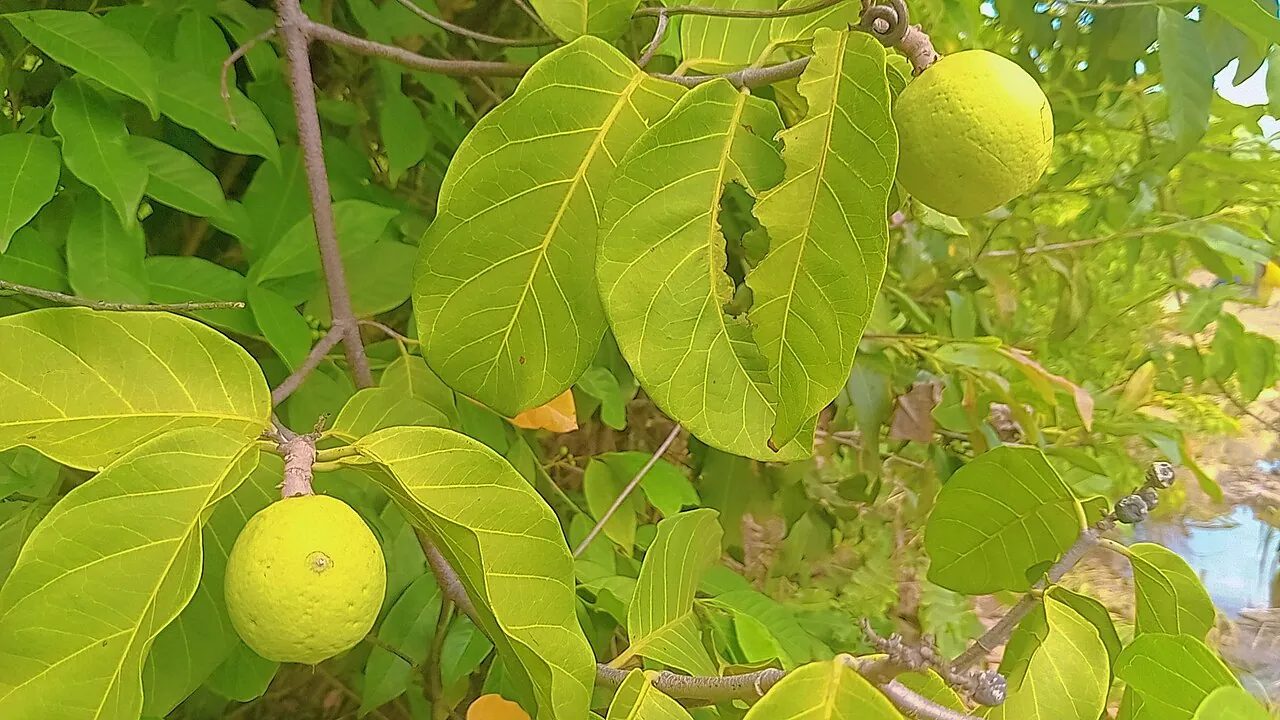
The fruit is almost round, with a little point at its tip, and measures about 3.2 cm (1¼ in) across. Ripe skin ranges from yellow to orange-red or yellow-brown. Inside, orange-red flesh surrounds seeds wrapped in a separate layer of creamy pulp. Some fruit tastes very sweet, some sour.
Where it comes from
African star apple grows in tropical Africa, from the west across to Kenya's Kakamega forest. In southern Benin, it grows among farm crops and in surviving patches of forest. In Nigeria, its name changes as you travel: agbalumo in the southwest, udara in the southeast.
How it's eaten where it grows
In southern Nigeria, eating agbalumo is a hands-on snack. Pressing the fruit opens it; squeezing the base pushes the seeds up so the creamy pulp can be sucked or nibbled off. The orange flesh is eaten too.
It can also become agbalumo ice cream: in one Nigerian recipe, thawed flesh is blended with water and sugar, then folded into whipped cream with vanilla and frozen. The same fruit that makes a sharp snack becomes a sweet, creamy dessert.
How it's grown
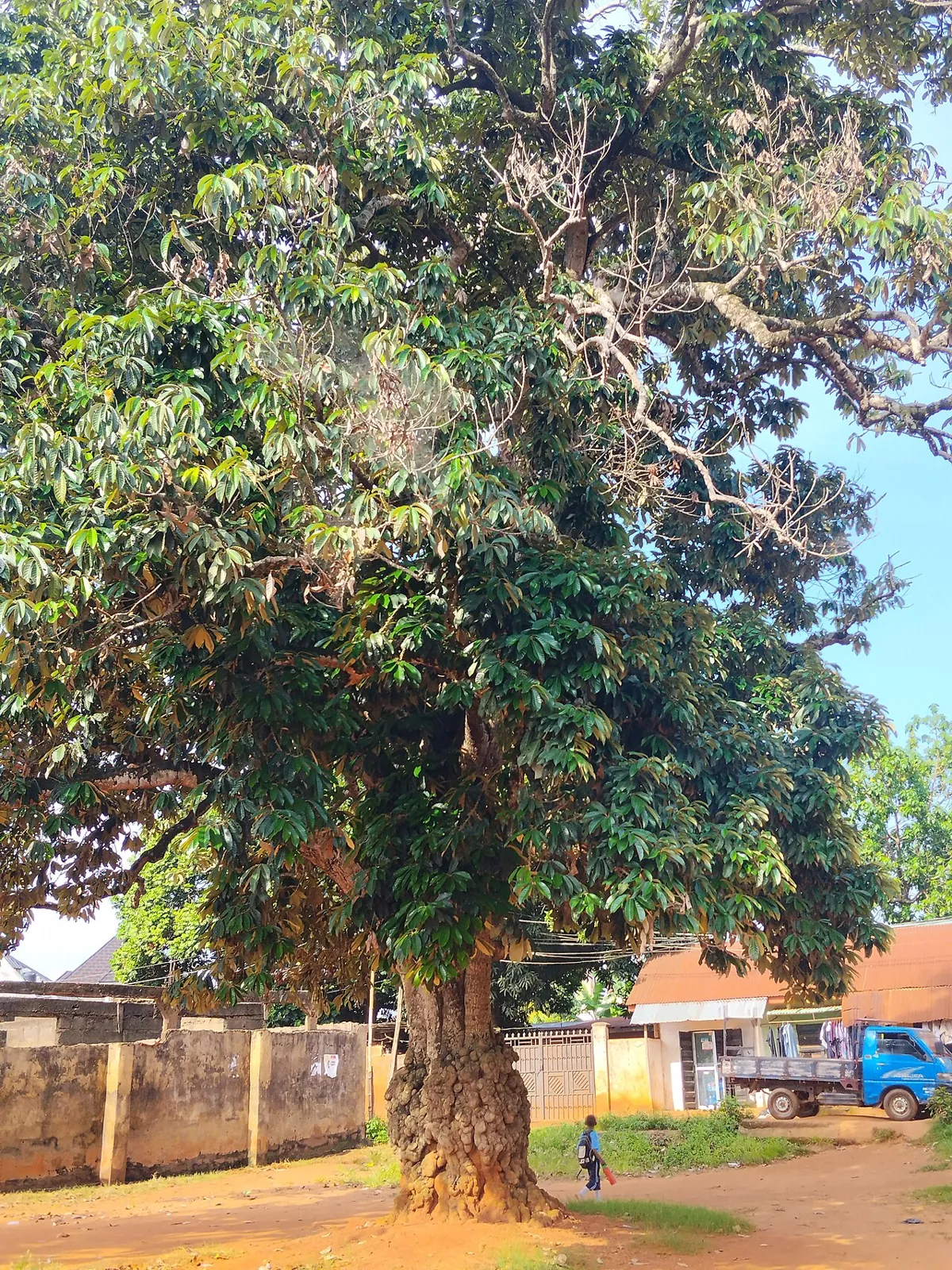
This forest tree can reach 25–37 m (82–121 ft). Young seedlings need shade while they establish. On southern Benin's Allada plateau, owners rarely cut the trees for firewood, keeping them for their fruit and leaving them standing within the farm landscape.
When and where you'll find it
In southern Nigeria, the fruit is usually common in towns and villages from December through April. Beyond West Africa, African grocers sell it as whole fresh fruit in season. Niyis, an African supermarket in Reading, England, lists it in 500 g packs under the names agbalumo and udara.
Get it near Detroit
What it tastes like
As sweet as a banana, crisper than a blueberry≈
More about the taste
In Benin, yellow-skinned fruit tends to taste sweeter and green-yellow skins sourer, but sweetness varies from tree to tree.
The yellowish pulp is pleasantly acidic. Depending on the tree, fruit can be very sweet or sour.
Yellow-skinned fruit is often sweeter; green-yellow skin often means a sourer pulp.
Choose, eat
1ChooseSkin color
Ignore
- Skin color
Ripe skin color varies by tree, so ask the seller about the particular tree or selection.
2EatFleshy pulp · not seeds, bark, leaves
Eat
Fleshy pulpNot eaten
SeedsBarkLeavesEat the fleshy pulp. Seeds, bark and leaves are used medicinally in some traditions, not as food.
Detroit, Michigan
When it’s good hereUsual monthsJust arrivedAt their bestLast chanceAll yearWhere it is in its usual monthsToday, Oct 22Grown hereIn season in your stateShips fromIn season where it grows
6 names in 5 languages
- agbalumoYoruba
- azongogweroot
- 白星果Chinese
Cook it
If you like African star apple
Tastes alike
Close relatives
Used the same way
Sources
Sources
African star apple · Fruitopia · checked Sep 22, 2026
- apps.worldagroforestry.org
- funke-koleosho.blogspot.com
- kitchenbutterfly.com
- link.springer.com
- nihort.gov.ng
- niyis.co.uk
What we don't know yet
In southern Nigeria, the season is usually December–April, though one calendar extends it to May.