Cholupa
Also called Conch applePassiflora maliformis · Passifloraceae family
A Passiflora fruit with aromatic pulp and an emerging Brazilian breeding story.
Find it near DetroitGet to know it
Cholupa, or sweet calabash, is a passionfruit with a hard shell and fragrant, sweet-tart pulp full of crunchy seeds. In Colombia, that pulp becomes jugo de cholupa, a fruit drink, or granizado, its icy, blended cousin.
What it is
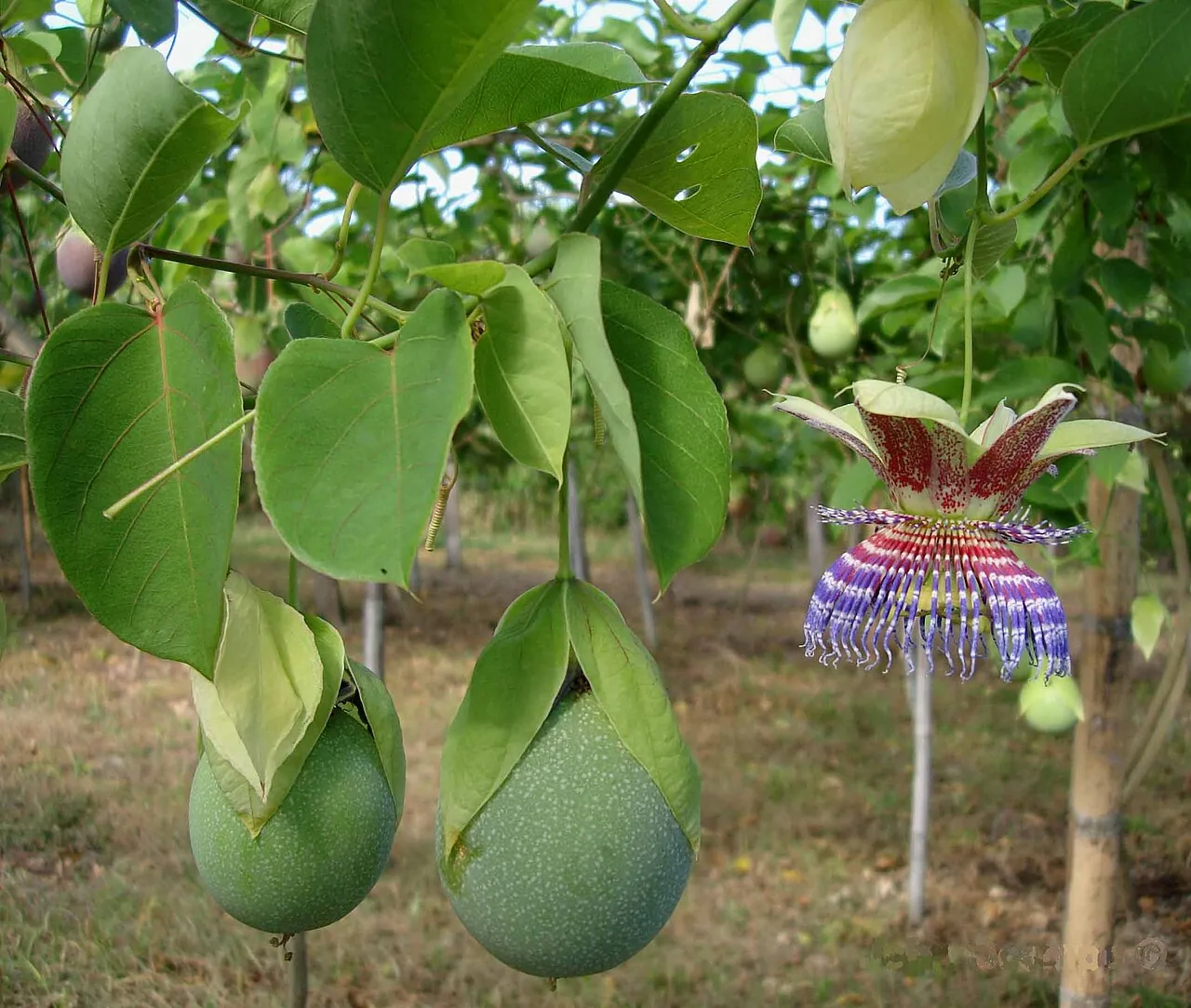
Colombia's Cholupa del Huila is round to oval and measures 5–9 cm (2–3½ in) across. Inside the thick, hard shell, translucent pulp surrounds the seeds. In Huila, the fruit does not change colour as it ripens.
Brazil's BRS Maçã variety has green fruit with yellow pulp, sweet with a little acidity.
Where it comes from
Passiflora maliformis grows wild in the Caribbean, including Puerto Rico and Jamaica, and in northern South America, including Colombia and northern Ecuador. Cholupa is its Colombian name.
In Brazil, the BRS Maçã variety was released in 2026. Its breeding aimed at larger fruit, a thinner shell and more pulp.
How it's eaten where it grows
In Colombia, jugo de cholupa blends the pulp with water and sugar. For granizado de cholupa, some of the water gives way to ice cubes, turning the drink into a slush.
Tarta mousse helada de cholupa is a frozen tart. Its base is crushed chocolate biscuits mixed with butter; the filling combines cholupa pulp, condensed milk and cream. It is frozen, then cut into portions.
How it's grown
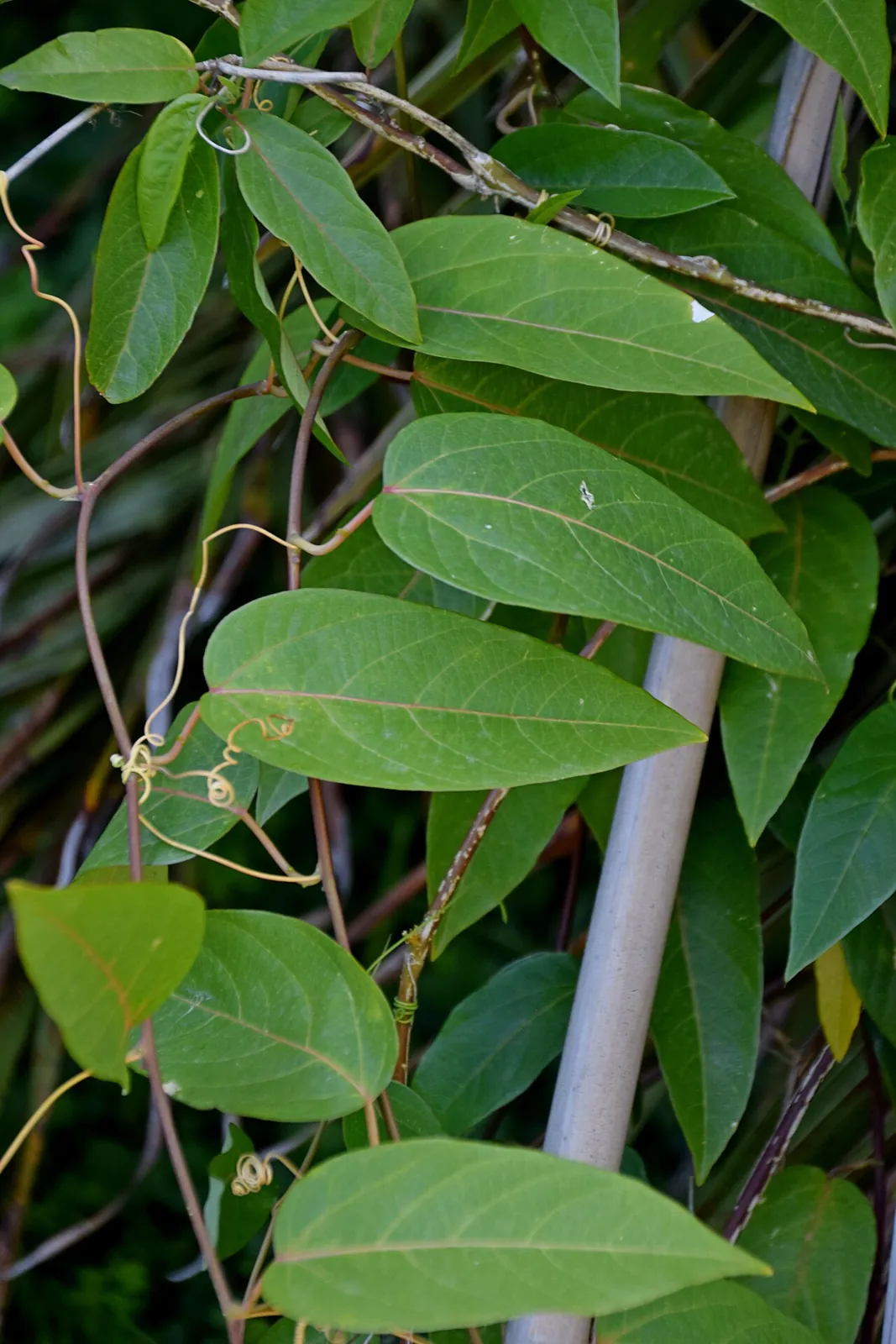
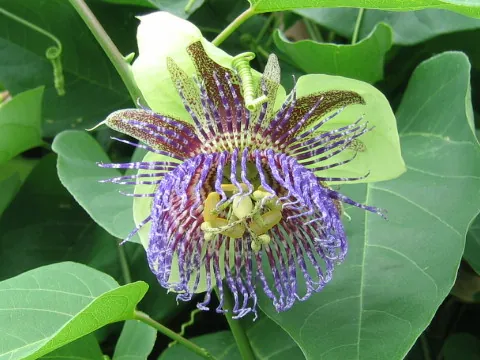
Cholupa grows on a woody vine that can climb 10 m (33 ft) or more, holding on with tendrils. In Huila, the fruit takes about 50–60 days from an open flower to maturity. Ripeness is judged by the fruit separating above the bracts that support it, rather than by a change in colour.
When and where you'll find it
In Huila, Colombia, production continues throughout the year, with larger harvests usually from October through January and again in April and May. A Colombian online fruit seller, Trasaf, lists whole Cholupa Huilense. The fruit also travels as frozen pulp: LatinFoods processes Huila cholupa into packaged pulp for drinks and desserts.
Sources · 7
- Embrapaembrapa.br
- Embrapa — Espécies de maracujazeiroinfoteca.cnptia.embrapa.br
- LatinFoods Colombialatinfoods.coOther pages2
- Morton, Fruits of Warm Climates (1987)hort.purdue.edu
- Revista Colombiana de Ciencias Hortícolasscielo.org.co
- Superintendencia de Industria y Comercio, Colombiasic.gov.co
- Trasaf Colombiatrasaf.com
Get it near Detroit
Sell fruit online? Add your business
What it tastes like
The BRS Maçã variety has green fruit with yellow, sweet pulp, slight acidity and a pronounced aroma. Wild or seedling sweet calabash may differ.
The BRS Maçã variety has green fruit with yellow, sweet pulp, slight acidity and a pronounced aroma. Wild or seedling sweet calabash may differ.
Choose, eat
1ChooseSeparates naturally above bracts
Look for
- Separates naturally above bracts
Ignore
- Shell color change
Don't wait for cholupa's shell to change color the way other passion fruit does: mature fruit can stay green. Growers in Huila, Colombia judge ripeness instead by the fruit separating naturally above its supporting bracts, so it's worth asking the grower how the fruit was picked.
2EatFresh pulp · not hard shell
Eat
Fresh pulpNot eaten
Hard shellEat the fresh pulp, or use it in processed products; in Colombia it's also made into juice. The hard shell is not eaten.
More tips
Worth knowing
- Skin color says little about cholupa maturity, so ask the grower or seller how the fruit was harvested.
Detroit, Michigan
When it’s good here
Season not documented for Michigan.
1 variety
Cook it
Strange but trueWhere the name came fromCustoms and culture
Sources
Photos · 3
Sources
Cholupa · Fruitopia · checked Sep 22, 2026
- embrapa.br /busca-de-solucoes-tecnologicas/-/produto-servico/12275/maracuja-silvestre-brs-maca-brs-mmc1
- latinfoods.co /recetas
- scielo.org.co /scielo.php?pid=S2011-21732020000100032&script=sci_arttext
- trasaf.com /tienda/fruta-fresca/cholupa-huilense/
- ve.scielo.org /scielo.php?pid=S1316-33612016000100001&script=sci_abstract&tlng=en