Mountain soursop
Also called False graviola · Wild soursopAnnona montana · Annonaceae family
A little-known Annona relative, better known through its genome than through its kitchen use.
Find it near DetroitGet to know it
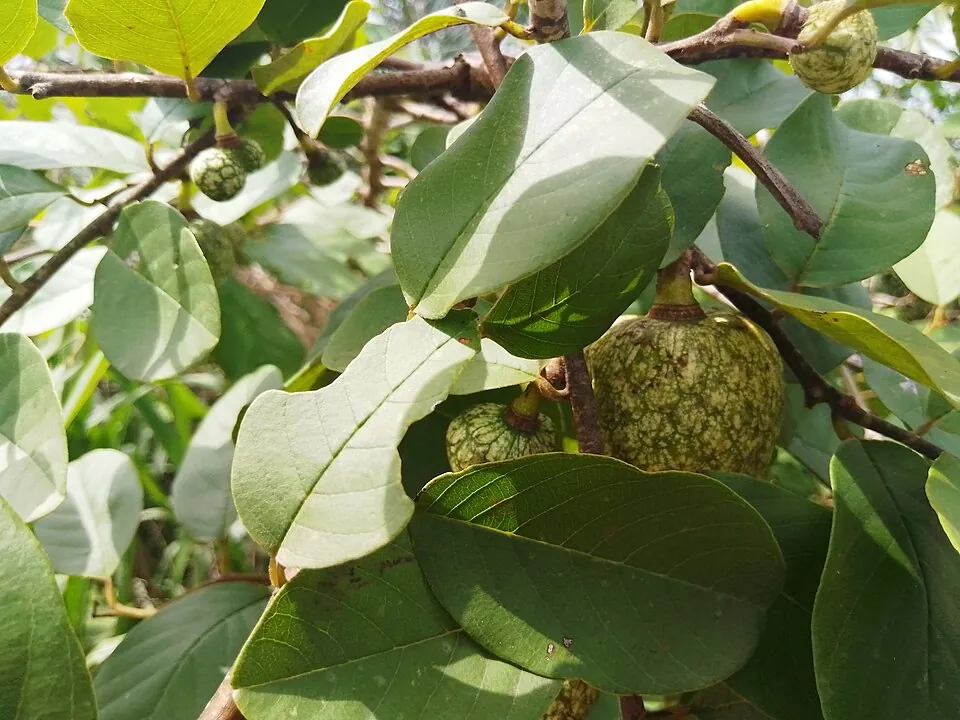
Mountain soursop is a green, soft-spined fruit with a strong aroma and pale, fibrous flesh. This is Annona montana, a relative of common soursop whose slightly sour pulp can be eaten fresh or made into juice.
What it is
The round or oval fruit has short, soft spines on green skin. Inside are many light-brown seeds and pale yellowish flesh with a slippery, fibrous texture. The skin can lighten as it ripens. Flavour varies from tree to tree: most seedlings give less appealing fruit than common soursop, though some are pleasant.
Where it comes from
Mountain soursop grows wild through the Caribbean and south into Peru and Brazil. Despite its name, wild trees grow from sea level up to about 650 m (2,100 ft). It has travelled to the Philippines and is grown, rarely, in Florida. Its relatives include sugar apple, cherimoya and common soursop.
How it's eaten where it grows
In Brazil, the firm core just below the fruit’s stalk is pulled out and eaten as a small snack. The flesh can also be eaten fresh or made into juice. Some fruit tastes sour and bitter, with a strong smell and plenty of fibres in the flesh.
How it's grown
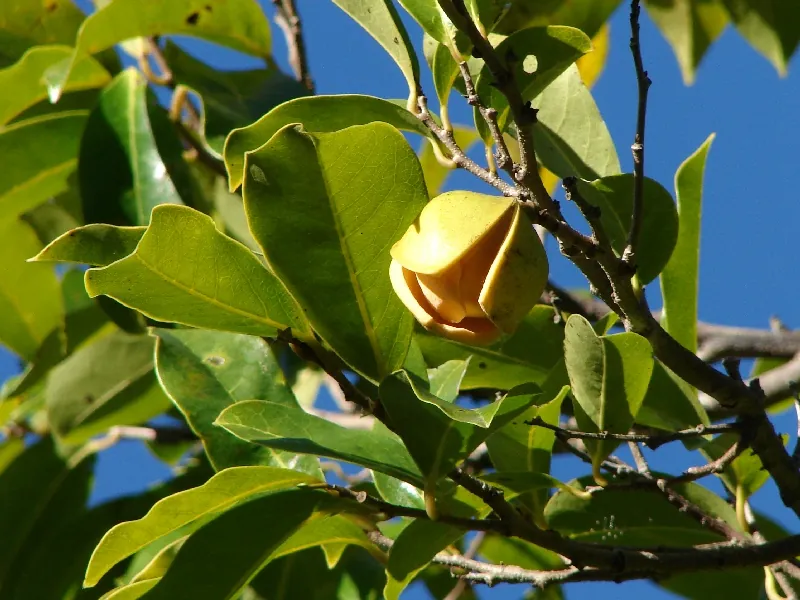
The spreading tree reaches about 4–8 m (13–26 ft), keeping its leaves in warm places and losing some in cooler weather. It can start bearing at three or four years old. Full sun suits it; heavy shade cuts the crop. Night-flying scarab beetles pollinate the flowers, which produce their own heat.
Mountain soursop also supplies roots for grafted common soursop trees, helping them tolerate more cold.
When and where you'll find it
In its native range, the fruit comes from wild trees rather than orchards, and the tree bears more or less year-round. The fruit becomes very soft when ripe and can fall from the tree. Once ripe, it keeps for only a short time.
Get it near Detroit
What it tastes like
Mountain soursop is strongly aromatic, sub-acid and fibrous, with a mucilaginous texture. Most seedling fruit taste less appealing than ordinary soursop, though some are pleasant.
Choose, eat
1ChooseSkin lightens in color
Look for
- Skin lightens in color
Ignore
- Name soursop
Ripening skin lightens in color, and seedling fruit vary widely. Ask the grower about that particular tree's eating quality.
2EatRipe flesh
Eat
Ripe fleshEat the ripe flesh only. There's no guidance here on preparing the seeds, rind or leaves, and its medicinal uses don't apply to eating the fruit.
Detroit, Michigan
When it’s good hereUsual monthsJust arrivedAt their bestLast chanceAll yearWhere it is in its usual monthsToday, Oct 22Grown hereIn season in your stateShips fromIn season where it grows
9 names in 6 languages
Cook it
Strange but trueNature
Sources
Sources
Mountain soursop · Fruitopia · checked Sep 23, 2026
What we don't know yet
Seedling flavor varies too much for ordinary soursop recipes to transfer directly.