Malabar tamarind
Also called Brindal berry · GambogeGarcinia gummi-gutta · Clusiaceae family
A grooved fruit whose rind becomes a savory ingredient — a different role in cooking from a tamarind pod, despite the shared common name.
Find it near DetroitGet to know it
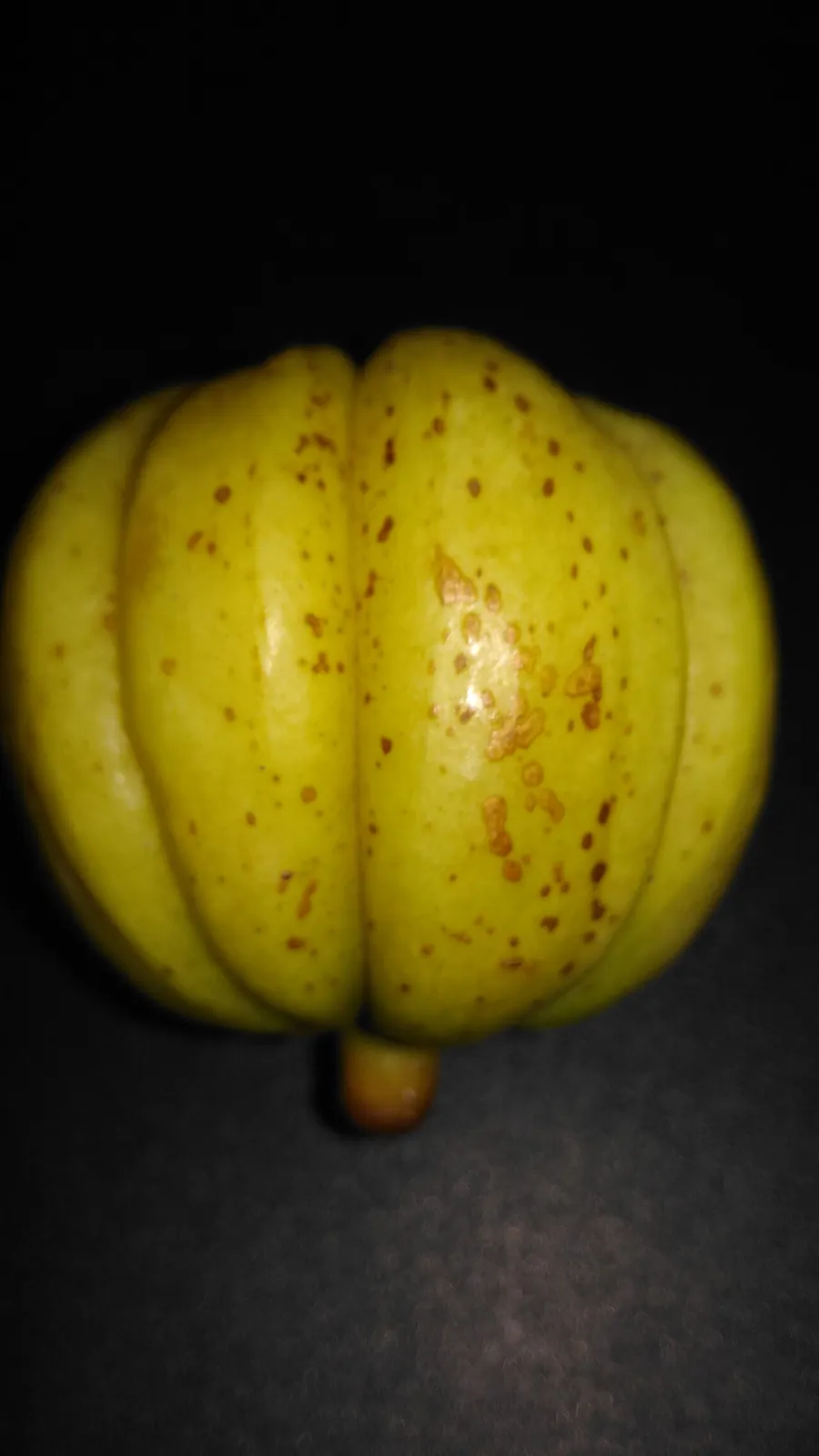
Malabar tamarind looks like a tiny grooved pumpkin, but its kitchen role is souring fish curry. In Kerala, the fruit is called kudampuli: harvested, dried and smoked, it gives the sauce both tang and a deep smoky flavour.
What it is
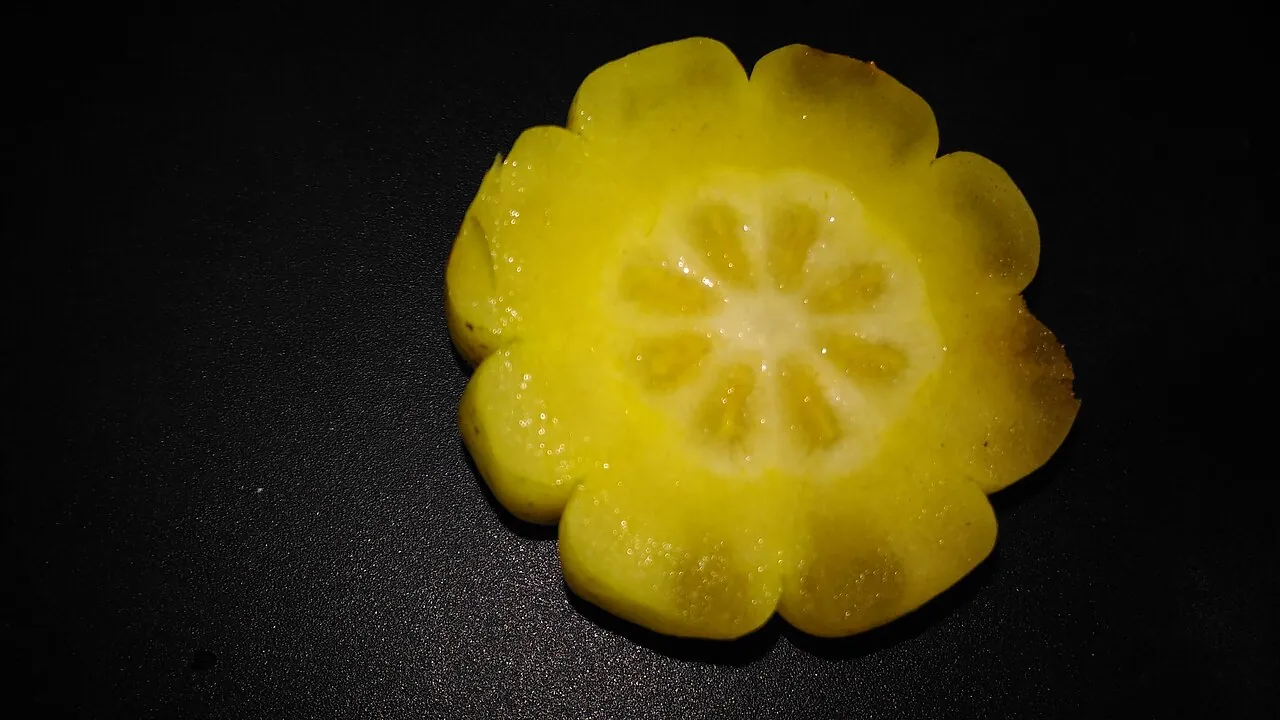
Garcinia gummi-gutta bears oval green fruit about 5 cm (2 in) across, with six to eight grooves. It turns yellow or red as it ripens. Inside are six to eight large seeds, each with a juicy covering, but the ripe rind is the part prepared for fish and prawn dishes.
Where it comes from
The tree grows in the evergreen forests of India’s Western Ghats, including Karnataka and Kerala. It suits both hilltops and plains, and grows best along riverbanks and in valleys. On farms it is planted on its own or as a mixed crop in coconut and arecanut gardens.
How it's eaten where it grows
In Kuttanad, the backwater country of Kerala’s Alappuzha district, kudampuliyitta meen curry takes its sourness from Malabar tamarind. A home-style Kerala fish curry cooks the rind with ground spices, curry leaves and coconut milk.
The dried pieces are rinsed and soaked in hot water, then added to the pot with their soaking liquid, and the fish simmers in this tangy sauce. Plain rice, Kerala matta rice or appam accompany the curry.
How it's grown
The evergreen tree reaches 5–20 m (16–66 ft). A tree grown from seed may take 10–12 years to bear, while a grafted tree can start in its third year. Grafts also keep the mother tree’s traits; when trees are raised from seed, 50–60% turn out male.
When and where you'll find it
In India, flowering usually falls between January and March, with ripe fruit in July. The rind is separated soon after harvest, dried in the sun, then finished over smoke or in an oven.
Indian groceries and online Kerala food shops are places to find the dried cooking ingredient. MyKeralaShop lists kudampuli in 250 g and 500 g packs. Some preparations include salt and coconut oil to soften the rind and help it keep.
Get it near Detroit
What it tastes like
The fruit is a green, grooved berry that turns yellow or red at maturity.
The fruit is a green, grooved berry that turns yellow or red at maturity.
The processed rind is used to flavor fish and prawn dishes.
Choose, ripen, eat
1ChooseMatch the ingredient to its species and form — fresh fruit, processed rind and concentrated extract are not interchangeable
Match the ingredient to its species and form — fresh fruit, processed rind and concentrated extract are not interchangeable.
2RipenMature fruit is picked or allowed to drop, and the rind is separated soon after
Mature fruit is picked or allowed to drop, and the rind is separated soon after.
3EatProcessed rind
Eat
Processed rindThe processed rind of the ripe fruit is the main food part used.
Detroit, Michigan
When it’s good hereUsual monthsJust arrivedAt their bestLast chanceAll yearWhere it is in its usual monthsToday, Oct 22Grown hereIn season in your stateShips fromIn season where it grows
13 names in 9 languages
Cook it
Strange but trueFood and drink
Sources
Sources
Malabar tamarind · Fruitopia · checked Sep 22, 2026