Kokum
Garcinia indica · Clusiaceae family
A Konkan fruit whose sour rind becomes a vivid seasoning, syrup and drink ingredient.
Find it near DetroitGet to know it
Kokum is the sour purple fruit behind solkadhi, the pink coconut-milk drink of India’s Konkan coast. Its dried rind brings tartness and colour to fish curries, while sweetened kokum becomes sharbat. The same fruit supplies both a kitchen souring ingredient and a summer drink.
What it is
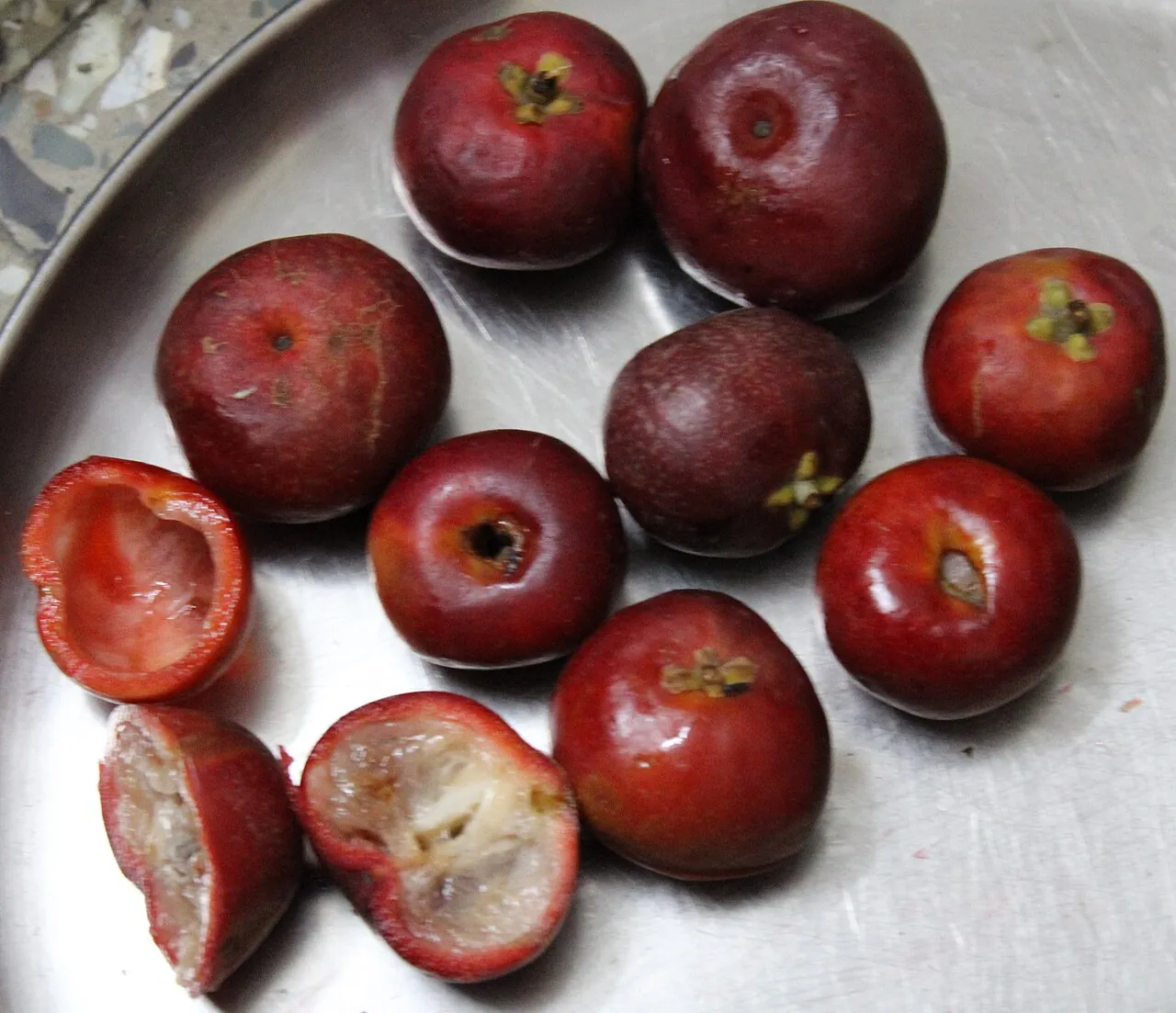
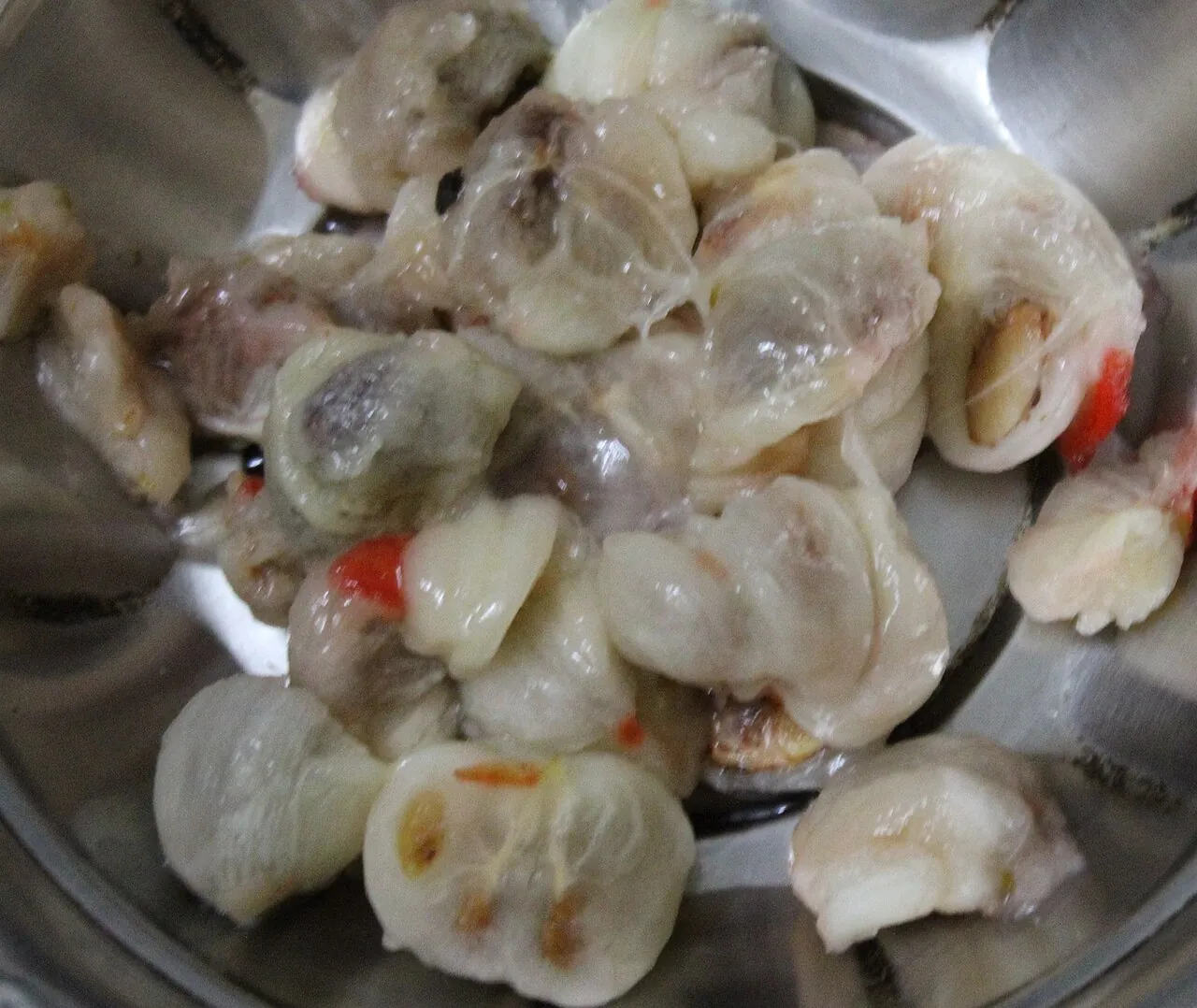
Fresh kokum is a small to medium, round fruit. The ripe skin can be deep purple; inside are several seeds surrounded by sharply acidic pulp. The outer shell is very sour with a mild sweetness, while the pulp inside is even sourer.
Once the outer flesh dries in the sun, it turns into blackish-purple pieces called amsul or aamsol. These have a sour taste and a gently sweet aroma. Dried rind and fresh fruit are two forms of the same ingredient.
Where it comes from
Kokum, Garcinia indica, comes from India’s Western Ghats. It is traditionally grown in home gardens and mixed plantings in Maharashtra, Goa, Karnataka and Kerala. In the Konkan it often grows in home gardens among coconut and arecanut palms, watered by rain. Konkan Amruta and Konkan Hatis are two released varieties.
How it's eaten where it grows
In Goan cooking, solkadhi mixes kokum with coconut milk, spices and herbs. Kokum’s pigments turn the coconut milk a purple-pink, and the drink is served with meals. Dried kokum also gives Goan and Malvani fish and prawn curries their sour edge.
Kokum sharbat takes a sweeter route. Strained fruit is mixed with sugar syrup, then diluted with water to drink. Roasted cumin and cardamom can add spice; both fresh and dried kokum can make the syrup.
How it's grown
Kokum grows in humid tropical conditions. Planting usually begins with the monsoon, and growers use both seedlings and grafted plants. Grafted trees begin bearing in about four to five years; trees raised from seed take about seven to eight. In the Konkan, a fruiting tree can share a garden with coconut and arecanut.
When and where you'll find it
In Goa, fresh kokum usually fruits from April to June. Fresh fruit keeps for only about a week, so much of the harvest is halved, deseeded and dried. In the US, dried kokum comes as a packaged spice: Rani, a US spice company, sells Indian black kokum in 100 g (3.5 oz) packs for curries, dals and drinks.
Get it near Detroit
What it tastes like
Kokum has acidic pulp; its dried rind gives dishes a sweet-sour character and pink-purple color.
Kokum has acidic pulp; its dried rind gives dishes a sweet-sour character and pink-purple color.
Choose, eat
1ChooseSome dried kokum has added salt
Some dried kokum has added salt.
2EatRind · not seeds
Eat
RindNot eaten
SeedsThe rind is used fresh or dried into amsul, syrup, and other ingredients: the fruit is halved, seeds removed, and the rind dried. Kokum butter is an extracted seed fat, a separate processed product from raw seeds.
Detroit, Michigan
When it’s good hereUsual monthsJust arrivedAt their bestLast chanceAll yearWhere it is in its usual monthsToday, Oct 22Grown hereIn season in your stateShips fromIn season where it grows
1 growing area, 1 countryUsual monthsToday, Oct 22

- Maharashtra
- You
Dried kokum rind flavors vegetarian dishes and seafood, and the fruit also becomes solkadhi and kokum syrup. In the Konkan region, it's grown as a rainfed homestead crop, intercropped with coconut and arecanut.
27 names in 12 languages
- 코캄Korean
Cook it
Strange but trueHistoryScienceNatureFood and drink
Sources
Photos · 2
Sources
Kokum · Fruitopia · checked Oct 2, 2026