Jamun
Also called Java plum · Jambolan · JambulSyzygium cumini · Myrtaceae family
Jamun's glossy purple-black fruit can be tart and astringent or much sweeter, making maturity and the particular tree important to the eating experience. Its common name Java plum hides a botanical surprise: it is not a Prunus plum.
Find it near DetroitGet to know it
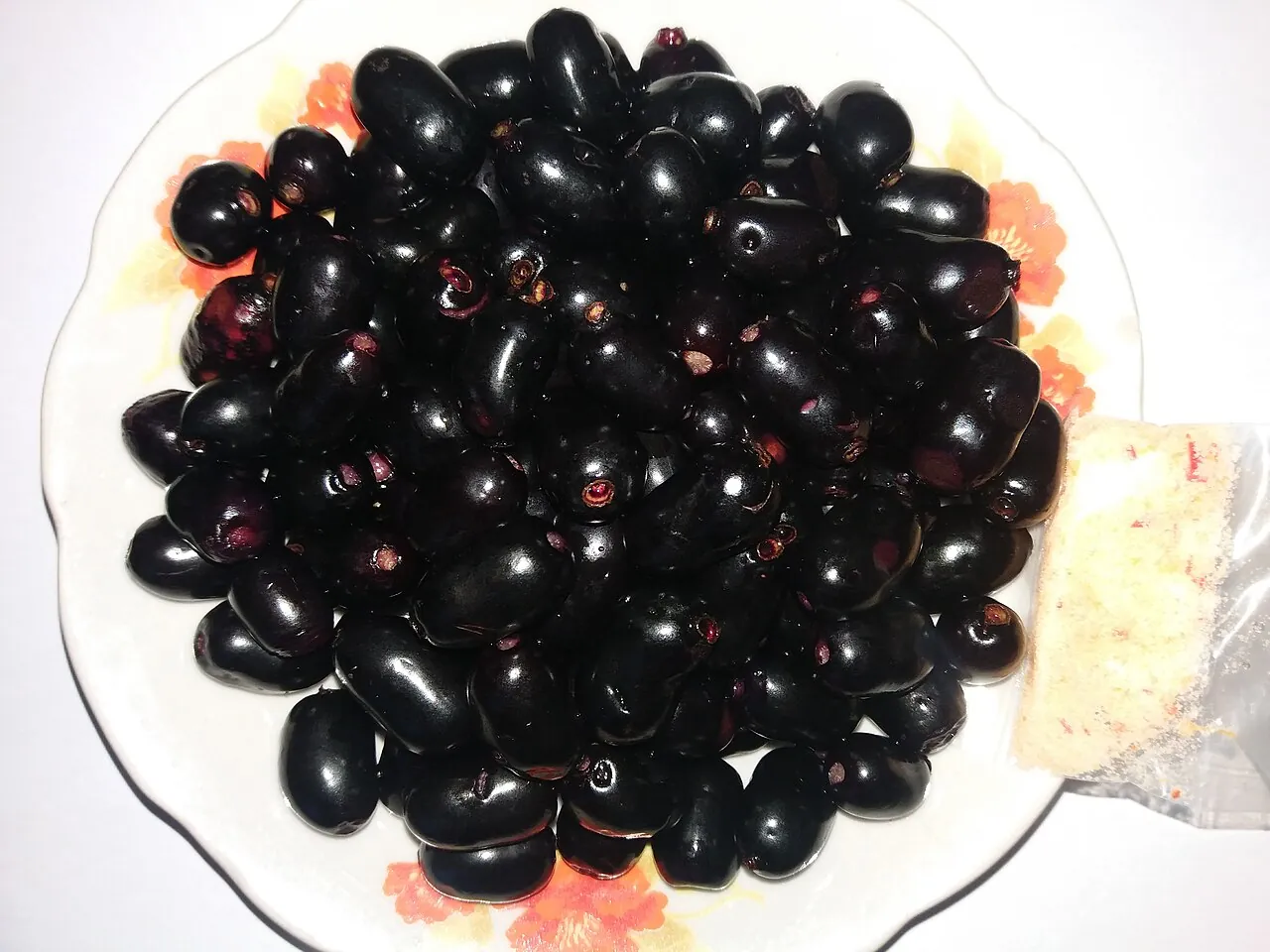
Jamun is a glossy purple-black fruit with juicy flesh and a flavour that runs from sour and mouth-puckering to fairly sweet. Its thin skin gives way to pulp that usually wraps a single seed. In India, a little salt is a familiar companion to the fresh fruit.
What it is
Also called Java plum or black plum, jamun is Syzygium cumini, a member of the myrtle family. A typical oval fruit is about 2 cm (¾ in) long. Its skin changes from green through purplish red to shiny purple-black.
Inside, the flesh can be purple or white, usually wrapped around one oblong seed. The taste runs from astringent and sour to fairly sweet; astringency is the dry, puckering feeling left in your mouth.
Where it comes from
Jamun is native to India, Myanmar, Sri Lanka and the Andaman Islands. It grows across India, from the northern plains to Tamil Nadu, and is widely planted in the Philippines and Java. It has also reached Florida and California.
The tree has a place beside people as well as in orchards: jamuns are commonly planted in Hindu and Buddhist temple compounds.
How it's eaten where it grows
In India, fresh jamun is often eaten with salt. Jamun raita takes the fruit into a savoury meal: deseeded, chopped fruit is stirred into yoghurt with black salt and roasted cumin, alongside spicy pulao or roti.
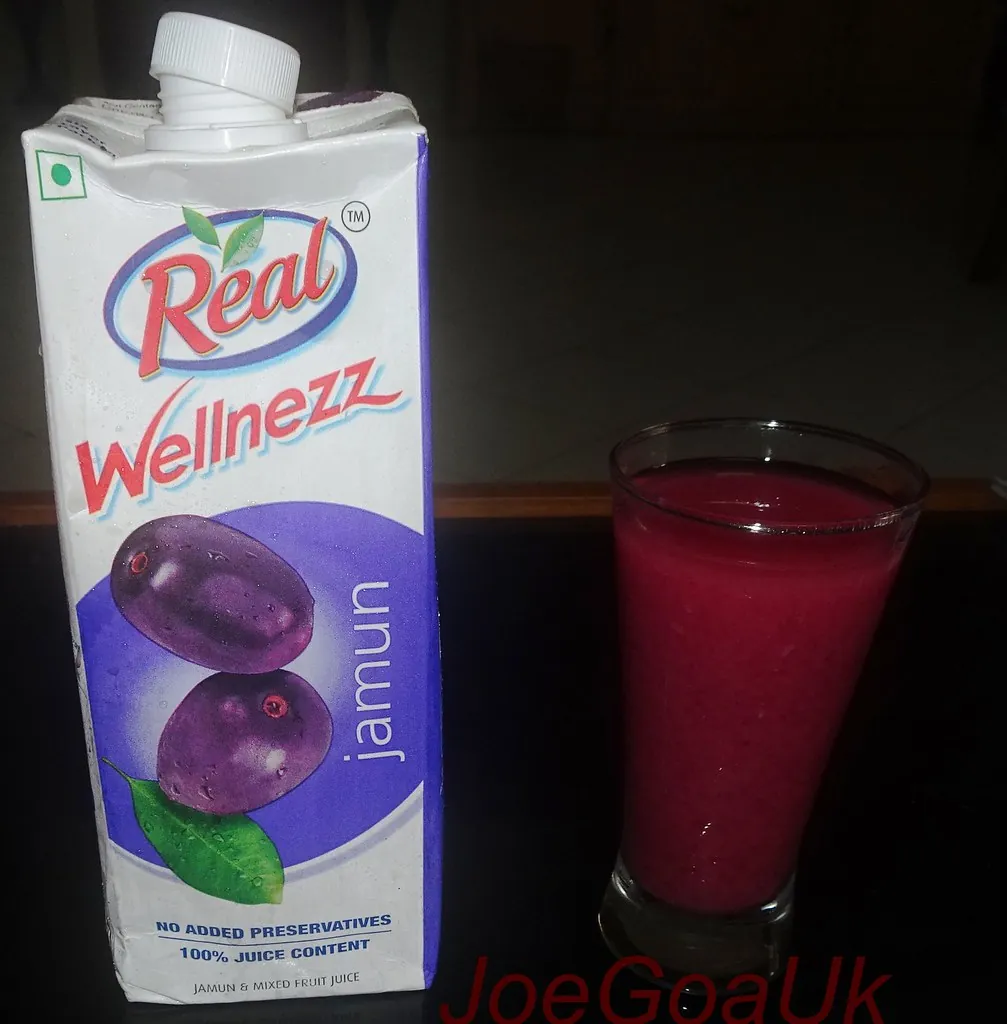
Jamun squash is a sweet bottled drink made from the juice of cooked, crushed fruit, sugar and water. In Goa and the Philippines, fermented jamun becomes a port-like wine. Across India it also becomes a clear purple vinegar with a mild flavour.
How it's grown
This is a tall evergreen tree, planted for shade and as a windbreak as well as for fruit. Once established, it tolerates drought and brief flooding. A tree raised from seed takes around 8–10 years to fruit; grafted trees can start sooner. In India, pickers return several times over the season, taking the fruit by hand as it ripens.
When and where you'll find it
In India, jamun usually ripens in June and July and reaches local fruit markets in baskets. It is delicate, keeping only about 3–4 days under ordinary conditions. In Malaysia, the usual harvest comes in November and December.
Frozen pulp gives the fruit another form: in India, Jain Farm Fresh has made a FRUZEN jamun pulp from Indian fruit, with no added sugar.
Get it near Detroit
What it tastes like
As tart as a grapefruit, as sweet as a blueberry≈
More about the taste
Jamun's flavor ranges from astringent and sour to fairly sweet. Ripe berries turn shiny purple-black.
Jamun's flavor ranges from astringently sour to fairly sweet.
The fleshy oblong fruit changes from green through purplish red to shiny purple-black as it ripens.
Choose, eat
1ChooseDark color
Look for
- Dark color
- Shiny purple-black
Ignore
- Color alone
Dark fruit can still be astringent; taste one from the batch.
2EatBerries
Eat
BerriesJamun is eaten fresh or processed into juice, sauce, jam and preserves.
Detroit, Michigan
When it’s good hereUsual monthsJust arrivedAt their bestLast chanceAll yearWhere it is in its usual monthsToday, Oct 22Grown hereIn season in your stateShips fromIn season where it grows
2 growing areas, 2 countriesUsual monthsToday, Oct 22

- Malaysia
- Sindh
- You
0 of 1 areas · October
Growing areas by country
- Malaysia1
- Pakistan1
Jamun trees are planted in Hindu and Buddhist temple compounds, and the fruit and leaves are used in religious worship.
1 variety
92 names in 21 languages
Cook it
Strange but trueA myth, and the truthNatureWhere the name came fromCustoms and cultureFood and drink
If you like Jamun
Tastes alike
Close relatives
Used the same way
Nutrition, sources
Nutrition
Java-plum, (jambolan), raw · per 100 g
- Carbohydrate
- 16 g
- Protein
- 0.7 g
- Fat
- 0.2 g
- Vitamin C
- 14 mg
- Potassium
- 79 mg
Sources
Jamun · Fruitopia · checked Sep 22, 2026