Blackberry
Also called Bramble · Shrubby blackberry · Blackberry, brambleRubus fruticosus · Rosaceae family
Meet blackberries twice: whole and seedy in a crisp, then smooth in a ripple ice pop.
Find it near DetroitGet to know it
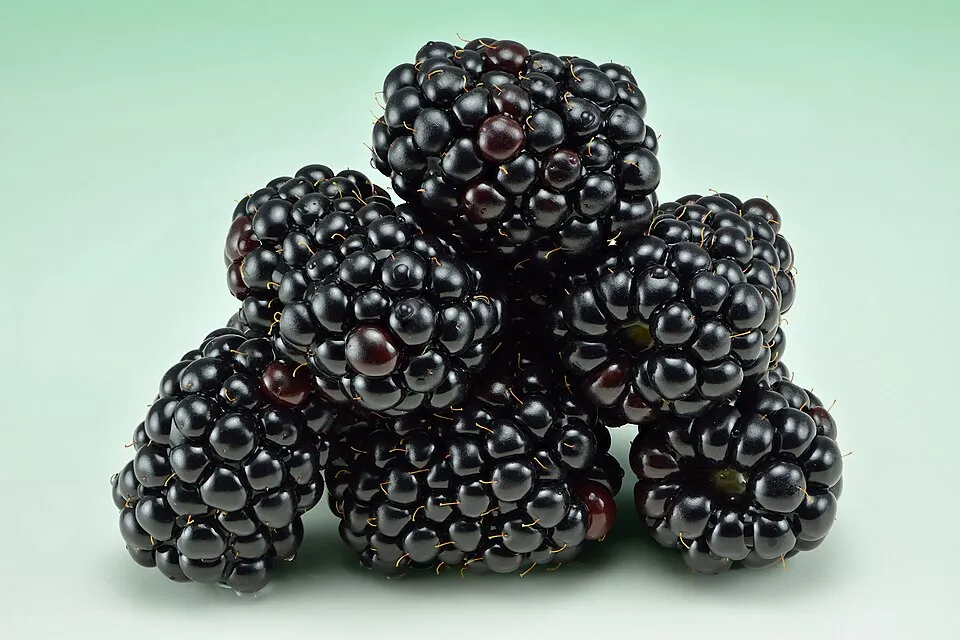
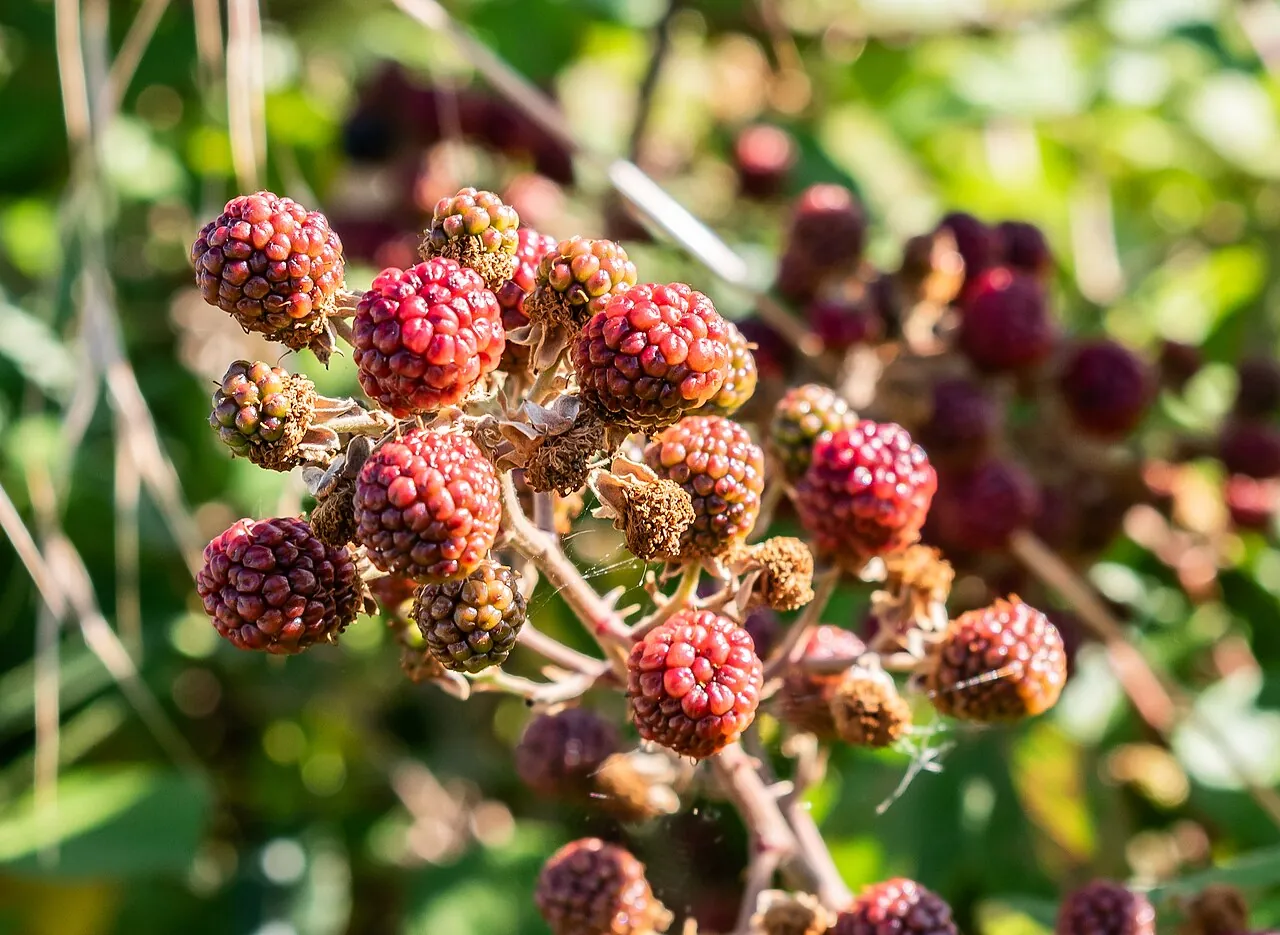
A blackberry is a cluster of tiny sections called drupelets, each with its own seed, packed into one juicy mouthful. Oregon’s marionberry brings an earthy edge to its sweet-tart flavour. Firmer varieties from upright plants are commonly grown for the fresh-fruit market.
What it is
Blackberries belong to the rose family, and share the caneberry group with raspberries. The name covers many species and crosses. Each little rounded bump is a section called a drupelet, with a seed inside.
The fruit changes with the plant. Wild Pacific blackberries have oblong fruit only 1–2 cm (0.4–0.8 in) long. Trailing garden varieties tend to have long berries, smaller seeds and a strong aroma. Upright varieties tend to give firmer fruit.
Where it comes from
Wild blackberries grow across Europe, parts of Asia, northwestern Africa and the Americas. Modern garden varieties draw on several of these plants. On North America’s Pacific coast, Rubus ursinus grows from British Columbia to California and inland to Idaho; it is a main ancestor of trailing blackberries.
Oregon grows more blackberries than any other US state. Its Marion variety, sold as the marionberry, takes its name from Marion County.
How it's eaten where it grows
In Britain, apple and blackberry crumble puts the berries beside cooked apples under a crumbly topping of flour, butter and sugar. It comes to the table with custard or cream.
In Oregon, marionberry pie became the state pie in 2017. Smaller berry hand pies wrap a filling of raspberries or blackberries, sugar and a little cornstarch inside folded pastry, with the edges pressed shut by a fork.
How it's grown
Blackberries grow on woody stems called canes, which can stand upright, trail along the ground or fall in between as semi-trailing types. The roots and the base of the plant live for years. On many varieties, a cane grows in its first year, fruits in its second and then dies.
Some newer varieties also fruit on their first year’s growth, giving a second crop in late summer or fall. Prime-Ark Freedom does this on upright, thornless canes.
When and where you'll find it
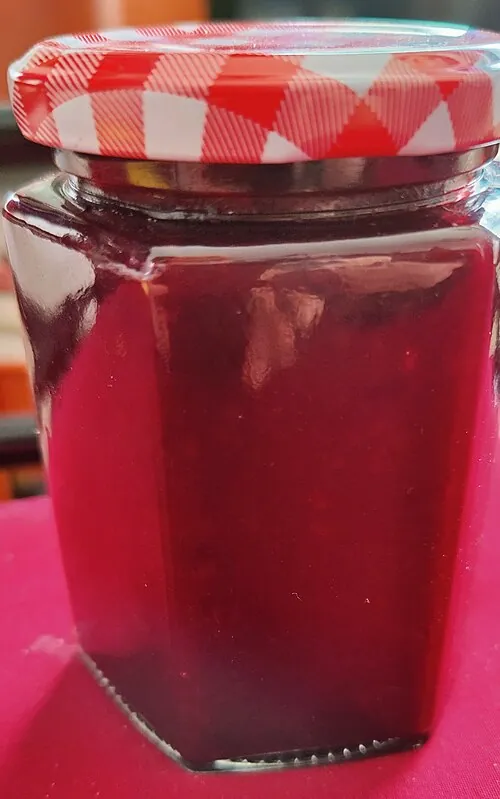
In South Carolina’s Piedmont, trailing and semi-trailing blackberries usually start ripening in late June. Coastal areas run earlier and mountain areas later. Oregon marionberries usually ripen from early July to early August, reaching local farms and markets fresh. Frozen Oregon berries carry the fruit beyond that short season for baking and jam.
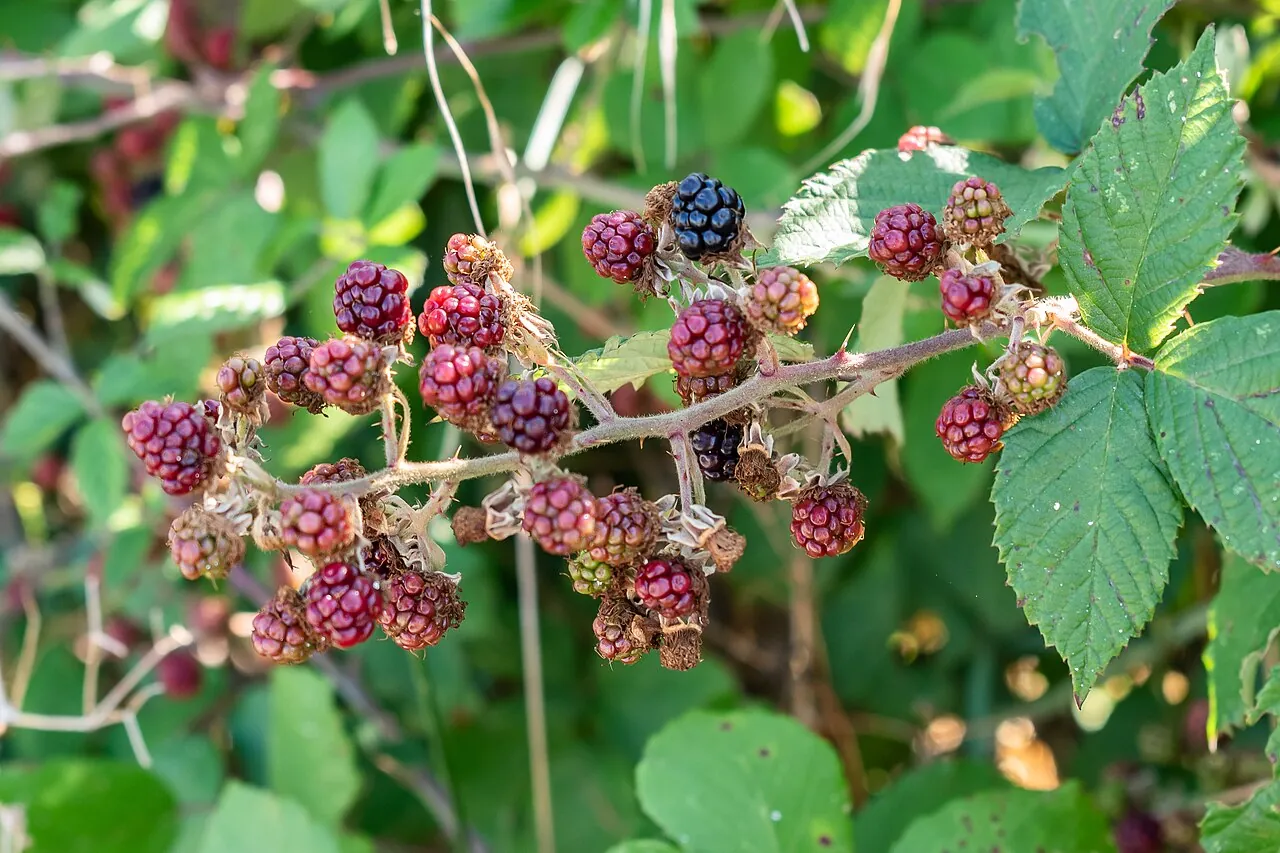
For berries picked at home, a glossy black surface turns slightly dull at full eating ripeness. Prompt refrigeration after picking helps the fruit keep longer.
Sources · 8
- Adam Gray, Great British Chefsgreatbritishchefs.com
- Clemson Cooperative Extensionhgic.clemson.edu
- Oregon Department of Agriculture (2024)oregon.gov
- Oregon Raspberry & Blackberry Commissionoregon-berries.comOther pages2
- Oregon State University Extensionextension.oregonstate.eduOther pages2
- Oregon State University Landscape Plantslandscapeplants.oregonstate.edu
- Rebekah Hubbard, Oregon Raspberry & Blackberry Commissionoregon-berries.com
- Wikipediaen.wikipedia.org
Get it near Detroit
What it tastes like
As soft as a grapefruit, as sweet as a kiwifruit≈
More about the taste
Blackberries bring a seed-textured bite; straining removes that texture. In a crisp they cook down into a jammy filling; strained into a purée, they become smooth for an ice pop.
Sugar and acid levels vary by variety and by harvest date, so one variety can taste noticeably sweeter than another.
Choose, ripen, store, eat
1ChooseSlightly dull, not glossy
Look for
- Slightly dull, not glossy
For fruit you pick yourself, look for berries that have turned from glossy black to slightly dull — a ripeness cue. Skip soft, deteriorating berries.
2RipenDoesn’t ripen after picking
Doesn’t ripen after pickingPick blackberries at eating ripeness and cool them promptly; they don’t improve after picking.
3StoreFridge, picked berries
- FridgePicked berriesBreathable container, few berries deep
Refrigerate soon after picking in a breathable container, only a few berries deep, so the lower fruit is not crushed.
4EatWhole berries
Eat
Whole berriesUse whole berries in a crisp, or purée and sieve them to remove the seed texture.
More tips
Worth knowing
- Protect picked berries from heat and crushing; handling matters more than how many days they've been in the fridge.
- The shiniest dark blackberry isn't always the best tasting; ask the grower how to tell ripe ones.
- Later, smaller blackberries are higher in sugar but not always better tasting; acidity and variety matter too.
Detroit, Michigan
When it’s good hereUsual monthsJust arrivedAt their bestLast chanceAll yearWhere it is in its usual monthsToday, Oct 22Grown hereIn season in your stateShips fromIn season where it grows
26 growing areas, 8 countriesUsual monthsOur estimated monthsToday, Oct 22

- Araucanía
- British Columbia
- California
- Florida
- Hawaii
- Huelva
- Kent
- Maule
- Michoacán
- O'Higgins
- Quebec
- South Australia
- United Kingdom
- You
3 of 16 areas · October
Growing areas by country
- United States13
- Canada3
- Chile3
- Spain2
- United Kingdom2
- Argentina1
- Australia1
- Mexico1
and 3 more countries
Some blackberry varieties fruit only on second-year canes; others also crop on first-year growth. Growers combine varieties to extend the harvest, so a long local season can reflect plant choice as much as climate.
139 varieties
- No variety photo yetEclipse
- Taste
- sweet
- Bite
- crunchy
- Feel
- firm
- No variety photo yetGalaxy
- Taste
- sweet
- Bite
- crunchy
- No variety photo yetThunderhead
- Feel
- firm
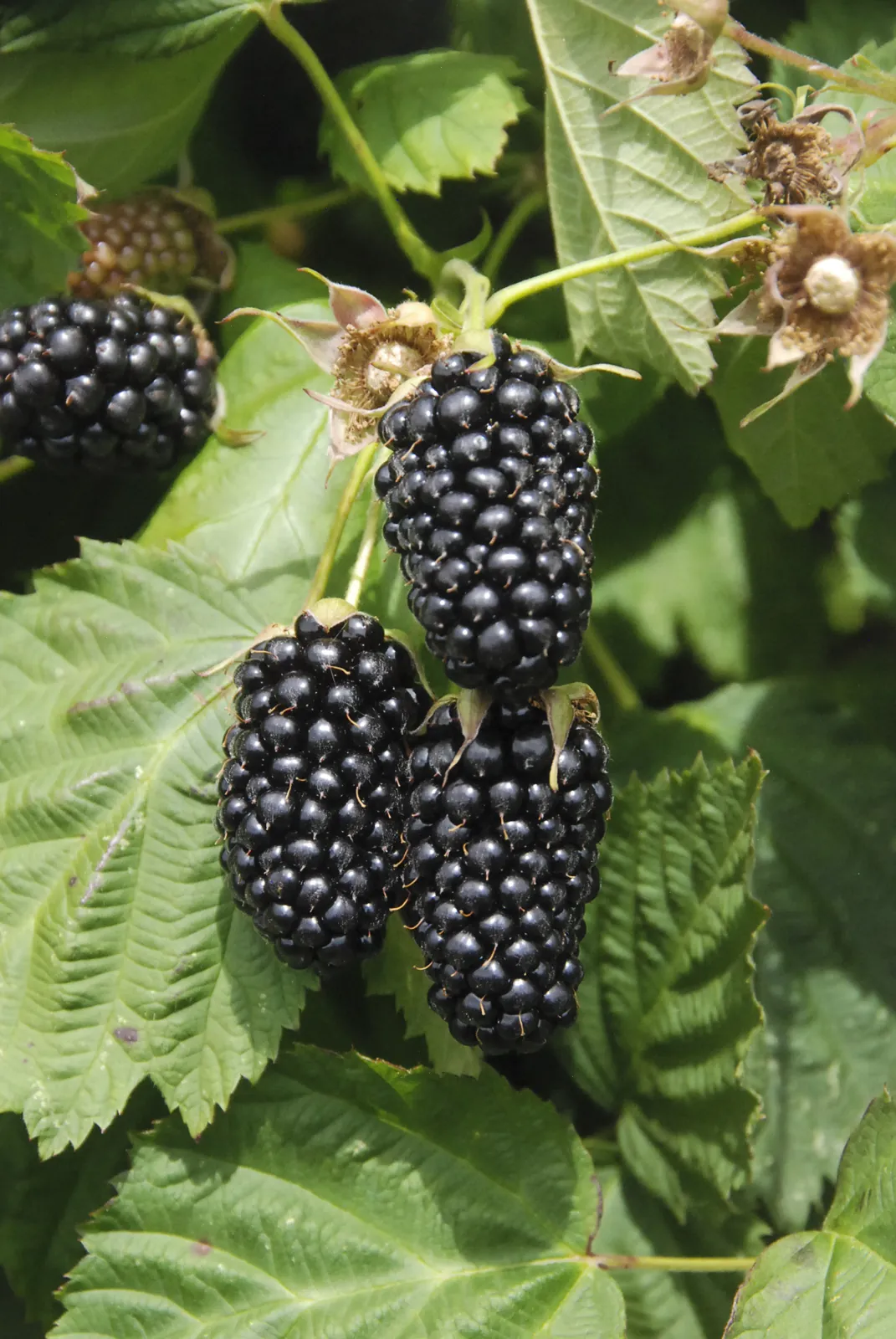 Columbia Star
- Taste
- sweet
- Scent
- aromatic
- Feel
- firm
- No variety photo yetA-2454T
- Taste
- sweet
- Bite
- crisp
- Feel
- firm
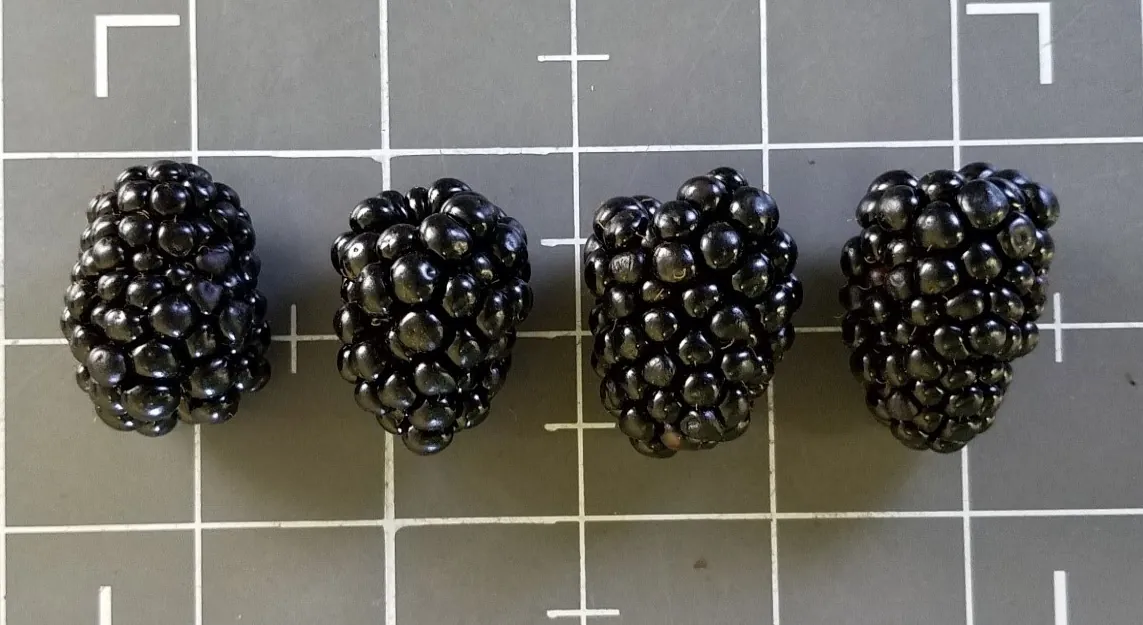 Caddo
- Scent
- aromatic
26 names in 8 languages
Cook it
2 blackberry festivalsUsual monthToday, Oct 22
Strange but trueA myth, and the truthScienceNatureWhere the name came fromCustoms and culture
If you like Blackberry
Tastes alike
Close relatives
Nutrition, sources
Nutrition
Blackberries, raw · per 100 g
- Carbohydrate
- 9.6 g
- Fiber
- 5.3 g
- Sugars
- 4.9 g
- Protein
- 1.4 g
- Fat
- 0.5 g
- Vitamin C
- 21 mg
- Potassium
- 162 mg
Sources
Blackberry · Fruitopia · checked Sep 21, 2026