Water apple
Also called Water cherry · Watery rose apple · Lau LauSyzygium aqueum · Myrtaceae family
A crisp, watery bite is the appeal, even when sweetness is gentle.
Find it near DetroitGet to know it
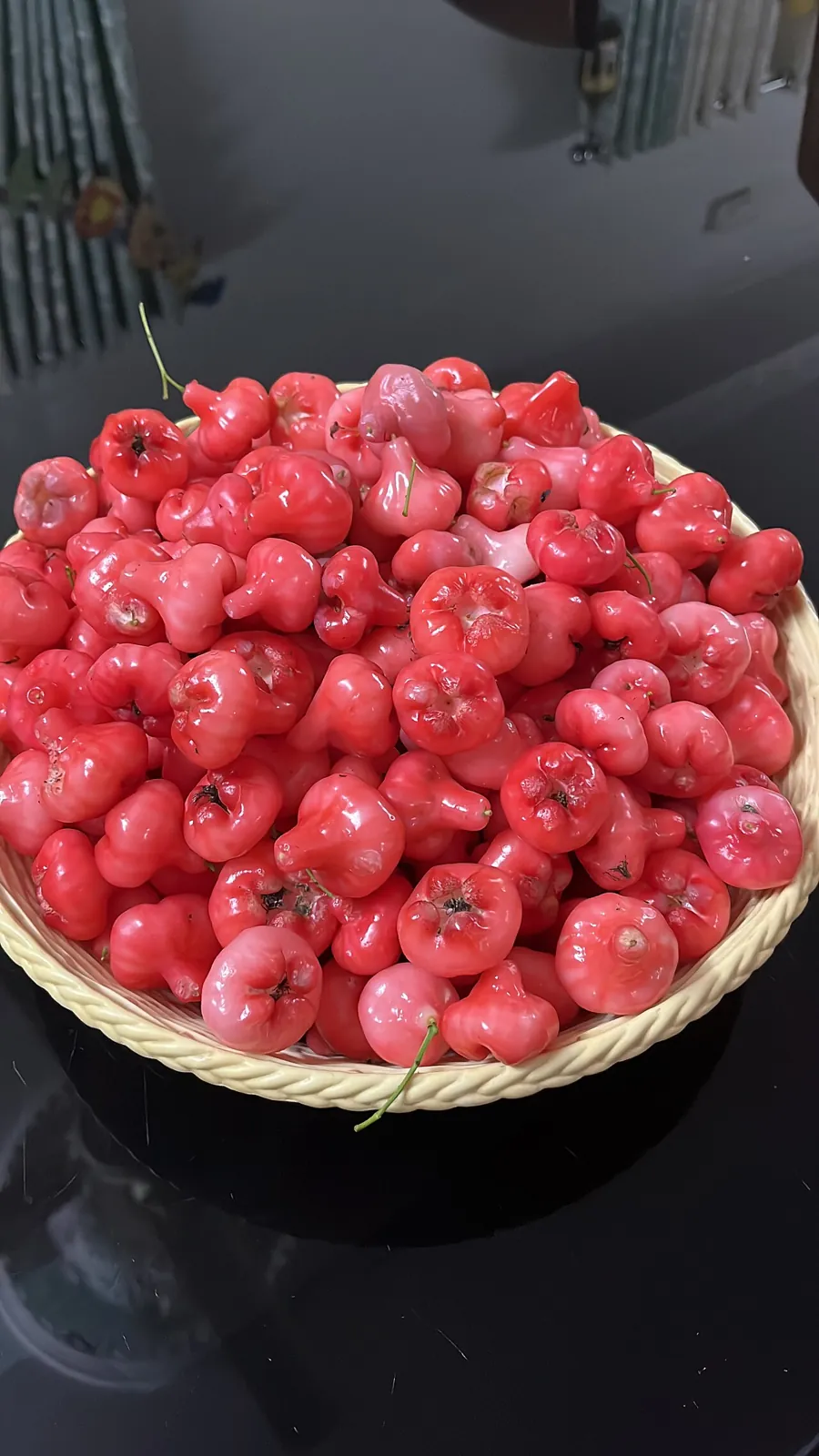
Water apple is a small, shiny fruit with crisp white flesh and a mouthful of juice. Its gentle sweetness comes with a slight drying sensation. In Indonesia, it goes into rujak fruit salads and asinan pickles, or reaches market threaded onto slender bamboo sticks.
What it is
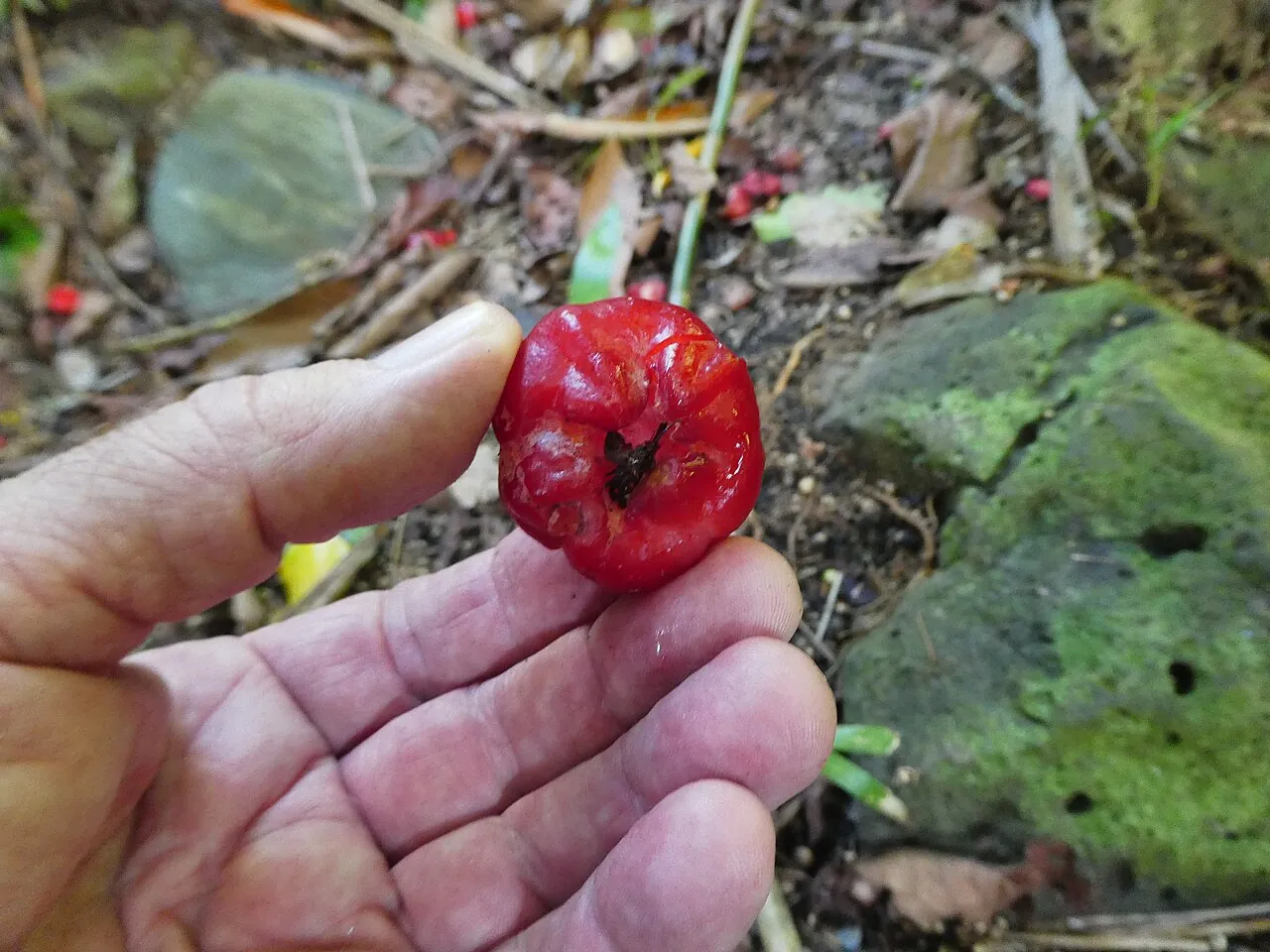
Water apple is Syzygium aqueum, a member of the myrtle family. It is a different fruit from wax apple and Malay apple, though they stand in for one another at market and water apple is hard to tell from wax apple. The thin skin ranges from white to red, and the fruit is about 2.5–3.4 cm (1–1⅓ in) wide.
The flesh is juicy and crisp, with mild sweetness and a slightly drying finish. Many fruits have no seeds; others hold small seeds inside. Indonesia has both white-fruited and red-fruited forms.
Where it comes from
Water apple belongs to a group of fruit trees with roots in Southeast Asia. It is grown in India, Southeast Asia and Indonesia, often around homes. In Brazil it is known as jambo-branco; in the country’s north, the tree also provides greenery along streets.
How it's eaten where it grows
In Indonesia, water apples go into rujak, a fruit salad, or become asinan, pickled fruit. Young leaves have a separate place in the kitchen: they wrap snacks made from fermented sticky rice. Market sellers also offer the fresh fruit in piles or on bamboo skewers.
In Brazil, bolo de jambo folds chopped ripe fruit, skin included, into a cake batter with butter, eggs, sugar, milk and flour.
How it's grown
The small evergreen tree has a spreading crown. Growers can make new trees by air layering: a branch forms roots while still attached to its parent, then becomes a separate plant. After flowering, water apples take about 30–40 days to ripen. The thin skin calls for gentle picking and handling.
When and where you'll find it
In Singapore, water apples usually fruit from January to March and again from July to September. In Indonesia, they are sold in markets. The fruit is best eaten or preserved within a few days of picking; its delicate skin makes careful handling part of the journey from tree to table.
Get it near Detroit
What it tastes like
The flesh is juicy and crisp, sweet with a touch of astringency, and notably watery.
The flesh is juicy and crisp, sweet with a touch of astringency, and notably watery.
Choose, store, eat
1ChooseFruit color
Ignore
- Fruit color
Ripe fruit can be white, pink or red, and may or may not have seeds; color depends on the type.
2StoreThe thin skin is delicate
The thin skin is delicate; handle gently and eat or preserve soon after harvest.
3EatFruit · not small seeds
Eat
FruitNot eaten
Small seedsEat the fruit fresh or prepared. Some fruit contains small seeds, which aren't eaten.
More tips
Worth knowing
- Texture is part of water apple's appeal, and cooking or pickling changes its fresh crunch.
Detroit, Michigan
When it’s good hereUsual monthsJust arrivedAt their bestLast chanceAll yearWhere it is in its usual monthsToday, Oct 22Grown hereIn season in your stateShips fromIn season where it grows
2 growing areas, 1 countryUsual monthsOur estimated monthsToday, Oct 22

- Pahang
- Penang
- You
0 of 1 areas · October
In Indonesia, water apple goes into rujak fruit salads and asinan pickles. In Malaysia, it appears in a ceremonial salad served after childbirth.
29 names in 11 languages
- Jambu airroot
Cook it
Strange but trueCustoms and culture
Sources
Sources
Water apple · Fruitopia · checked Sep 22, 2026
What we don't know yet
The Naples Botanical Garden tree was noted in 2017.