Velvet apple
Also called MaboloDiospyros blancoi · Ebenaceae family
A fuzzy rind hides a much milder interior.
Find it near DetroitGet to know it
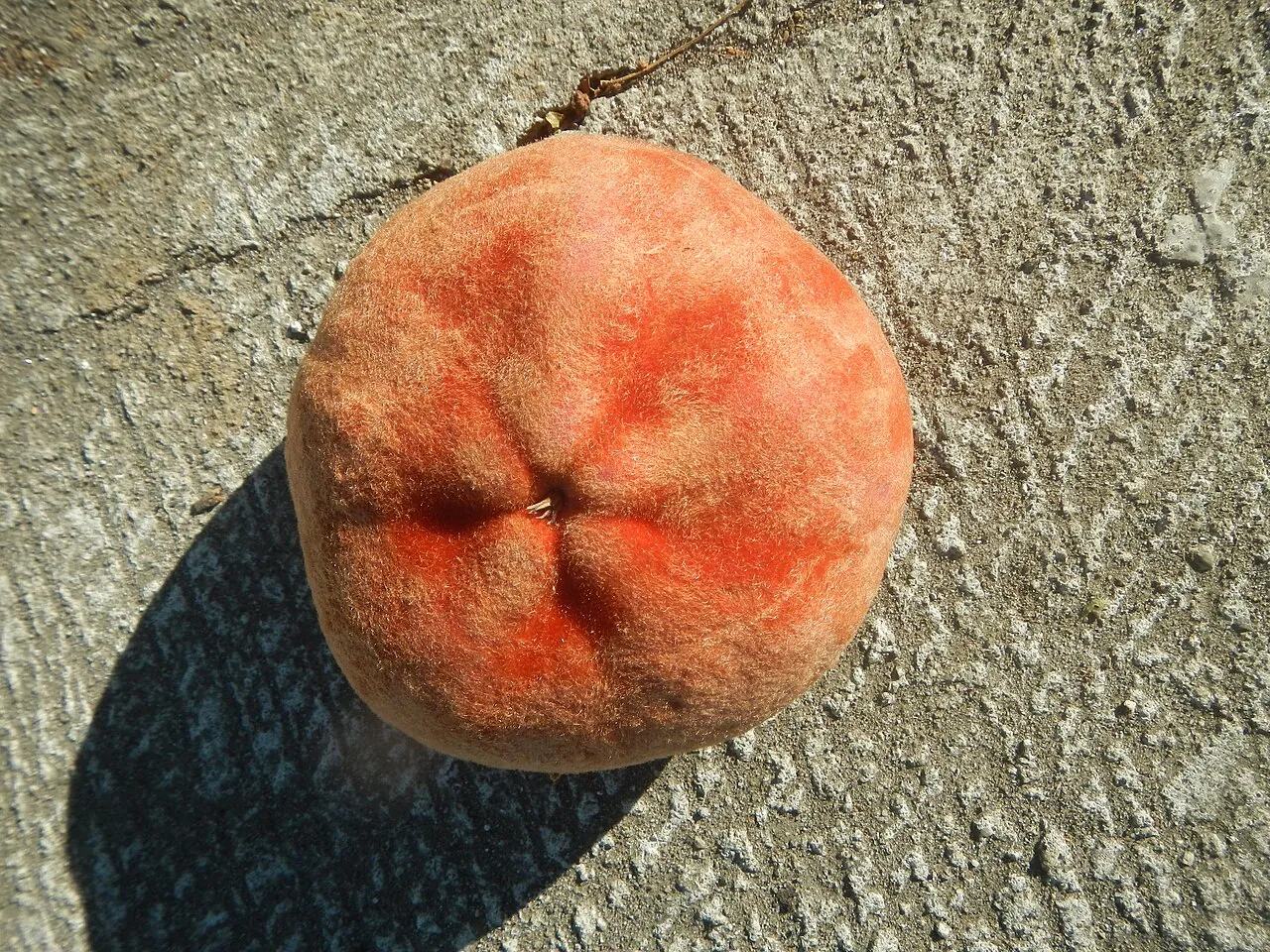
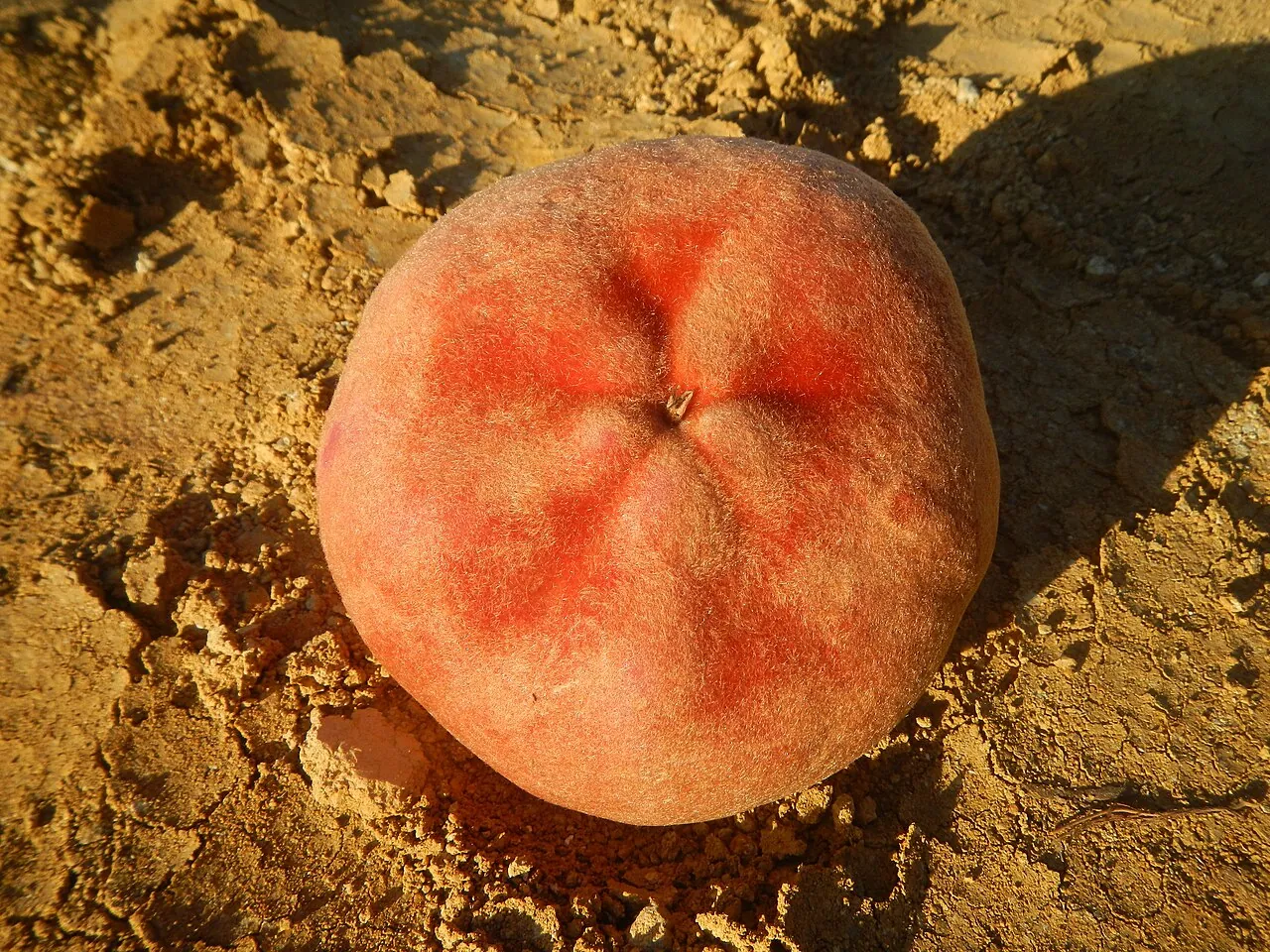
Velvet apple, or mabolo, is a Philippine fruit wrapped in reddish-brown fuzz. The whole fruit smells strongly of cheese, but its peeled flesh is much milder: firm, mealy and gently sweet, with a flavour that suggests apple and banana.
What it is
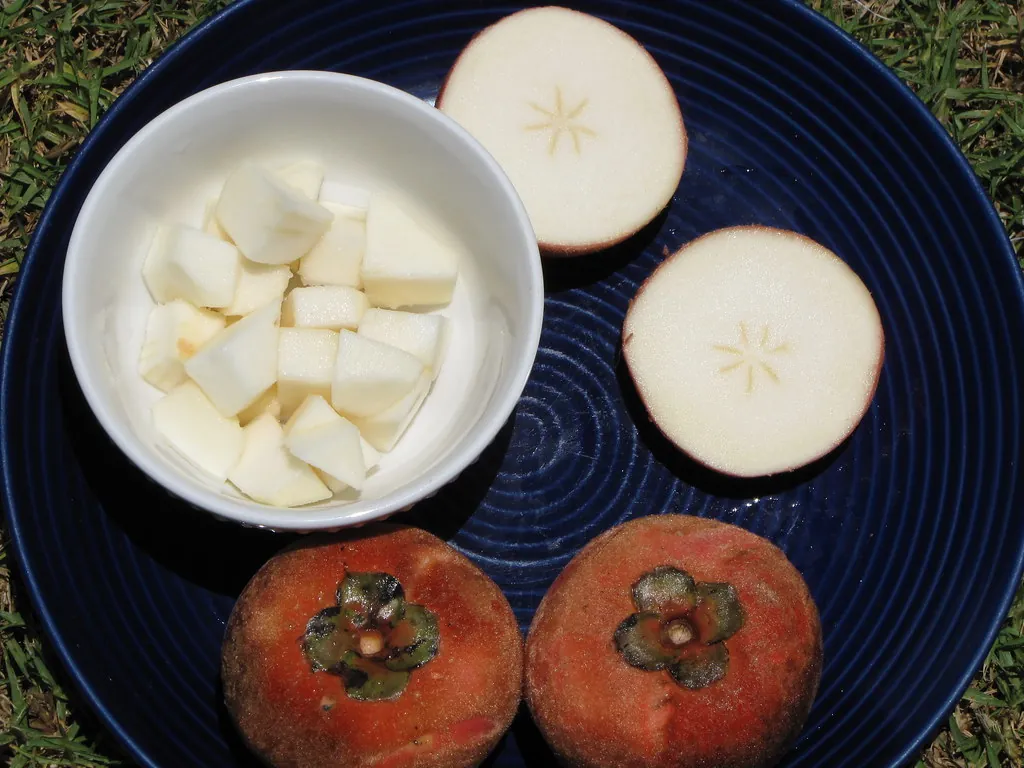
Mabolo is Diospyros blancoi, also known by the older name Diospyros discolor. The fruit measures 5–10 cm (2–4 in) across and wears short golden-brown or coppery hairs. Inside, the flesh is creamy white to yellow, moist rather than juicy.
A seeded fruit can hold four to eight large wedge-shaped seeds around its centre. Seedless fruit also occurs. The fuzzy skin is peeled away before eating; its hairs can irritate sensitive skin.
Where it comes from
Mabolo comes from the low- and middle-elevation forests of the Philippines, from Luzon south to the Sulu Islands. At home, it grows for its fruit and as a roadside shade tree. It reached Calcutta, now Kolkata, in 1881. Seeds from the Philippines reached the US in 1906, and later seedlings grew well in Miami.
How it's eaten where it grows
Recipes developed in Tagbilaran, on the Philippine island of Bohol, put mabolo into pancakes and fritters. The pancake batter includes shredded fruit and evaporated milk, with syrup or honey at serving. For fritters, slices of fruit are dipped in batter, fried golden and sprinkled with sugar.
For a simpler dessert, peeled mabolo is sliced and dressed with lime or lemon juice, or diced into a fruit salad. Its mild flesh and strong-smelling skin give quite different impressions.
How it's grown
Mabolo is an evergreen tree with glossy green leaves above and a silvery, hairy surface underneath. Male and female flowers grow on separate trees. New trees can be raised from seeds or by grafting. In the Philippines, budding joins a bud from a good fruiting tree to another plant, keeping that selected type.
When and where you'll find it
In India, mabolo usually ripens in July and August. Florida’s main season usually runs from June through September. The fruit also turns up in edible gardens farther afield: Finca Exótica, on Costa Rica’s Osa Peninsula, lists mabolo among the plants on its garden tour, which includes fruit and herb tasting.
Get it near Detroit
Sell fruit online? Add your business
What it tastes like
The rind carries most of the strong, cheese-like odor; the peeled flesh is much milder. Smelling the whole fruit and tasting the peeled flesh can give quite different impressions.
The rind carries most of the strong, cheese-like odor; the peeled flesh is much milder. Smelling the whole fruit and tasting the peeled flesh can give quite different impressions.
The flesh is firm, mealy and moist rather than juicy, with a mild sweetness, sometimes compared to banana and apple.
Choose, ripen, eat
1ChooseReddish-brown, velvety surface
Look for
- Reddish-brown, velvety surface
Ripe mabolo is reddish-brown with a velvety surface.
2RipenRipens after picking
Ripens after pickingTime to ripen at home depends on how mature the fruit was when picked.
3EatPulp · not peel, seeds
Eat
PulpNot eaten
PeelSeedsPeel before eating: the rind's surface hairs can irritate skin. Eat the pulp and remove the seeds.
More tips
Worth knowing
- Try mabolo cooked as well as raw: pancakes and fritters bring out different sides of it.
Detroit, Michigan
When it’s good here
Season not documented for Michigan.
2 growing areas, 1 countryUsual monthsOur estimated monthsToday, Oct 23

- Pahang
- Penang
- You
0 of 1 areas · October
Sliced mabolo goes into desserts and fruit salads, often with citrus juice, and is sometimes cooked. Stewing can make the flesh fibrous and tough.
12 names in 9 languages
- MaboloOther name
- 异色柿Chinese