Uvaia
Eugenia pyriformis · Myrtaceae family
An aromatic, acidic fruit whose delicate skin helps explain its importance in prepared foods.
Find it near DetroitGet to know it
Uvaia is a yellow-orange Brazilian fruit with thin, velvety skin and delicate, strongly perfumed pulp. In Brazil it goes into juice and ice cream, and it also comes as frozen pulp.
What it is
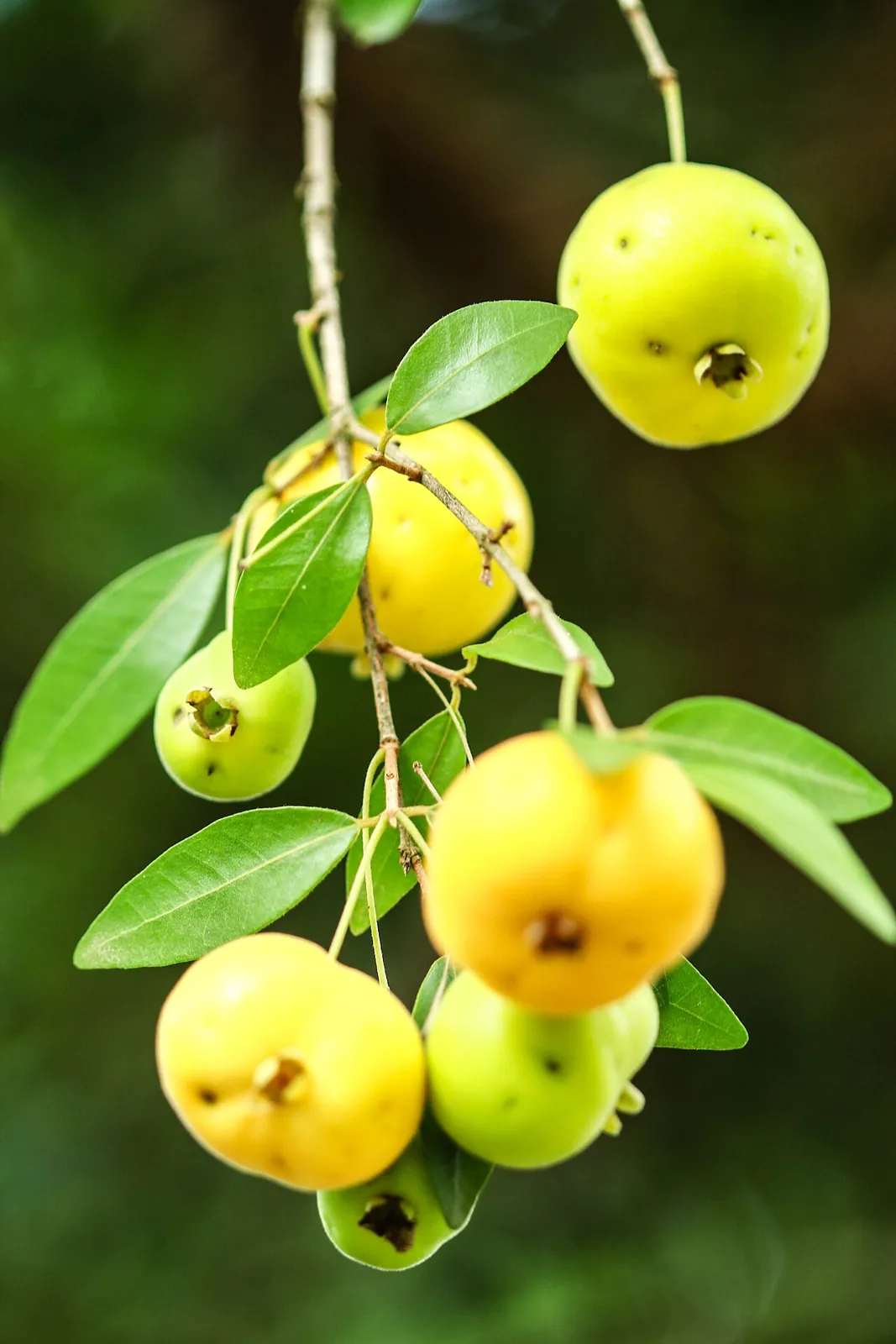
Uvaia is Eugenia pyriformis, a fruit in the myrtle family. It comes in round and pear-shaped kinds, measuring 2–4 cm (0.8–1.6 in) across, with one to four seeds. The yellow-orange skin is thin and velvety. Delicate pulp and a strong perfume come with a distinctly sour taste.
Where it comes from
Uvaia grows in Brazil’s Atlantic Forest, from São Paulo south to Rio Grande do Sul. Its wider range also includes Argentina, Bolivia, Paraguay and Uruguay. In Brazil, it goes by uvalha and orvalha as well as uvaia. The name comes from Tupi and means “sour fruit”.
How it's eaten where it grows
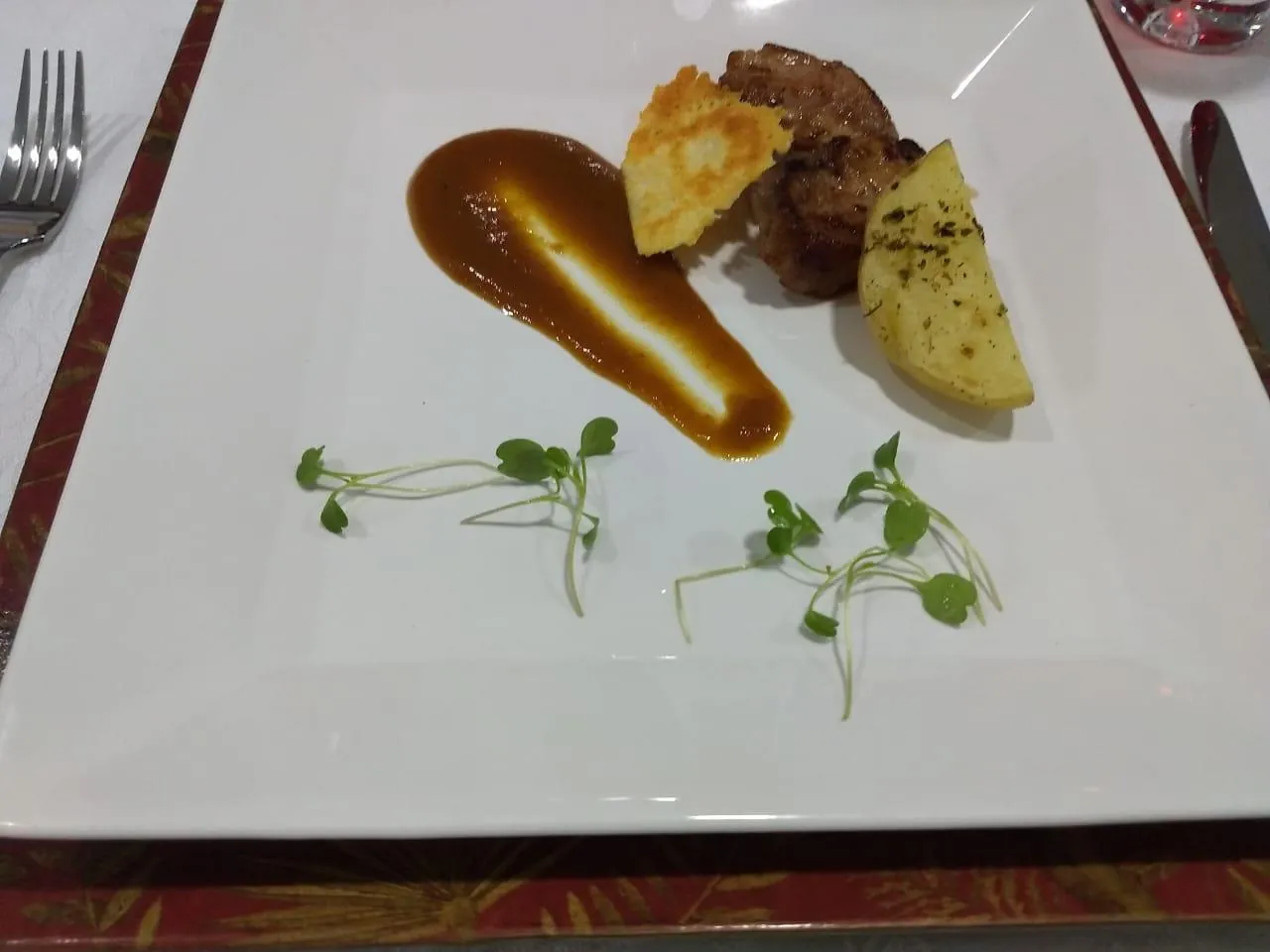
In Brazil, uvaia goes into fresh juice and ice cream. Its acidity also has a place beside meat: a recipe from Juiz de Fora pairs picanha de cordeiro, a cut of lamb, with uvaia jelly, a Parmesan crisp and rustic potatoes. The jelly cooks the pulp down with demerara sugar.
Frozen pulp works in sauces and desserts as well as drinks. Asmussen’s version contains just the fruit, with no added water, so it can be used as the fruit ingredient in those recipes.
How it's grown
The tree can grow 4–12 m (13–39 ft) tall, with a rounded or cup-shaped crown, and it is planted in full sun. Bees do most of the pollinating. Its seeds lose their ability to sprout within about 20 days. Yellow colour and fruit beginning to fall on its own signal ripeness.
When and where you'll find it
In Rio Grande do Sul, uvaia usually ripens from October through February; in Mato Grosso do Sul, from November through January; and in Paraná, in January and February.
In São Paulo, Asmussen’s online shop lists frozen pulp in 1 kg (2.2 lb) packs in its local frozen-pulp range.
Sources · 5
- Asmussenagroasmussen.com.br
- Colecionando Frutas — Helton Josuécolecionandofrutas.com.br
- Deotti et al. — O emprego de frutas nativas na gastronomia: uvaiazenodo.org
- Embrapa — Espécies arbóreas brasileiras, volume 4 (2010)alice.cnptia.embrapa.br
- Sociedade Chauá — Boletim 009 (2018)conexaoambiental.pr.gov.br
Get it near Detroit
What it tastes like
Uvaia has abundant, acidic pulp inside a delicate skin that's easily bruised during harvest and transport. It's flavorful fresh, or used in drinks, frozen desserts and preserves.
Uvaia has acidic pulp beneath a fine-haired skin, and is succulent, soft and strongly aromatic.
Choose, eat
1ChooseHandle whole uvaia gently, since bruised skin is a major obstacle to selling it fresh
Handle whole uvaia gently, since bruised skin is a major obstacle to selling it fresh. Pulp is a common alternative when the fragile whole fruit can't travel well.
2EatPulp · not seeds
Eat
PulpNot eaten
SeedsEat the abundant pulp fresh or in prepared foods; the seeds are not eaten.
Detroit, Michigan
When it’s good hereUsual monthsJust arrivedAt their bestLast chanceAll yearWhere it is in its usual monthsToday, Oct 22Grown hereIn season in your stateShips fromIn season where it grows
4 growing areas, 1 countryUsual monthsOur estimated monthsToday, Oct 22

- Mato Grosso do Sul
- Paraná
- Rio Grande do Sul
- São Paulo
- You
1 of 3 areas · October
Uvaia is used in juices, ice creams, jellies, compotes, puddings and mousses, and historically to flavor cachaça in southeastern Brazil.
Cook it
Strange but trueWhere the name came fromFood and drink
Sources
Photos · 2
Sources
Uvaia · Fruitopia · checked Sep 22, 2026