Tangor
A mandarin–sweet-orange hybrid category that becomes useful only when the variety is named.
Find it near DetroitGet to know it
A tangor joins a mandarin with a sweet orange. Tankan has deep-orange, juicy flesh with a rich sweetness; King hides its dark-orange segments under thick, lumpy skin. These are fruits with quite different peels and textures, sharing a family connection.
What it is
King is a large tangor, about 6.25–9.5 cm (2½–3¾ in) across, with a rough orange peel and relatively little stringy material around its segments. Tankan’s pebbled skin sometimes looks wrinkled, but peels away from tender, juicy flesh.
Murcott, most likely a tangor too, has smooth skin, orange flesh and plenty of seeds. It takes more effort to peel than a typical tangerine. In Florida, its shop name is Honey Tangerine.
Where it comes from
Tankan comes from southeastern China and spread to Taiwan and Japan. It grows in Guangdong and Fujian, central and northern Taiwan, and Japan’s warm southern islands, including Yakushima, Amami-Ōshima and Okinawa.
Other tangors began elsewhere. Umatilla came from a Ruby orange crossed with an Owari satsuma at Eustis, Florida, in 1911; the new fruit was propagated in 1931. Ortanique came to attention in the Christiana market in Jamaica. The group includes both planned crosses and chance discoveries.
How it's eaten where it grows
In Queensland, the grower Red Rich Fruits puts its Gayndah Murcotts into a citrus salad served with crisp-skinned salmon. The salad mixes fruit with shredded vegetables, coriander and chilli; its dressing combines citrus juice with sesame oil, soy sauce and ginger.
In Japan, Kagoshima-grown Tankan becomes Chikyubatake marmalade. The whole fruit goes into the jar, including its peel. Spread on toast or stirred into yoghurt, it gives the winter citrus another way onto the breakfast table.
How it's grown
Tankan grows on upright, medium-sized trees with almost no thorns. It likes warm, humid summers; in Okinawa its flowers open in April.
Jamaica’s Ortanique is budded onto pummelo rootstock and begins bearing regularly at about three years. Pollination needs depend on the variety: Murcott can set a crop without pollen from a different citrus variety nearby.
When and where you'll find it
In Florida, Murcott usually ripens from January through March and reaches the fresh-fruit market as Honey Tangerine. At Abu Nouen in Nago, Okinawa, Tankan is usually harvested from mid- to late January.
Tankan also travels as a preserve: the online grocer Japanese Taste lists Chikyubatake’s marmalade in a 140 g (4.9 oz) jar, made from Kagoshima fruit.
Get it near Detroit
What it tastes like
Tangor varieties differ a lot in peel thickness, seediness, rag and sweet-acid balance. Tankan is generally rich and sweet, though individual fruit can have excessive rag.
Tangor varieties differ a lot in peel thickness, seediness, rag and sweet-acid balance. Tankan is generally rich and sweet, though individual fruit can have excessive rag.
Choose, eat
1ChooseVariety name
Look for
- Variety name
Ask for a variety name: easy peeling, skin thickness and seediness all vary within the tangor group.
2EatFlesh
Eat
FleshFor Tankan jam, separate the flesh from the peel and membranes, then add back a little blanched, sliced peel.
Detroit, Michigan
When it’s good hereUsual monthsJust arrivedAt their bestLast chanceAll yearWhere it is in its usual monthsToday, Oct 22Grown hereIn season in your stateShips fromIn season where it grows
2 growing areas, 1 countryUsual monthsToday, Oct 22

- Ehime
- Okinawa
- You
0 of 2 areas · October
Umatilla is a Ruby orange × Owari Satsuma cross made at Eustis, Florida, in 1911 and propagated in 1931.
15 varieties
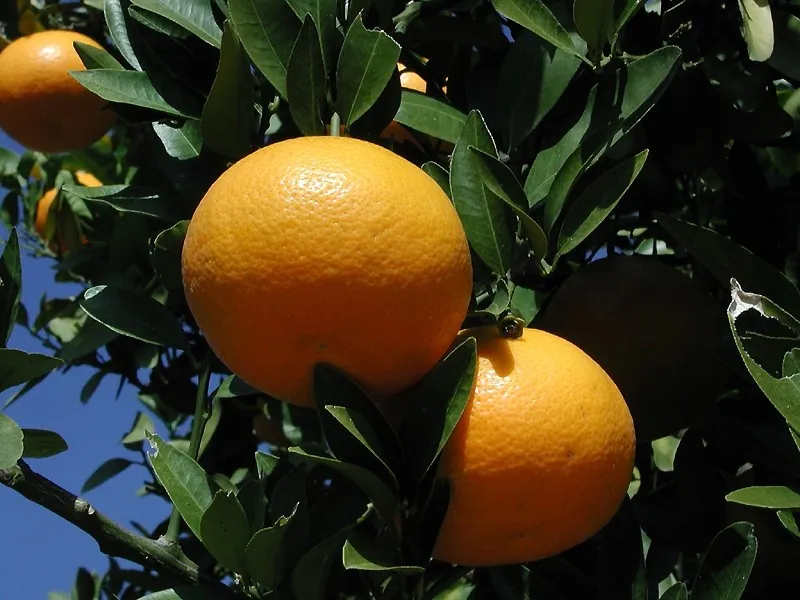 IyomikanPhoto: ‘Uncle Carl’ (カールおじさん) · CC BY-SA 3.0
- Kiyomi
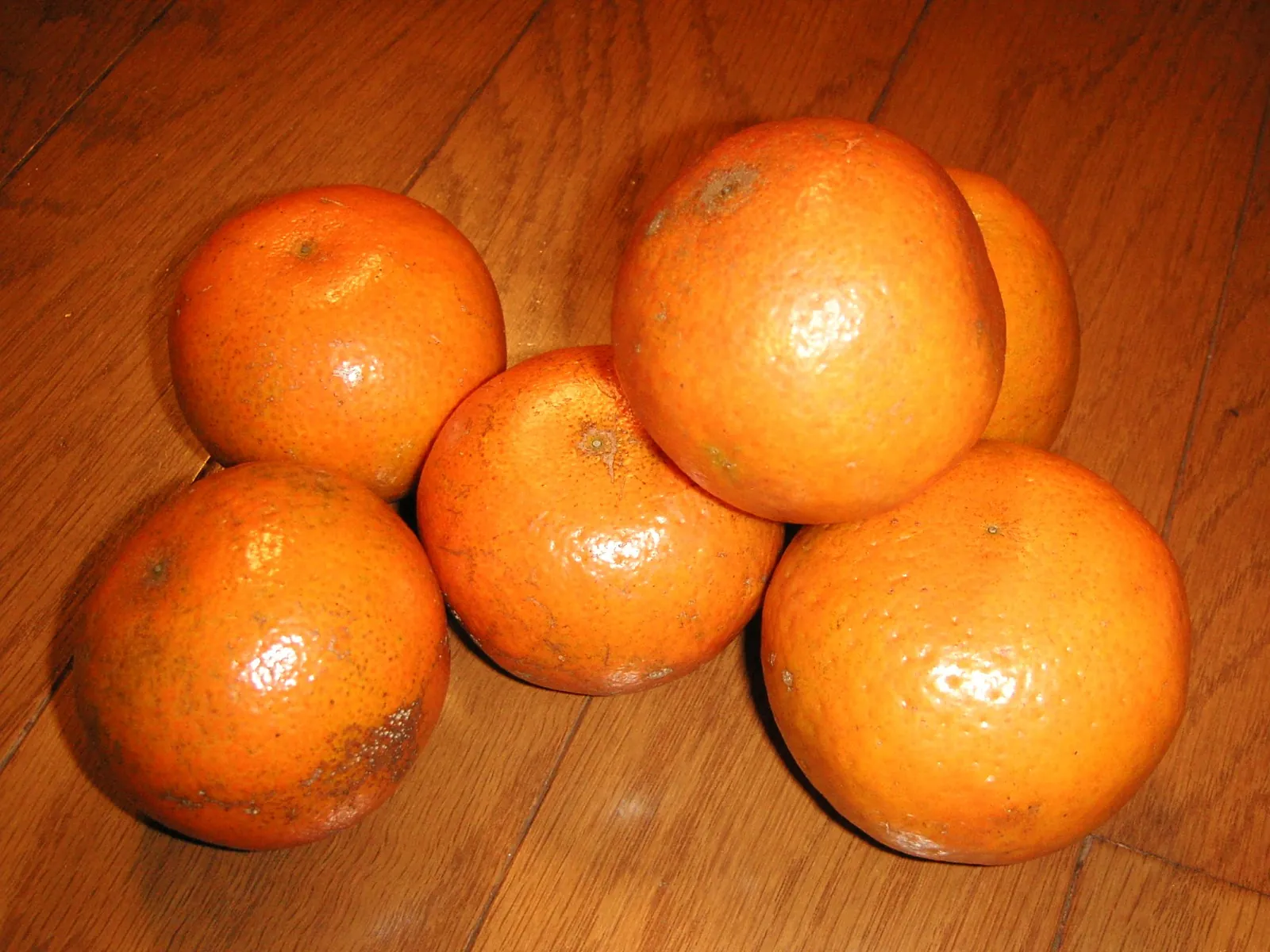 TankanPhoto: sirooziya · CC BY-SA 3.0
- No variety photo yetAltoona
- No variety photo yetAmoa 8
- No variety photo yetDweet
Cook it
Strange but trueNatureWhere the name came fromFood and drink
Sources
Photos · 2
Sources
Tangor · Fruitopia · checked Sep 22, 2026