Rangpur lime
Also called Mandarin lime · Kona lime · Cravo lemonCitrus limonia · Rutaceae family
An orange-colored citrus with a lime-like culinary role - and a few acidless exceptions.
Find it near DetroitGet to know it
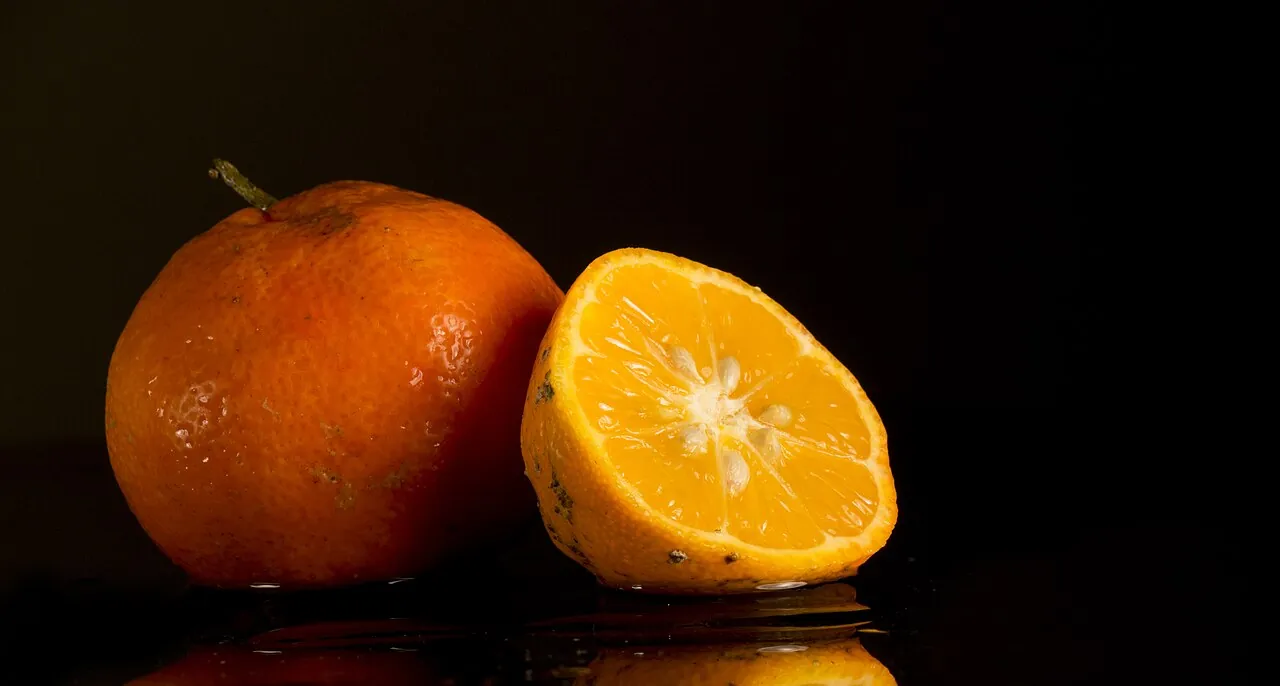
Rangpur lime looks like a small orange, but its juicy flesh has the sharpness of a lime. The orange peel is thin, the flesh is tender, and a squeeze brings acidity to a drink, a curry or a marinade.
What it is
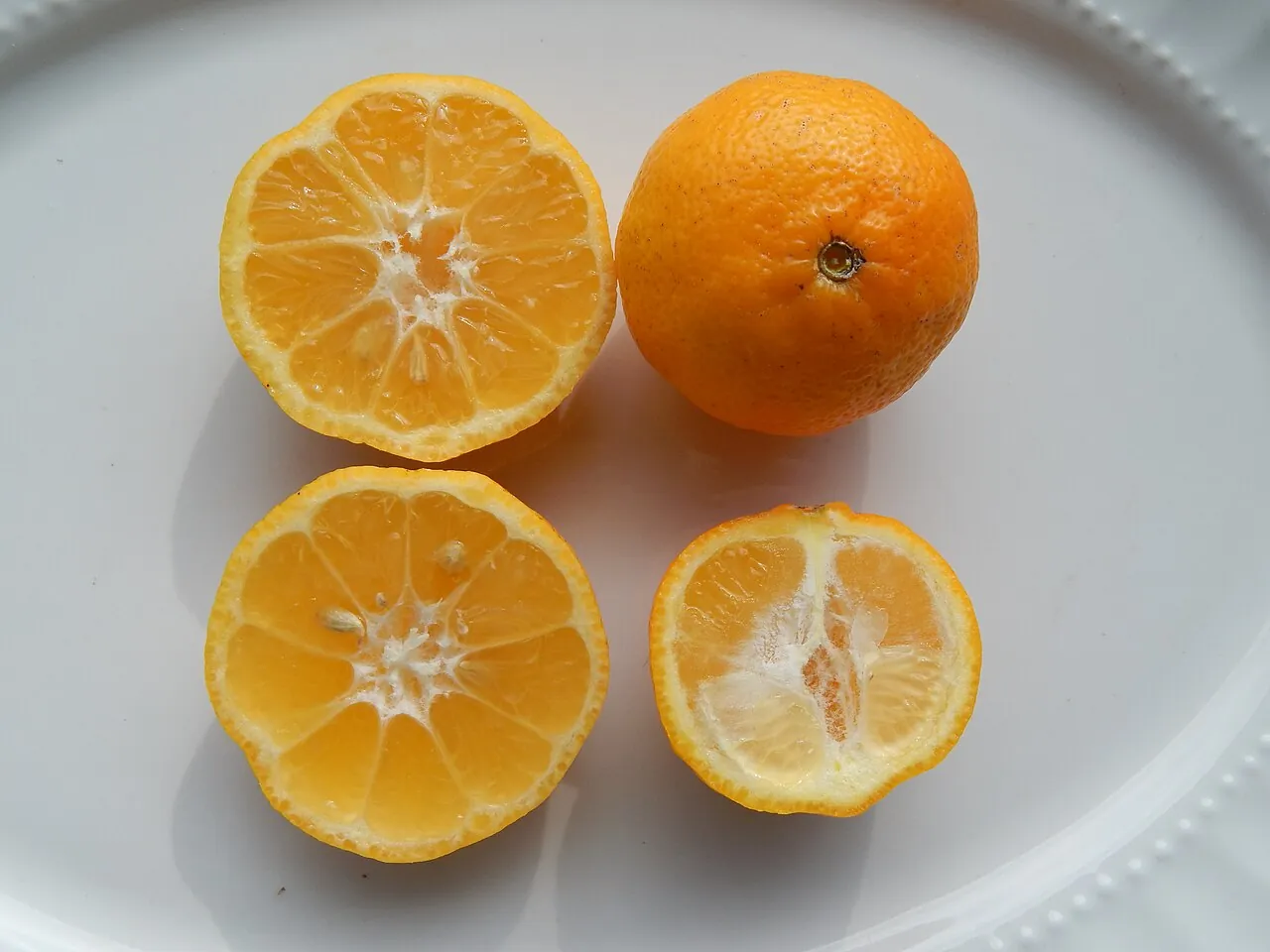
A Rangpur measures about 4.5–6.25 cm (1¾–2½ in) across, with orange flesh under an orange rind. The thin peel comes away easily. Inside are small seeds, sometimes as many as 18.
Its sweet-looking colour can be misleading: the ordinary Rangpur is strongly acidic. Weirick is a separate, almost acid-free variety with a much sweeter taste.
Where it comes from
Rangpur almost certainly comes from India, where it grows in the west and south. The Reasoner Brothers, nurserymen in Oneco, Florida, brought seed from northwestern India to Florida in the late 1800s.
In Brazil, its importance goes beyond the fruit bowl. Rangpur supplies roots for other citrus trees: a branch of the desired fruit variety is grafted onto it and grows into the fruit-bearing crown.
How it's eaten where it grows
In India, 20–40% sharp Rangpur juice is blended into sweeter mandarin juice. On Hawaiʻi’s Big Island, where its growing following has earned it the nickname Kona lime, it has found its way into dishes such as Chef Paul Heerlein’s hummus, with chickpeas, roasted garlic, olive oil and curry powder.
Teri Wisdom’s Kona Rangpur cheesecake uses both juice and zest, then gets a garnish of sliced papaya and passion-fruit sauce. The same fruit’s acidity suits marmalade and cocktails as well as savoury cooking.
How it's grown
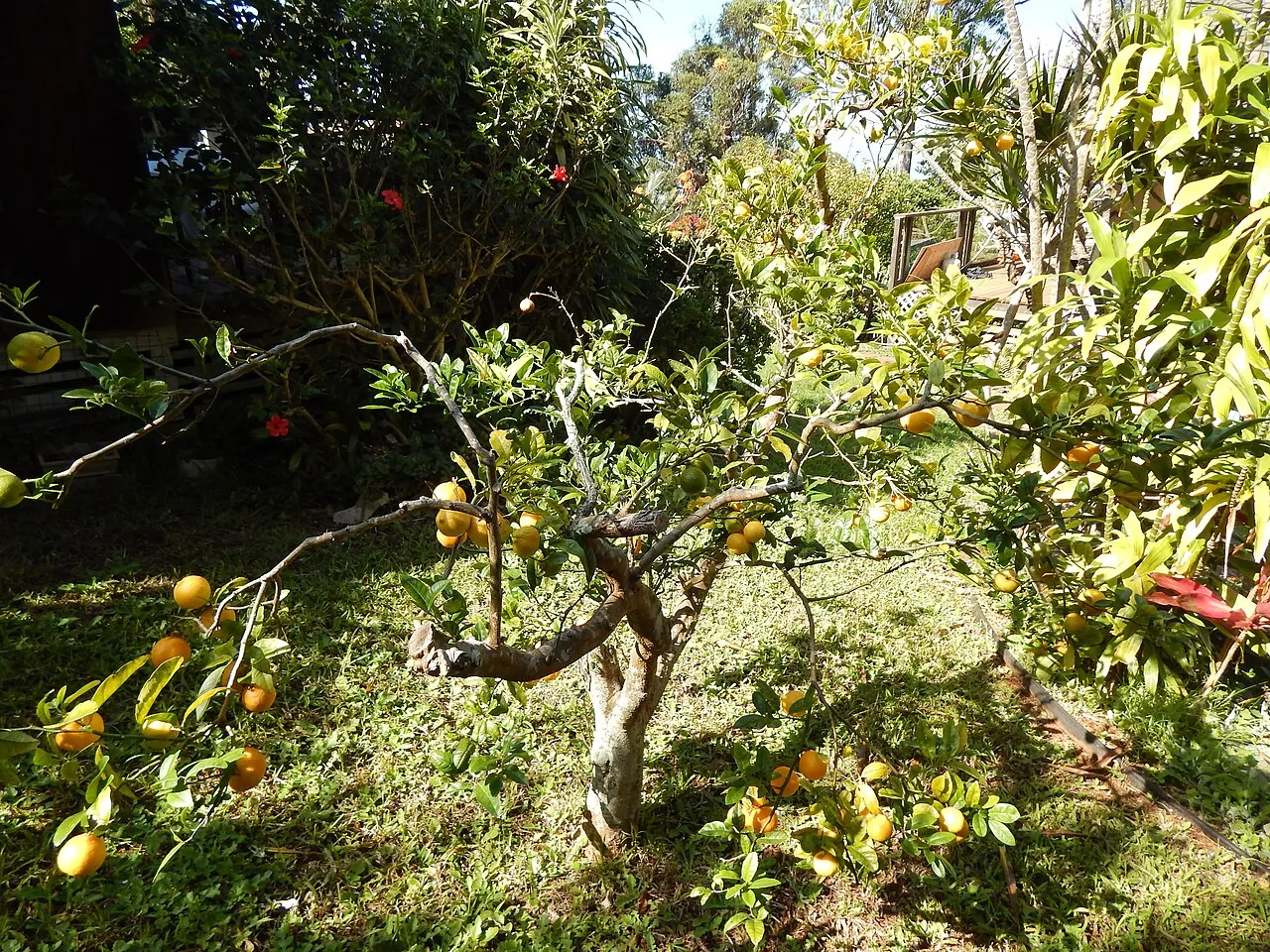
Rangpur trees grown from seed in Hawaiʻi take about four to six years to bear fruit. They need soil that drains freely and won’t tolerate being waterlogged. The fruit is picked when its rind turns orange, the colour that makes it look like a mandarin orange.
When and where you'll find it
At Riverside in Southern California, the main crop usually ripens in winter and early spring. In Hawaiʻi, where the tree reportedly arrived in the 1880s, it has been kept for its fruit since the early 1920s. The whole fruit provides both juice for cooking and zest for desserts.
Sources · 6
- Frog Hollow Farmfroghollow.com
- Morton, Fruits of Warm Climates (1987)hort.purdue.edu
- National Horticulture Board, Indianhb.gov.in
- UC Riverside Citrus Variety Collectioncitrusvariety.ucr.eduOther pages2
- University of Hawaiʻi CTAHRgms.ctahr.hawaii.edu
- USDA APHIS Citrus ID, citing Florida’s Chiefland Budwood Facilityidtools.org
Get it near Detroit
What it tastes like
Rangpur lime has abundant juice, a lime-like rind aroma and strong acidity.
Rangpur lime has abundant juice, a lime-like rind aroma and strong acidity.
One selection, the Weirick accession, is acidless and very sweet - an exception to the usual acidic Rangpur lime.
Choose, store, eat
1ChooseOrange when harvested
Look for
- Orange when harvested
Harvest when the fruit is orange. It is often mistaken for a tangerine, so don't expect it to taste sweet.
2StoreFreezer, juice
- FreezerJuice
Freezing the juice is a way to keep it for later use.
3EatJuice, Zest
Eat
JuiceZestThe juice and zest are used in both savory and sweet cooking.
Detroit, Michigan
When it’s good hereUsual monthsJust arrivedAt their bestLast chanceAll yearWhere it is in its usual monthsToday, Oct 22Grown hereIn season in your stateShips fromIn season where it grows
7 varieties
- No variety photo yetBishop red
- No variety photo yetBorneo red
- No variety photo yetKusaie
- No variety photo yetLimoui Sangui
- No variety photo yetOtaheite acidlessAlso Otaheite orange, Othaheite acidless Rangpur lime
- No variety photo yetPhilippine red
Cook it
Strange but trueHistoryScienceWhere the name came fromFood and drink
Sources
Photos · 3
Sources
Rangpur lime · Fruitopia · checked Sep 22, 2026