Piquia
Caryocar villosum · Caryocaraceae family
Piquia is a forest fruit whose aromatic pulp is often cooked. The useful food lies close to a hard, spiny seed covering, so familiarity with its preparation matters more than resemblance to another yellow-fleshed fruit.
Find it near DetroitGet to know it
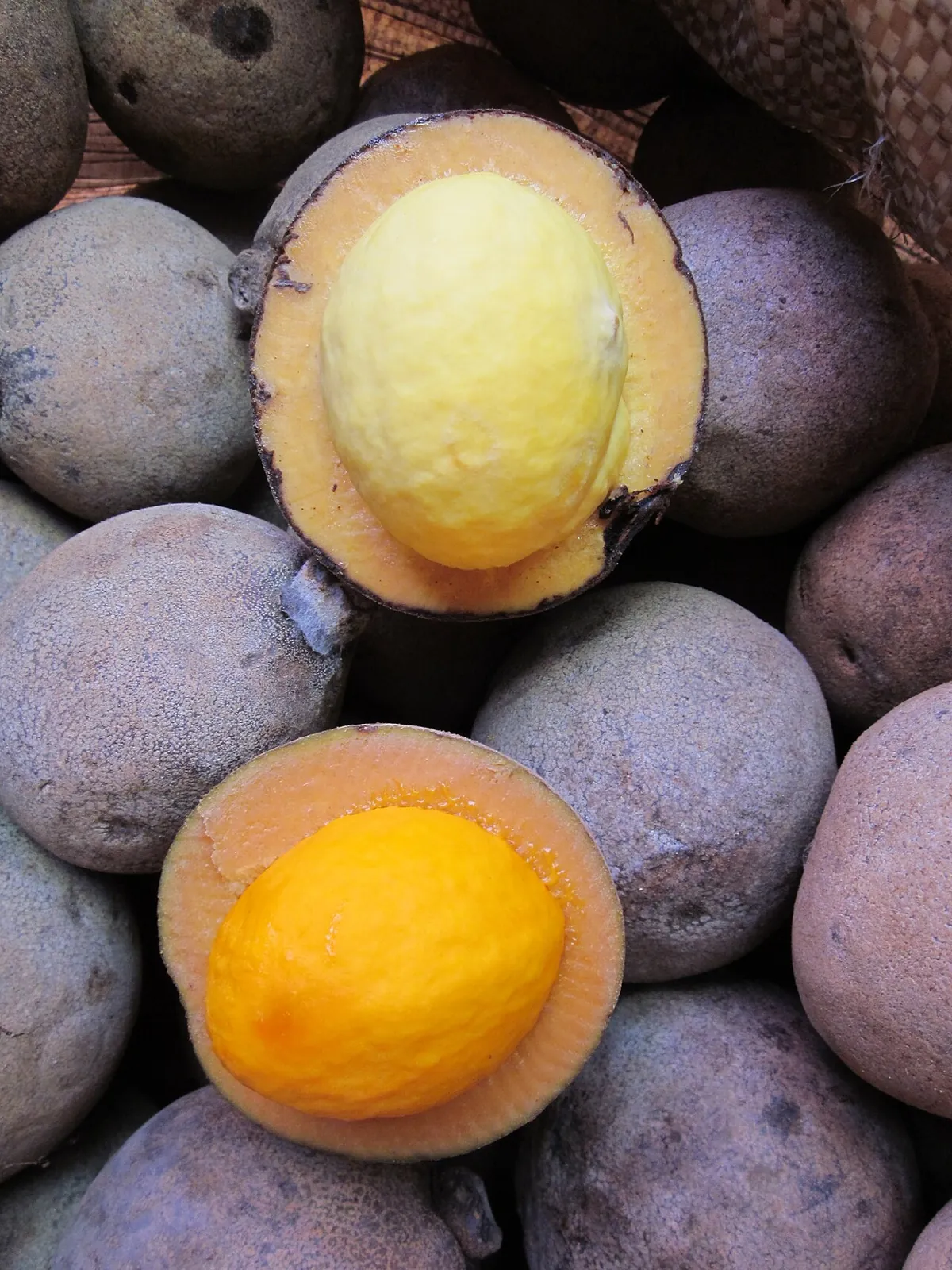
Piquiá is an Amazonian forest fruit with aromatic, oily yellow flesh that is usually boiled before eating. A rough brown-green rind hides the pulp, and a layer of sharp spines lies beneath the pulp. The soft white kernel inside has its own almond-like flavour.
What it is
The fruit is irregularly rounded, with a rough rind and tender yellow flesh. Its botanical name is Caryocar villosum. The soft, oily pulp and the kernel are separate foods: the flesh is cooked, while the kernel can be roasted.
The layer directly under the pulp has sharp, slender spines, so bite into the cooked flesh carefully. The kernel lies further inside, within the stone beneath that spiny layer.
Where it comes from
Piquiá grows across Amazonia, and it is most concentrated in the upland forests of the estuary region of Pará, in northern Brazil. It belongs to Pará's traditional food culture. Almost all the fruit is gathered straight from native forest.
How it's eaten where it grows
On Marajó, in Pará, cooked piquiá is eaten with farinha-d’água. It also goes into pâtés and stews with free-range chicken, and the kernels are eaten roasted.
A simple preparation is to boil the pulp in salted water. Oil from the pulp is used in cooking too, especially for frying fish.
How it's grown
The piquiazeiro is a large forest tree, reaching 20–45 m (66–148 ft). Seedlings grow poorly in shade, so seeds do best in clearings or openings in the canopy. A tree often skips a crop, resting for a year before producing again. Because young trees grow fast, piquiá can be worked into agroforestry plantings.
When and where you'll find it
In the Pará estuary, piquiá usually fruits from February through April, following flowers from August through October. In 2004, Belém’s 28 major open-air markets sold about 343,000 piquiás, 108,000 of them at Ver-o-Peso. To draw customers, merchants sometimes open the thick rind to show the golden flesh inside.
Get it near Detroit
What it tastes like
The pulp is aromatic, yellow and slightly sweet; the kernel inside has a separate, almond-like flavor.
The pulp is aromatic, yellow and slightly sweet, and is usually cooked before eating.
Some describe its aroma as closer to rancid butter.
Choose, eat
1ChooseLook for a correctly identified product, ideally from someone familiar with preparing it
Look for a correctly identified product, ideally from someone familiar with preparing it.
2EatCooked yellow pulp · not hard spiny stone
Eat
Cooked yellow pulpNot eaten
Hard spiny stoneThe cooked yellow pulp is served with farinha; keep the hard, spiny stone beneath it separate from what you eat.
Detroit, Michigan
When it’s good hereUsual monthsJust arrivedAt their bestLast chanceAll yearWhere it is in its usual monthsToday, Oct 22Grown hereIn season in your stateShips fromIn season where it grows
1 growing area, 1 countryUsual monthsToday, Oct 22

- Pará
- You
0 of 1 areas · October
In northern South American forests, piquia is gathered locally for its fruit, seeds and edible oil.
Cook it
Strange but trueA record
Sources
Photos · 2
Renan ChistéPublic domain 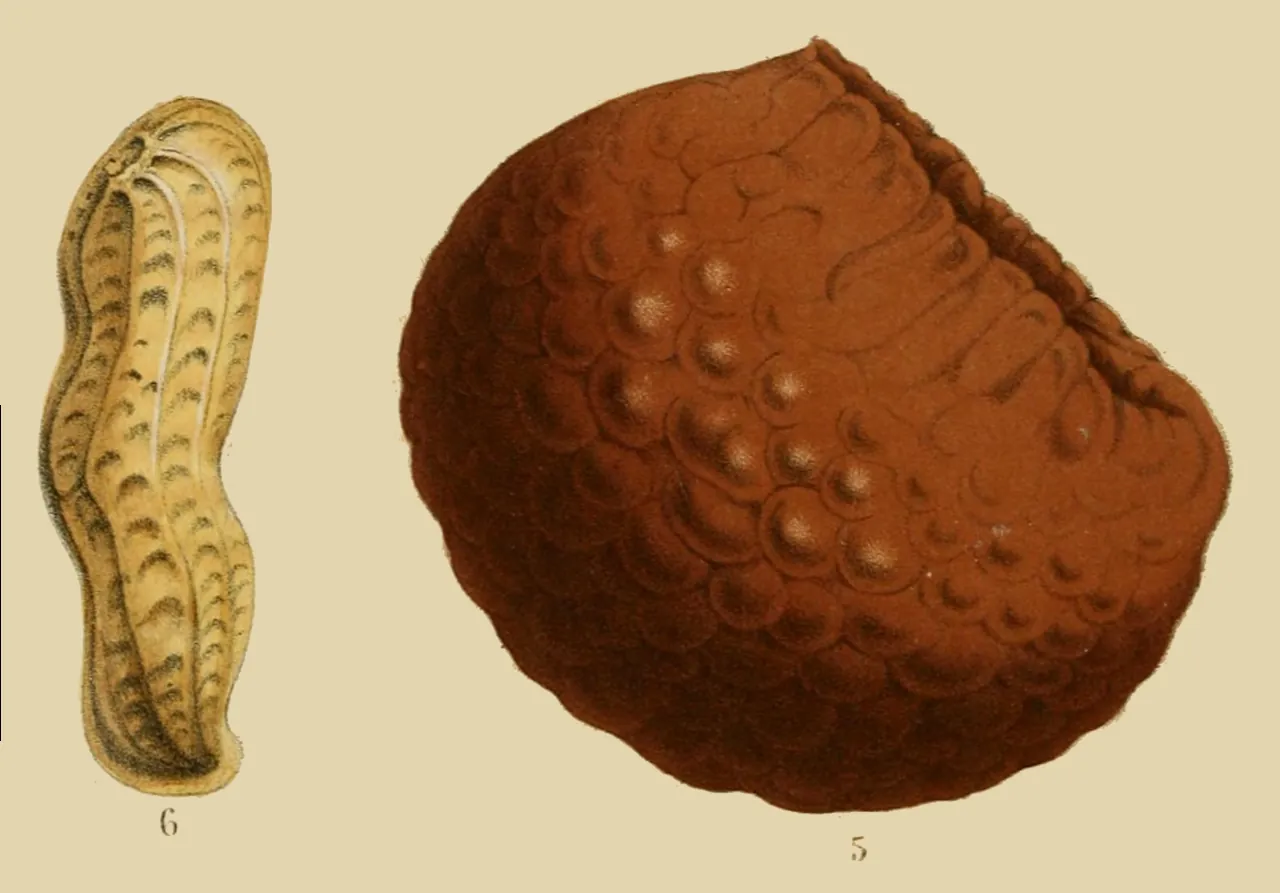
Auteur inconnuPublic domain
Sources
Piquia · Fruitopia · checked Sep 22, 2026
What we don't know yet
One galinhada recipe labels its oil pequi in the ingredients but piquia in the method - the two names shouldn't be assumed interchangeable.