Pequi
Caryocar brasiliense · Caryocaraceae family
A strongly aromatic yellow fruit with deep food traditions in Minas Gerais, where good fruit is known by tree and household rather than a supermarket grade.
Find it near DetroitGet to know it
Pequi brings a strong, distinctive aroma to rice and chicken in Brazil’s Cerrado. Its yellow flesh surrounds a spiny stone, and it also gives an oil, azeite de pequi. In Pontinha, Minas Gerais, cooks favour sweeter fruit with a generous layer of pulp.
What it is
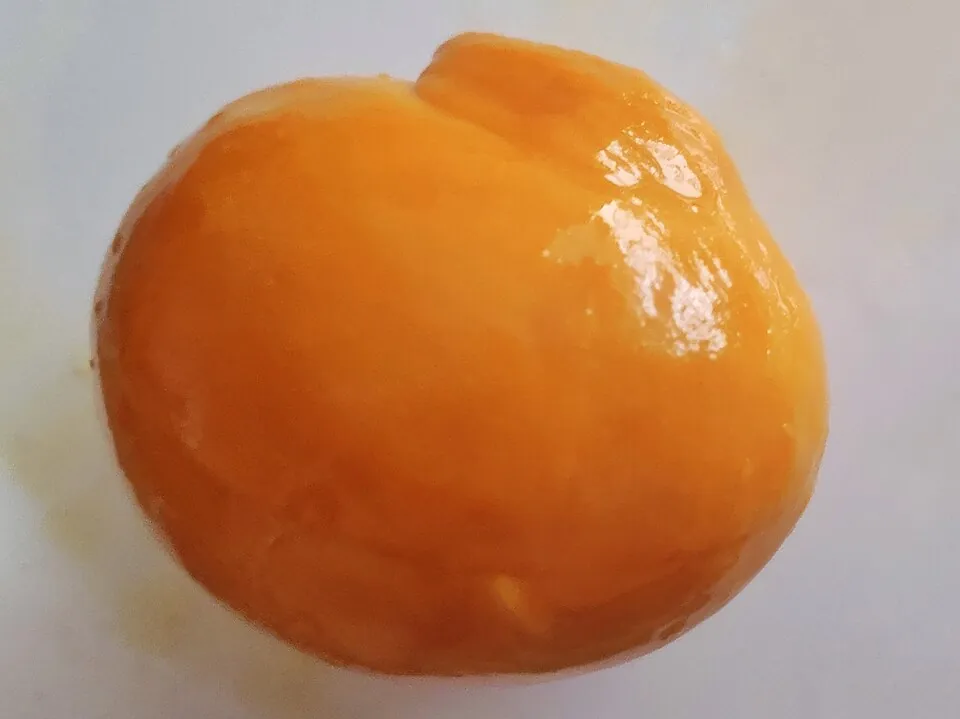
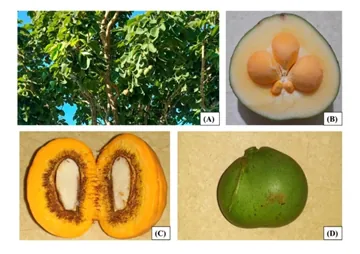
A ripe pequi is about the size of an orange, with greenish skin and usually one to four yellow, fleshy sections inside. Each surrounds a stone covered in sharp spines. The edible pulp is on the outside of that stone; do not bite into it.
Fruit differs from tree to tree. In Pontinha, sweet, fleshy fruit goes into food, while bitter fruit is set aside for making soap.
Where it comes from
Pequi is Caryocar brasiliense, a native tree of Brazil’s Cerrado, found across states including Goiás, Mato Grosso, Minas Gerais and Tocantins. The similarly named Amazonian piquiá belongs to a different species, Caryocar villosum.
In the quilombola community of Pontinha, in central Minas Gerais, families gather pequi from the surrounding Cerrado and from backyards. Trees known for good fruit are named by the house nearest them.
How it's eaten where it grows
In Brazil’s sertanejo (backcountry) cooking, pequi is cooked on its own or with rice and chicken. In Pontinha it goes into rice and chicken, or is simply cooked with salt. Its strong aroma carries into the dish, and the fruit also gives an oil, azeite de pequi.
The same community also uses pequi in sweet rice, cakes, cheese dishes and ice pops called chup chup.
How it's grown
The tree can exceed 10 m (33 ft), growing in bright sites with deep soil that drains well. It suits a climate with a clear dry season. Its pale flowers produce scent and nectar at dusk, and bats carry pollen between them. In Pontinha, people say a tree takes 3 to 20 years to start fruiting, and they gather from backyard trees as well as the surrounding Cerrado.
When and where you'll find it
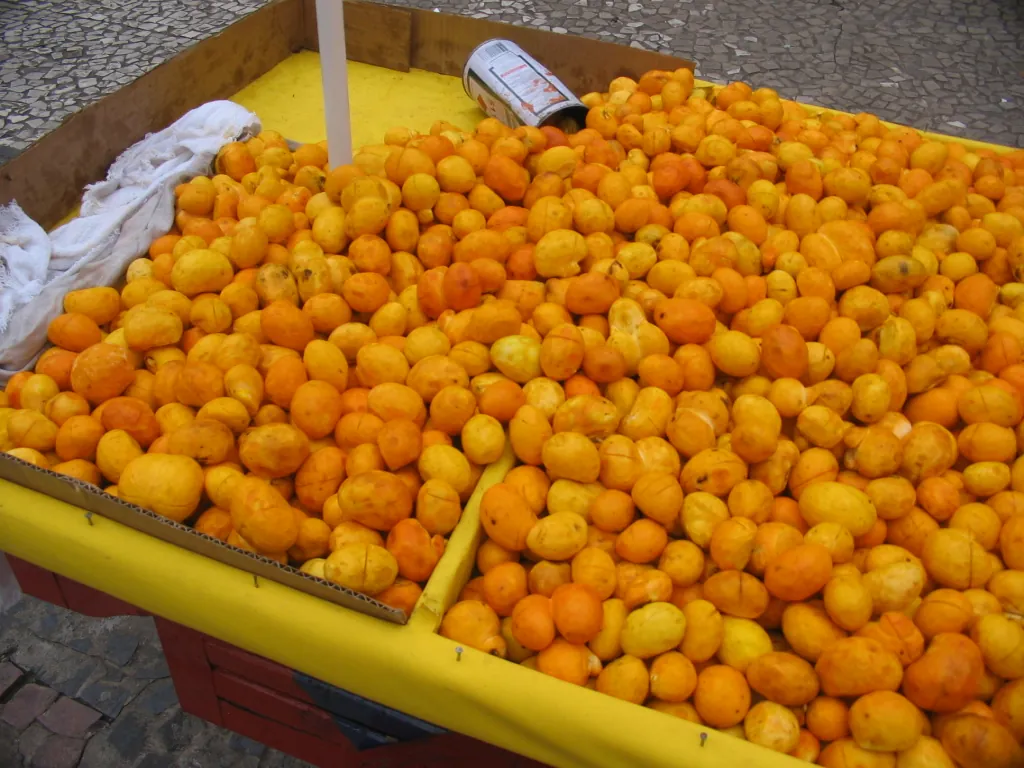
In Pontinha, pequi usually fruits from October to January. Some other parts of Minas Gerais have their usual peak in December and January. Prepared pulp gives it another form beyond the fresh harvest.
In Brazil, pequi pulp also comes packed in brine: one 140 g pack of Pequi de Minas pulp holds the pulp with water, salt, citric acid and sodium benzoate, and is cooked for 15 minutes before eating.
Get it near Detroit
What it tastes like
In Pontinha, Minas Gerais, cooks favor sweeter, fleshier pequi for cooking and set bitter fruit aside for soap-making; pulp amount, shell appearance and intended use all factor in.
Pequi has a strong, distinctive flavor and aroma that first-time tasters don't always find pleasant.
In Pontinha, sweeter fruit with more pulp is favored for cooking; bitter fruit goes to soap production.
Choose, eat
1ChoosePulp quantity
Look for
- Pulp quantity
Ask the seller how the pequi is meant to be used, and whether it's whole fruit, prepared pulp or another product. Local buyers judge pulp quantity as well as flavor.
2EatPulp · not spiny stone
Eat
PulpNot eaten
Spiny stonePequi is cooked into dishes like rice and chicken. Its stone is spiny and can injure the mouth - keep the edible pulp distinct from it.
Detroit, Michigan
When it’s good hereUsual monthsJust arrivedAt their bestLast chanceAll yearWhere it is in its usual monthsToday, Oct 22Grown hereIn season in your stateShips fromIn season where it grows
11 names in 8 languages
- Pequi, o fruto do cerradoPortuguese
Cook it
2 pequi festivalsUsual monthToday, Oct 22
Strange but trueHistoryNatureWhere the name came fromCustoms and cultureFood and drinkPeople
Sources
Sources
Pequi · Fruitopia · checked Sep 22, 2026