Oregon grape
Also called Oregon grapeholly · Holly-leaved barberry · Tall mahoniaMahonia aquifolium · Berberidaceae family
Oregon grape's blue fruit clusters and holly-like leaves offer two familiar-looking clues, yet the plant belongs to neither the grape nor holly family. Its fruit is more often introduced through a prepared jelly or drink than as a sweet table grape.
Find it near DetroitGet to know it
Oregon grape bears clusters of dusty blue berries among glossy, prickly leaves. Its fruit is tart and bitter, but cooks turn it into jelly or a rich lemon-and-berry curd. The evergreen shrub belongs to the barberry family.
What it is
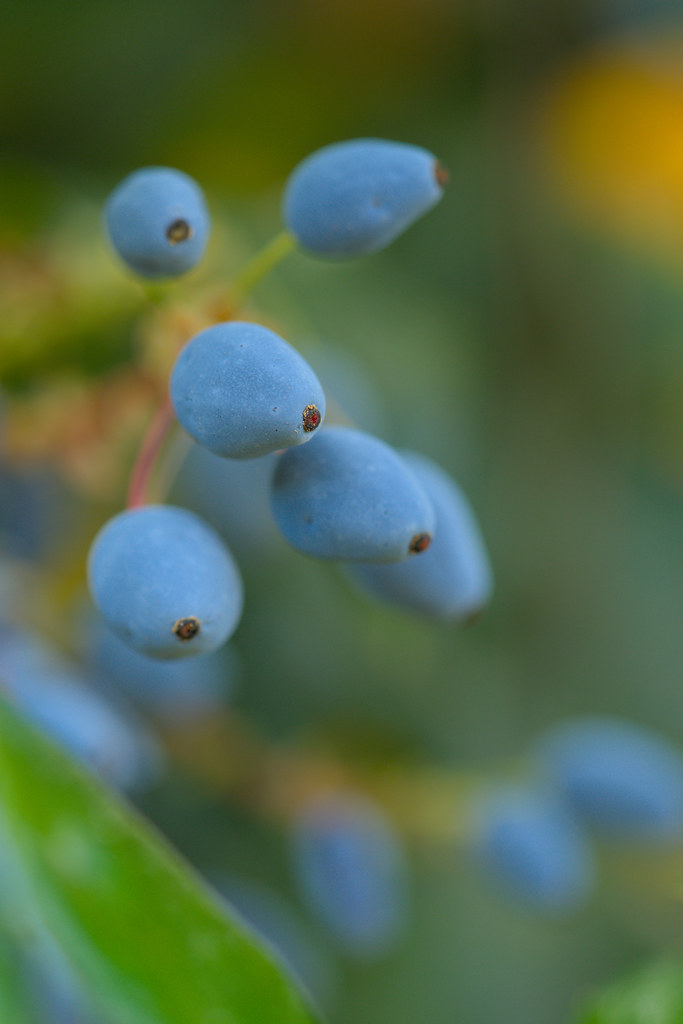
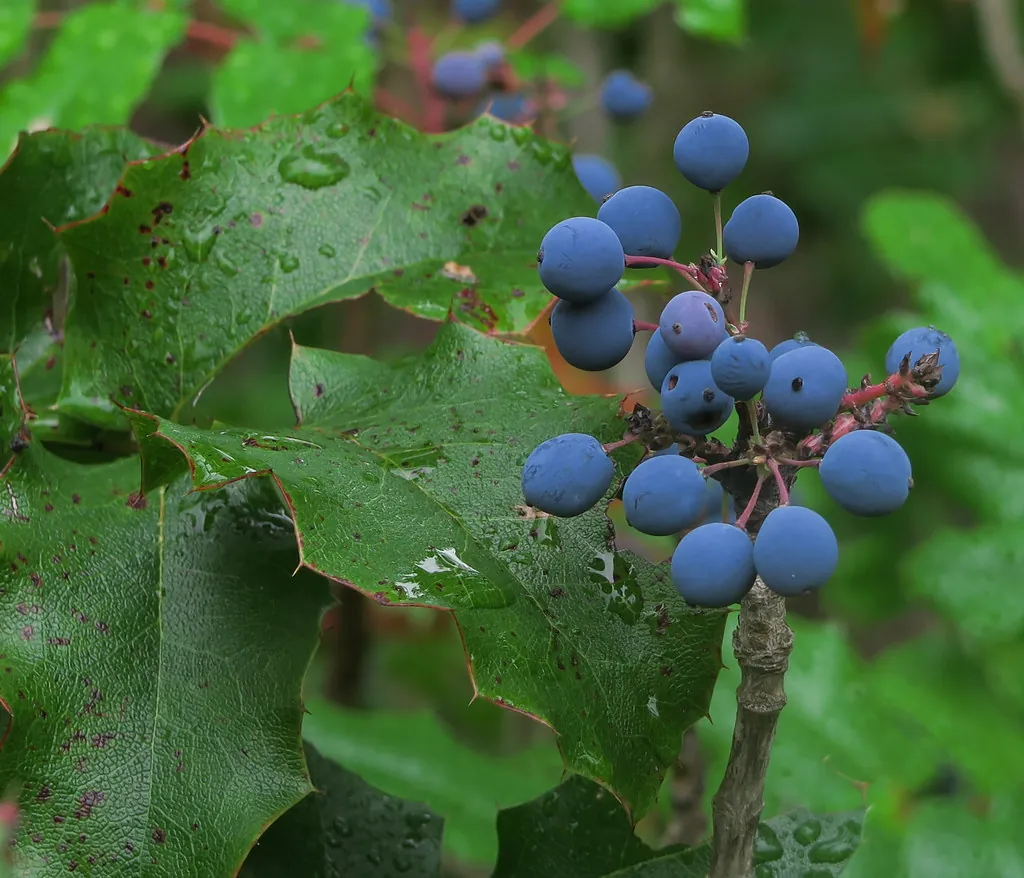
Tall Oregon grape is Mahonia aquifolium, also named Berberis aquifolium. Its round blue berries measure about 0.7–1.4 cm (¼–½ in) across, with a dusty coating and a few large seeds inside. The leaves have the glossy surface and spiny edges of holly. The berries are used as food, though they can upset some people’s stomachs; the bark, leaves, roots and sap are not food.
Where it comes from
This shrub grows along the Pacific side of North America, from southern British Columbia through Washington and Oregon to California. It lives in woods, thickets and more open ground, and is common under open Douglas-fir forests in British Columbia. Oregon named it the state flower in 1899. The plant keeps its leaves year-round.
How it's eaten where it grows
In British Columbia, First Nations ate the berries mixed with salal or other sweeter fruit. Jellies, preserves and wine are made from them too. Modern cooks also give the sharp juice sweetness and richness. Devon Young’s Oregon-grape and lemon curd combines crushed berries with lemon juice and zest, sugar, eggs and butter.
A fine sieve removes the seeds and other solids after cooking. The smooth curd can fill a tart with a graham cracker crust, spread between layers of cake or sit on shortbread. It can also be frozen for later.
How it's grown
The shrub usually grows about 0.9–1.8 m (3–6 ft) tall and slowly spreads by sending up new stems from its roots. It tolerates shade, and established plants tolerate dry conditions. Its evergreen leaves, showy yellow flowers and blue fruit make it a popular landscaping shrub for borders.
When and where you'll find it
In British Columbia, tall Oregon-grape berries usually ripen from mid-July through August. Jelly offers a prepared way to taste Oregon grapes, but the name also covers related plants. Forest for Dinner’s online wild-food shop lists a jelly made from fruit gathered on Vancouver Island; that jar uses Mahonia nervosa, a different species from the tall Oregon grape described here.
Get it near Detroit
What it tastes like
Oregon-grape berries are tart, bitter and seedy; cook Devon Young's lemon-and-berry curd balances that intensity with eggs and butter.
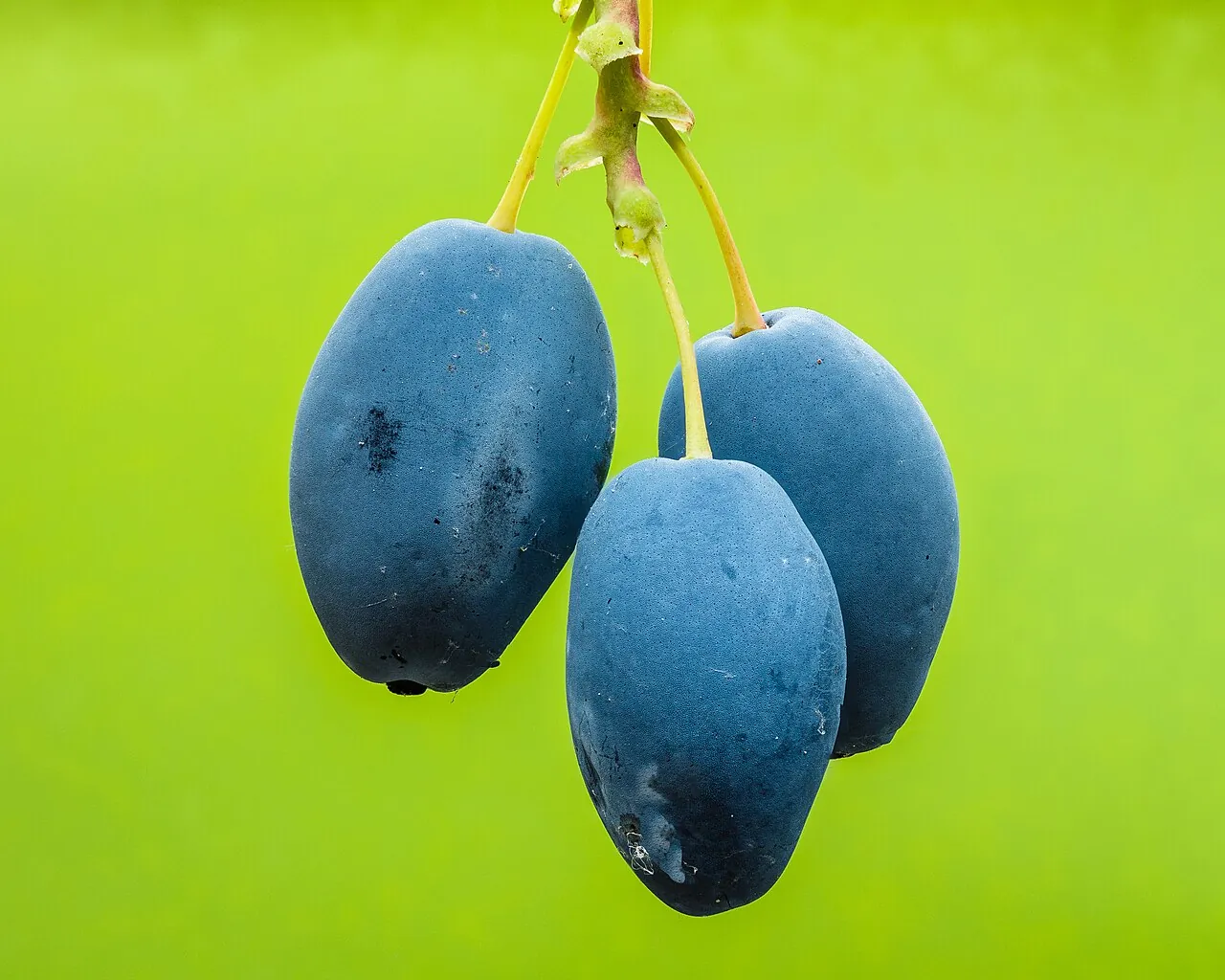
Oregon grape berries are small, round, dark-blue to black, borne in clusters, with a dusty surface appearance.
Mahonia berries are generally described as sharp and acidic across the genus, though that's not a taste test specific to this species.
Choose, eat
1ChooseFor a curd, pulse the berries only until juice begins to release, then strain the cooked mixture — this separates out the seeds rather than treating the berry's texture as a flaw
For a curd, pulse the berries only until juice begins to release, then strain the cooked mixture — this separates out the seeds rather than treating the berry's texture as a flaw.
2EatBerries · not bark, leaves, roots, sap
Eat
BerriesNot eaten
BarkLeavesRootsSapThe berries are used in jelly and wine, though eating them can cause stomach upset in some people. The bark, leaves, roots and sap are not food.
Detroit, Michigan
When it’s good hereUsual monthsJust arrivedAt their bestLast chanceAll yearWhere it is in its usual monthsToday, Oct 22Grown hereIn season in your stateShips fromIn season where it grows
31 names in 10 languages
Cook it
Strange but trueHistoryScienceWhere the name came from
Sources
Sources
Oregon grape · Fruitopia · checked Sep 22, 2026
- aranchmom.com
- depts.washington.edu
- flickr.com
- goert.ca
- nittygrittylife.com
- plants.ces.ncsu.edu
- rhodygarden.org
What we don't know yet
The garden mentioned is for observation — check locally whether picking is allowed and whether fruit is currently present.