Mundu
Also called Maphuut · GourkaGarcinia dulcis · Clusiaceae family
A yellow Garcinia with juicy sour flesh and a place in fresh fruit, sherbets and preserves.
Find it near DetroitGet to know it
Mundu is a soft-skinned yellow fruit with juicy, sour pulp around large brown seeds. Also called yellow mangosteen, it is eaten fresh or made into sherbets and preserves, and one Thai cook pounds it into a salad with lotus shoots and grilled prawns.
What it is
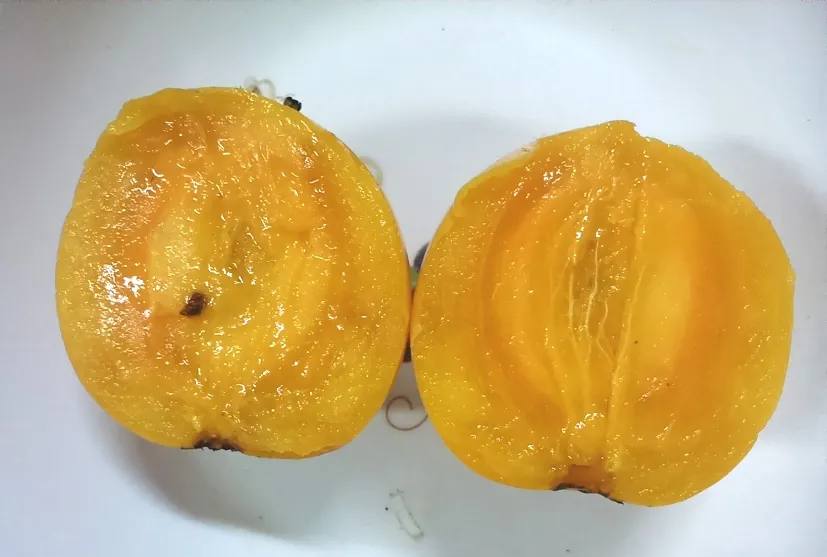
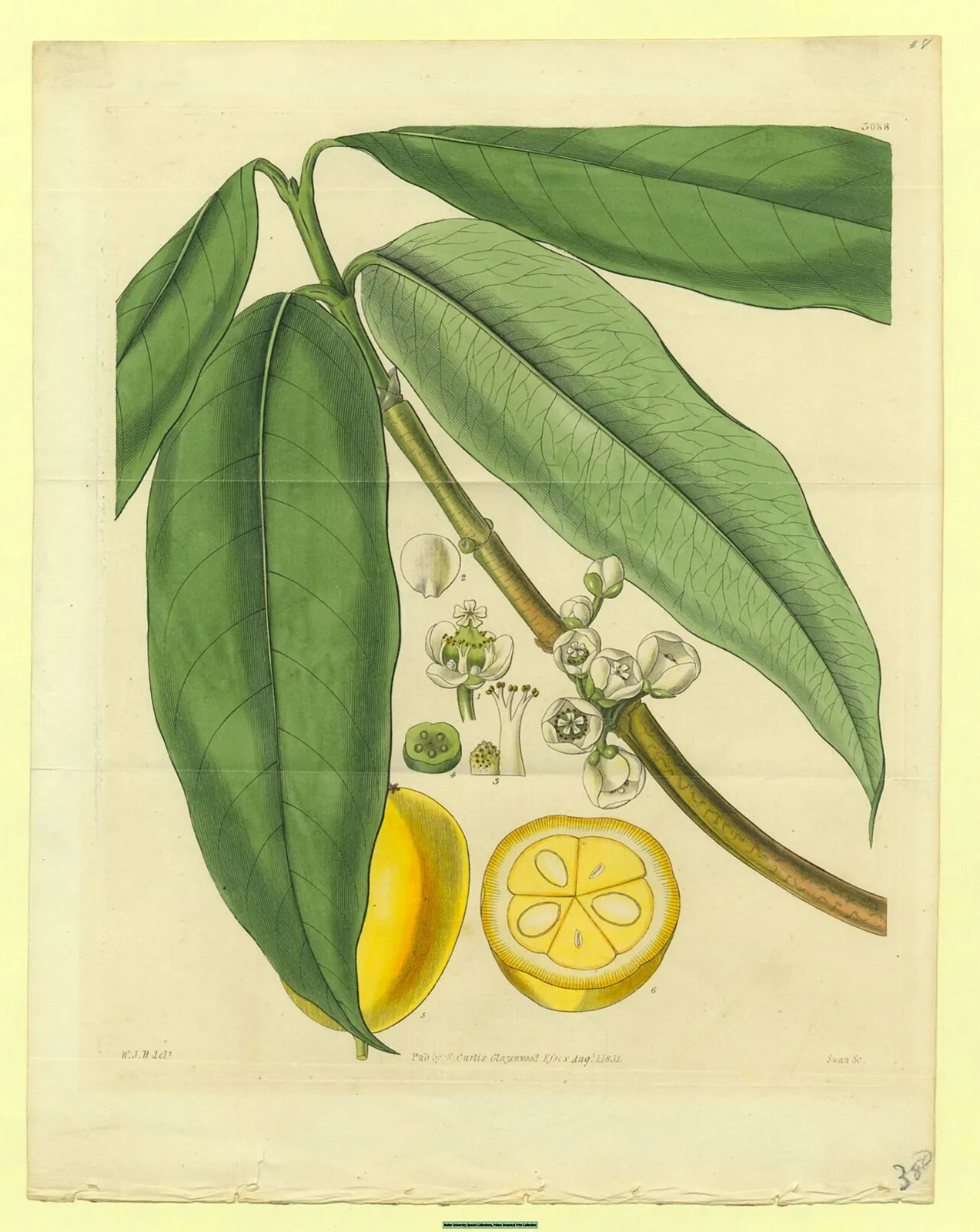
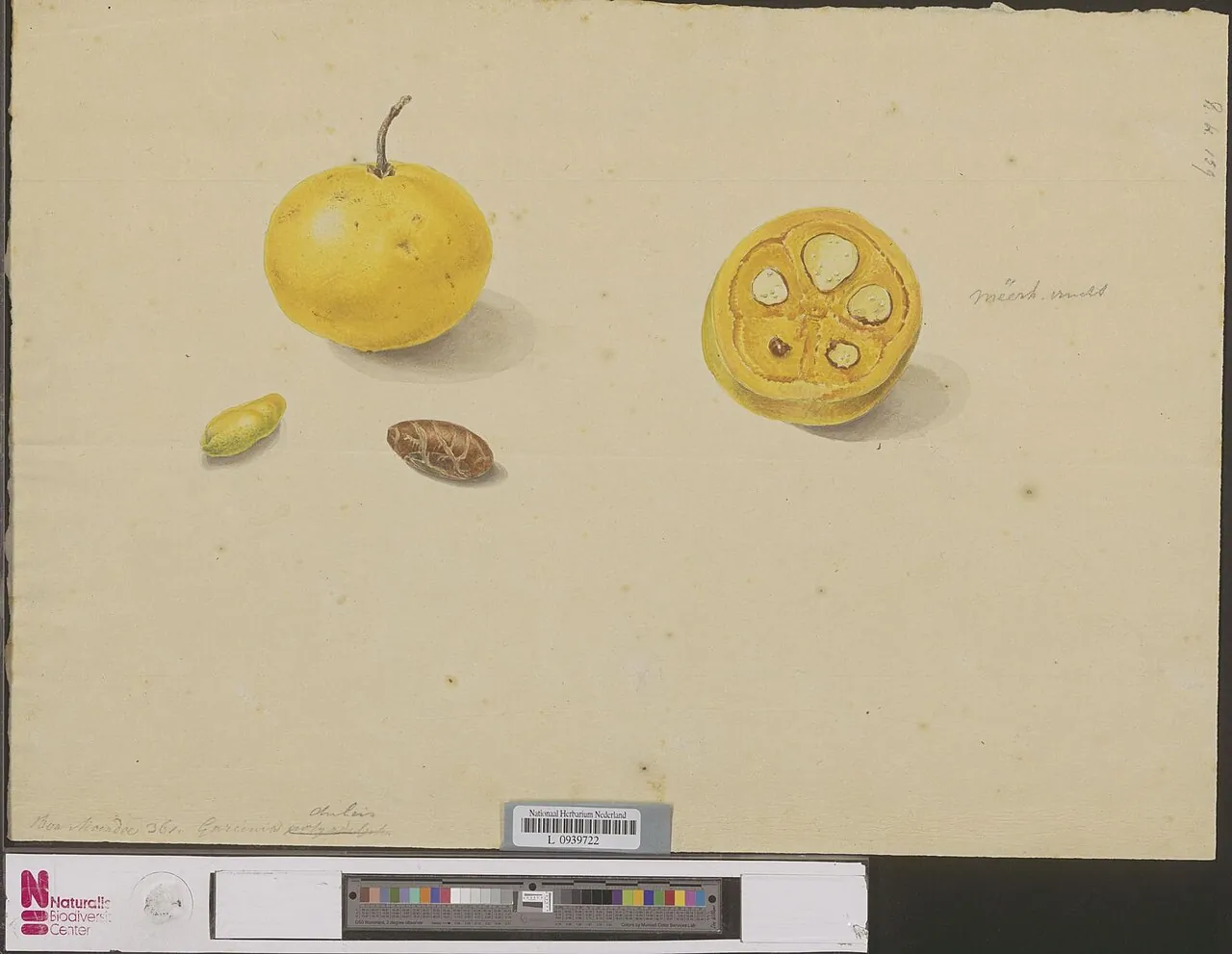
Mundu, Garcinia dulcis, is also called yellow mangosteen or ma-phut. Its round fruit measures 5–8 cm (2–3 in) across and comes to a slight point. The skin is thin and soft, with pale yellow pulp around one to five seeds. Each seed is about 2.5 cm (1 in) long.
Sour fruit is common, but the trees differ. In Damrong’s garden in Thailand, some bear sharply sour fruit, others sweet-sour fruit, and others sweet fruit.
Where it comes from
Mundu’s home includes India’s Andaman and Nicobar Islands, the Philippines, Peninsular Malaysia, Java and Kalimantan. It is also grown elsewhere in Southeast Asia, though rarely beyond the region. The names change with the place: mundu in Indonesia and Malaysia, baniti in Tagalog and ma-phut in Thailand.
How it's eaten where it grows
In Thailand, where it's called ma-phut, most people eat it fresh. At Damrong’s ma-phut garden in Bueng Bon, Pathum Thani, a cook turned it into new dishes. One is a som tam-style salad: shredded mundu pounded with chilli, garlic and long beans, then joined by lotus shoots, dried fish and grilled prawns. Tamarind, fish sauce and shrimp paste season it.
A frozen dessert uses the same fruit three ways: jam on the bottom, fruit cooked in jasmine-scented syrup above it, and scraped ma-phut ice, or granita, on top.
How it's grown
Mundu grows into a tree up to 13 m (43 ft) tall, with a short brown-barked trunk. Its leaves shine dark green above and are usually hairy underneath. Male and female flowers generally grow on separate trees, though some flowers contain both parts. Growers raise it from seed in fertile, well-drained soil.
When and where you'll find it
In Indonesia, mundu usually fruits in October and November. At Damrong’s Thai garden, new flowers can appear while the older crop is still hanging. Fresh mundu is a locally traded fruit in Southeast Asia; its pulp also goes into jam, preserves and sherbet.
Get it near Detroit
What it tastes like
Mundu has juicy, sour pulp.
Mundu has juicy, sour pulp.
Mundu's taste ranges from mildly sour to sweet.
How to buy it
1EatPeel, Pulp · not raw seed
Eat
PeelPulpNot eaten
Raw seedBoth peel and pulp are eaten. Seed fat mentioned elsewhere isn't an instruction to eat the raw seed.
Detroit, Michigan
When it’s good hereUsual monthsJust arrivedAt their bestLast chanceAll yearWhere it is in its usual monthsToday, Oct 22Grown hereIn season in your stateShips fromIn season where it grows
8 names in 5 languages
Cook it
Strange but trueCustoms and culture
Sources
Photos · 3
Sources
Mundu · Fruitopia · checked Sep 22, 2026
What we don't know yet
A November date shown alongside one crop listing is a calendar layout, not a confirmed harvest month.
G. vilersiana, an older name sometimes seen for this fruit, is now treated as a synonym of Garcinia dulcis.