Lovi-lovi
Also called Batoko plumFlacourtia inermis · Salicaceae family
A sour red fruit used more often in preserves than eaten fresh as a dessert.
Find it near DetroitGet to know it
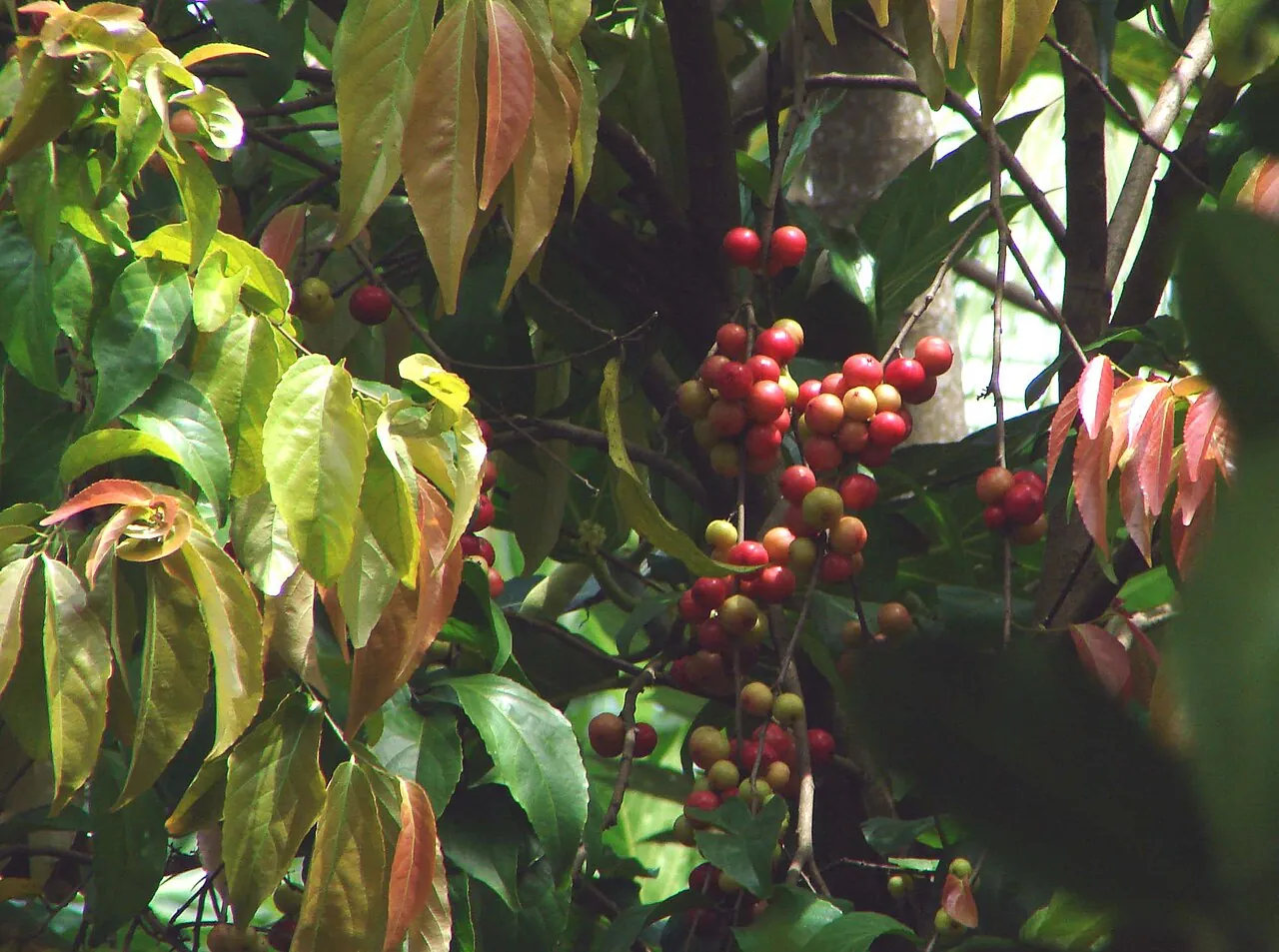
Lovi-lovi looks like a little red cherry, but its sharp, sour bite belongs in a pickle or a pan of jelly. Also called Batoko plum, it turns up in Sri Lankan kitchens as a sugar-coated sweet, a curry souring ingredient and homemade wine.
What it is
The round fruit measures 2–2.5 cm (¾–1 in) across. Under its smooth, thin red skin, the flesh is whitish with a blush of pink. Each fruit holds 4–14 small, hard seeds with sharp edges, removed before cooking.
Green fruit turns red to reddish purple as it matures. That cherry-like colour comes with a much sharper taste: lovi-lovi is strongly acidic, and much of its kitchen life is in syrups, jellies and pies.
Where it comes from
Lovi-lovi’s exact origin is unknown. It is widely grown across India, Southeast Asia and New Guinea, including Malaysia and Indonesia. In Sri Lanka it is mainly a home-garden tree, found around the country below the high elevations. It is also sometimes grown for fruit in Puerto Rico and the Virgin Islands.
How it's eaten where it grows
In Sri Lanka, cut lovi gets a sprinkling of salt and chilli powder for a sour snack. Lovidosi goes the other way: the fruit cooks in sugar syrup until coated with sugar. Small pieces also give meat, fish and vegetable curries their acid edge.
Brining and sun-drying preserve the fruit for later cooking. Another home tradition puts lovi into wine, prepared in the months before Christmas.
How it's grown
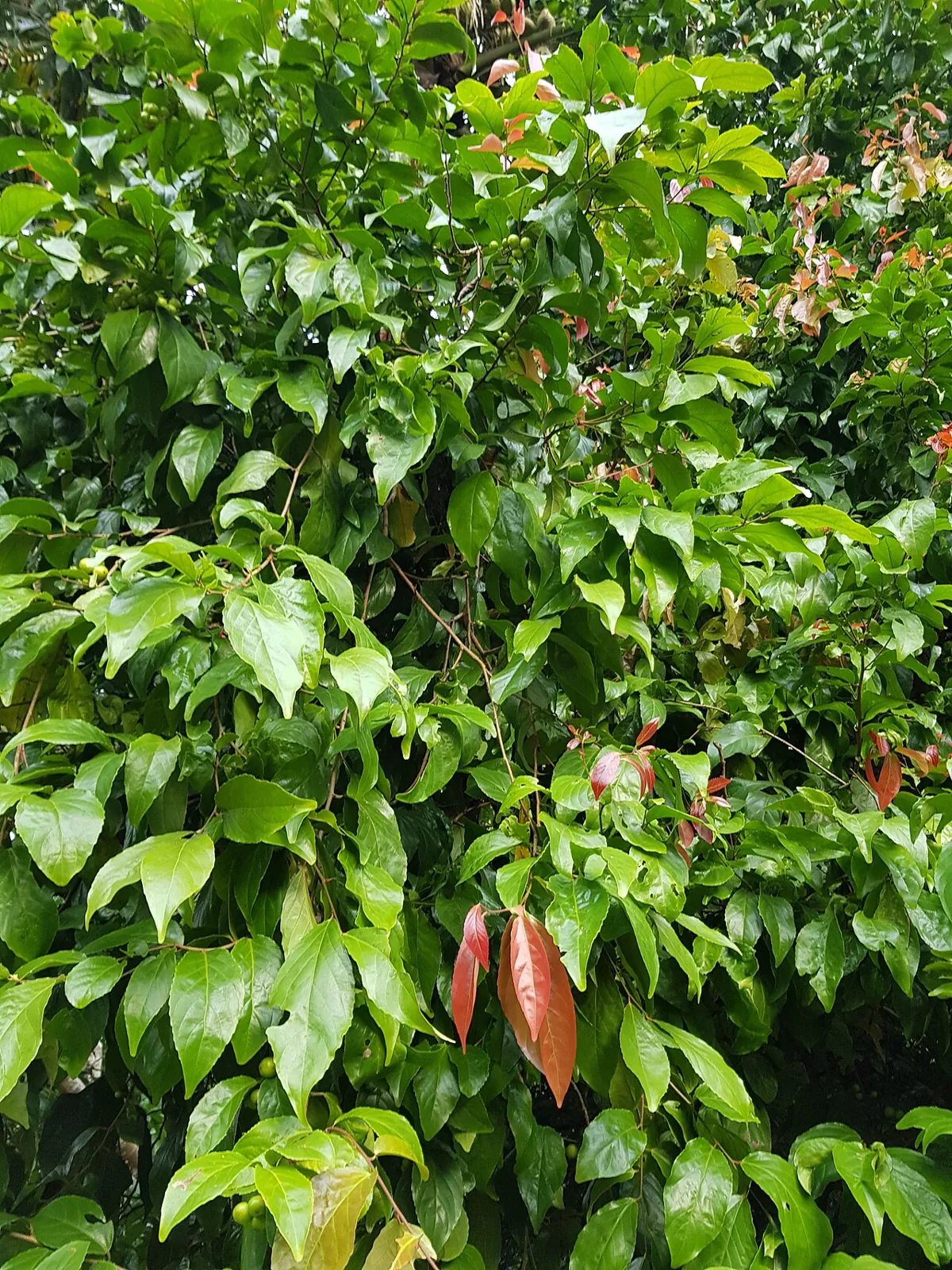
The thornless, evergreen tree puts out bright-red young leaves. It grows best in full sun and moist soil that drains freely; waterlogged ground suits it poorly. In Malaysia, growers raise it from seed. In Java, budding and air-layering are used, rooting a branch while it is still attached to the tree.
When and where you'll find it
In Sri Lanka, home-garden trees usually give two crops a year, in May–June and November–December. In Malaysia, trees bear several times a year, with the largest crop usually in June and July. Fresh lovi keeps only two or three days at room temperature; preserves, syrup and dried fruit give it a longer kitchen life.
Get it near Detroit
What it tastes like
Lovi-lovi is strongly sour and acidic, and is usually processed rather than eaten raw.
Lovi-lovi is strongly sour and acidic, and is usually processed rather than eaten raw.
Choose, eat
1ChooseDeep red from yellow-green
Look for
- Deep red from yellow-green
Ignore
- Red color
Ripe lovi-lovi turns from yellow-green to deep red, but stays pronouncedly acidic even when fully ripe.
2EatFruit · not seeds
Eat
FruitNot eaten
SeedsLovi-lovi is used in pies, syrups, jellies and chutney. The fruit contains several small, stony, sharp-edged seeds that are not eaten.
Detroit, Michigan
When it’s good hereUsual monthsJust arrivedAt their bestLast chanceAll yearWhere it is in its usual monthsToday, Oct 22Grown hereIn season in your stateShips fromIn season where it grows
9 names in 6 languages
- lobi-lobiroot
Cook it
Strange but trueScience
Sources
Sources
Lovi-lovi · Fruitopia · checked Sep 22, 2026