Liposu
Also called Green rambaiBaccaurea lanceolata · Phyllanthaceae family
A sour Baccaurea fruit that works better as a cooking ingredient than a dessert.
Find it near DetroitGet to know it
Liposu is a sharply sour forest fruit that brings bite to meals in Sabah. Both its thick skin and translucent flesh are edible. Slices dipped in salt or sugar, tangy sambal and sun-dried pieces for cooking make use of that mouth-puckering flavour.
What it is
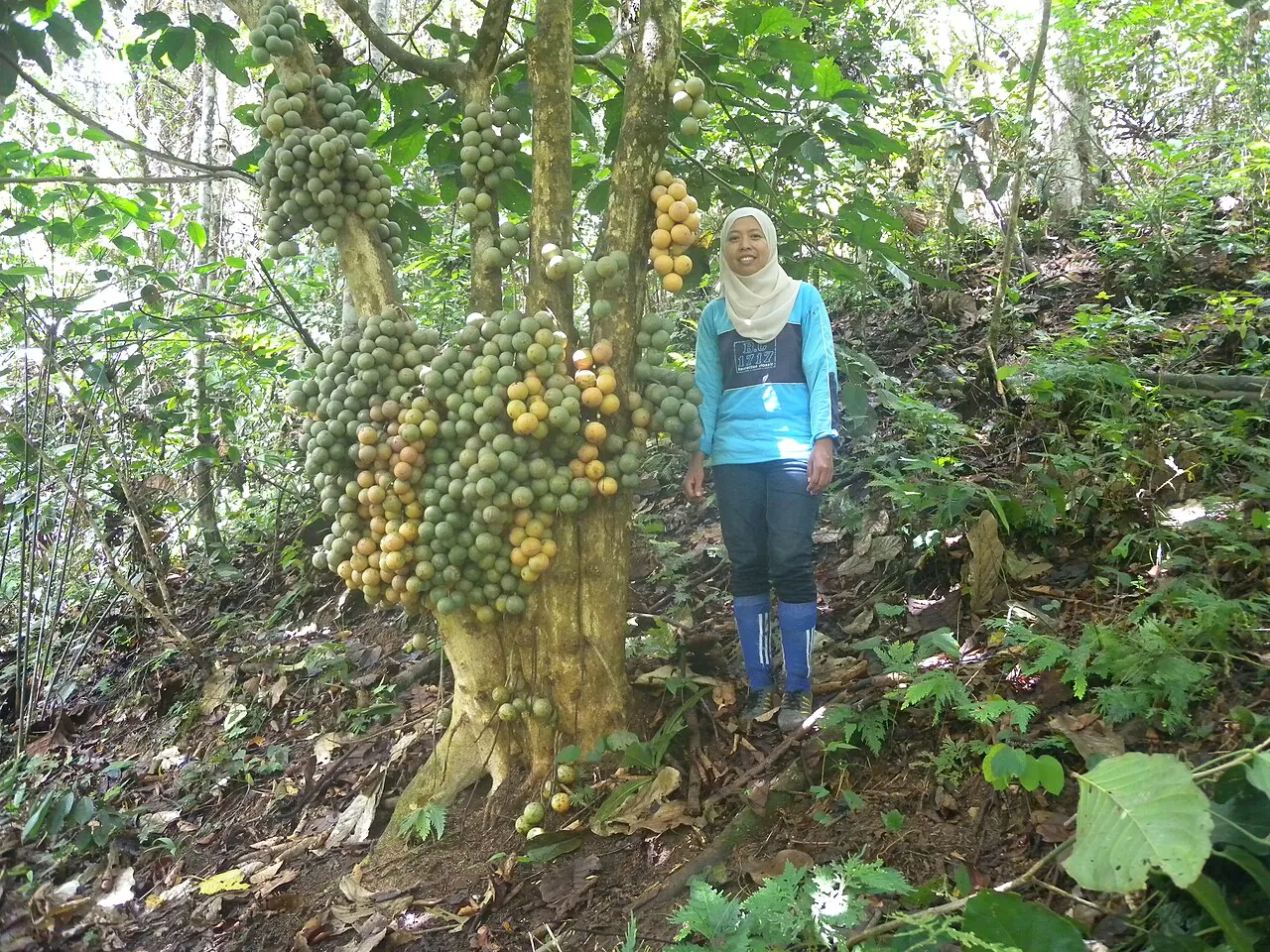
Liposu, Baccaurea lanceolata, has rounded to oval fruit that can measure about 3.8 by 6 cm (1.5 by 2.4 in). Inside are one to four seeds with translucent white flesh around them. The skin is purple or green when young and matures to shades from green and yellow to whitish or brownish. The flesh tastes strongly sour, with a little sweetness.
Where it comes from
Liposu grows across Southeast Asia, including Thailand, Peninsular Malaysia, Sumatra, northern Java, Borneo and Palawan. In Sabah, the Dusun people in particular make it into juice and dried slices. Trees grow wild near homes and in the neighbouring forest; one grows in the hill forest at Kiansom, Inanam.
How it's eaten where it grows
In Sabah, slices of liposu accompany rice and spicy fish, or are dipped in salt or sugar. Sambal liposu pairs the fruit’s sourness with chilli and dried anchovies; some preparations also use tuhau, a local wild ginger.
Dusun cooks also turn the fruit into juice and sun-dry slices for later cooking. In Sarawak, liposu accompanies chicken rice as well as going into the cooking pot.
How it's grown
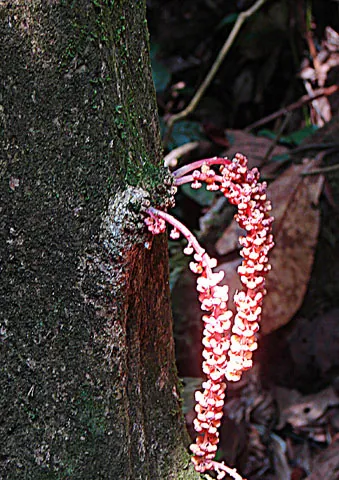
Liposu is a tropical forest tree with a dense crown, reaching up to 30 m (98 ft). It grows in humid lowland forest, including slopes and riverbanks. Much of the fruit comes from wild trees near homes rather than orchards. Fresh seeds can sprout within a few days, and fruit clusters form along the trunk.
When and where you'll find it
In Sabah, liposu can fruit throughout the year. It is traded at tamu, the local open-air markets, and also appears occasionally in traditional markets in South Aceh, Indonesia. Fresh fruit is used for eating and sauces; sun-dried slices keep its sourness available as a cooking ingredient. Many village harvests come from nearby wild trees.
Get it near Detroit
What it tastes like
Liposu (Baccaurea lanceolata) is an acidic, sour fruit, notably more sour than several other local Baccaurea species.
Liposu is an acidic, sour fruit, notably more sour than several other local Baccaurea species.
Choose, store, eat
1ChooseFruit color
Ignore
- Fruit color
A pale liposu is not necessarily immature, and a greener one will not necessarily sweeten after purchase.
2StoreIn Aceh, the fruit is cut and sun-dried for later cooking
In Aceh, the fruit is cut and sun-dried for later cooking.
3EatThick skin, Translucent flesh
Eat
Thick skinTranslucent fleshBoth the thick skin and the translucent flesh are eaten, with a strongly sour taste and a little sweetness. Locally, slices are dipped in sugar or salt.
Detroit, Michigan
When it’s good hereUsual monthsJust arrivedAt their bestLast chanceAll yearWhere it is in its usual monthsToday, Oct 22Grown hereIn season in your stateShips fromIn season where it grows
10 names in 5 languages
- lengsuroot
- ส้มหูกThai
- Pokok Rambai PuntianakMalay
Cook it
Strange but trueNatureCustoms and culture
Sources
Sources
Liposu · Fruitopia · checked Sep 22, 2026