Limequat
A lime-and-kumquat cross with a well-recorded variety history but less certain kitchen shelf life.
Find it near DetroitGet to know it
A limequat packs the sharp juice of a lime inside a small fruit with sweet, edible peel. It is a cross between a West Indian lime and a kumquat, and both the skin and juice belong in the kitchen.
What it is
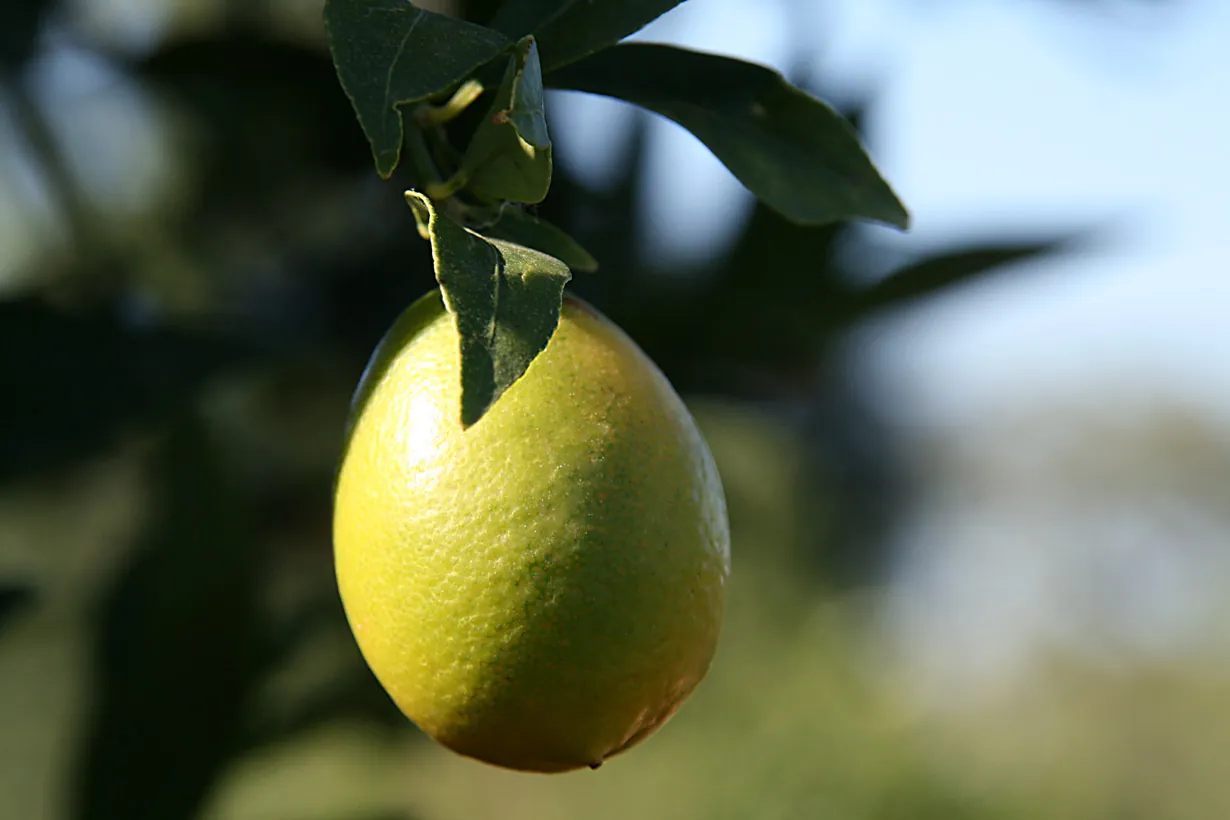
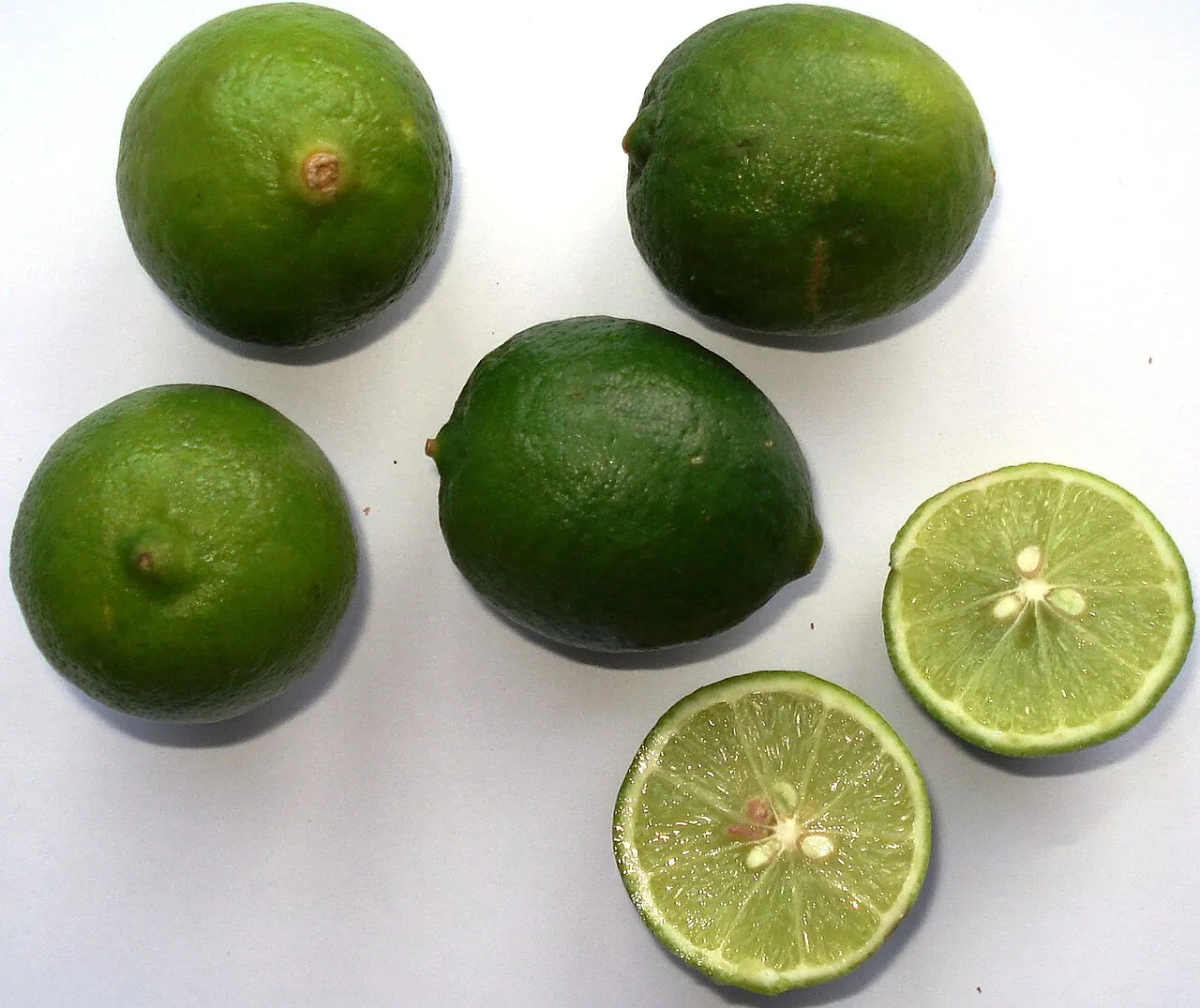
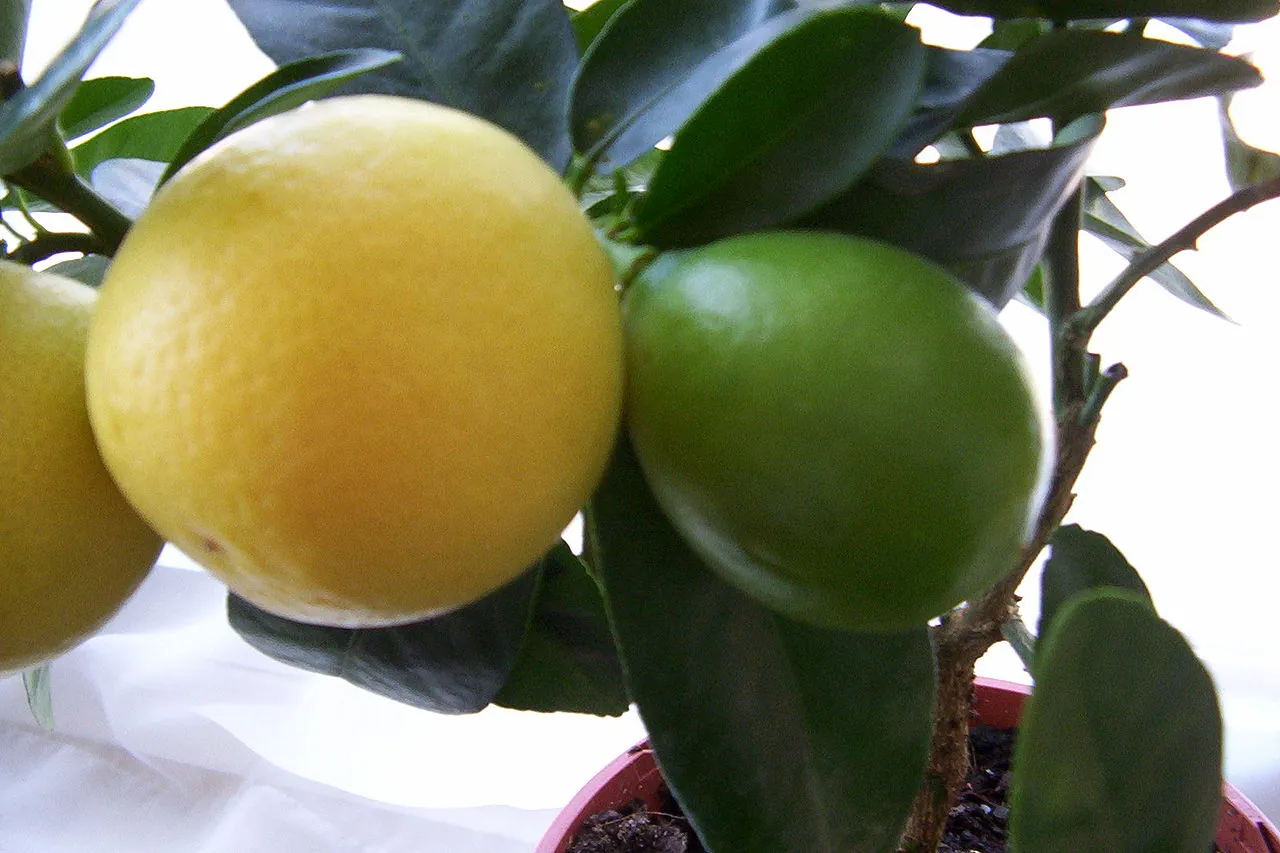
Limequats are about 2–5 cm (¾–2 in) long. The thin skin can be green, yellow or yellow-orange, with pale yellow-green segments and seeds inside. The peel brings sweetness; the flesh supplies the sourness.
The three main varieties are Eustis, Lakeland and Tavares. Tavares shows some of the kumquat’s orange colour, while Eustis tastes so much like a lime that an expert could hardly tell them apart.
Where it comes from
Walter T. Swingle made the original crosses at Eustis, Florida, in 1909. Eustis and Lakeland share the same parents: West Indian lime and round kumquat. Tavares pairs the lime with an oval kumquat.
The cross brings some of the kumquat’s cold tolerance to a lime-like fruit. Limequats withstand more cold than limes, though less than kumquats.
How it's eaten where it grows
In Tucson, Arizona, homegrown limequats join kumquats in marmalade. The fruit is seeded and chopped, then cooked with sugar and pectin to make a preserve that uses the peel along with the flesh.
In coastal Maine, limequat juice and zest go into a smooth curd made with eggs, sugar and butter. Spoon that curd into a shortbread-crumb crust and it becomes a limequat tartlet.
How it's grown
Limequats form compact trees with straight thorns. In California they grow in pots and tubs on patios. Fruit and flowers can appear on an Eustis tree at the same time.
An Eustis can also grow on another citrus tree’s roots: an early plant was budded onto grapefruit roots and raised in a pot before moving into a greenhouse bed.
When and where you'll find it
At Riverside in California, Eustis usually ripens fruit throughout the year. Pearson Ranch, a California citrus seller, lists fresh limequats in 1-pound and 5-pound boxes.
Farther from the growing areas, a home cook in coastal Maine finds them each winter with the other winter citrus in specialty markets.
Sources · 7
- Du Jardin, Damariscotta, Mainedujardinbeauty.com
- Jane Gittings Robert, Happy Belly Afterhappybellyafter.com
- Pearson Ranchpearsonranch.com
- Specialty Producespecialtyproduce.com
- T. Ralph Robinson, USDA, The Eustis Limequat, A New Hardy Limejournals.flvc.org
- University of California, Riverside Citrus Variety Collectioncitrusvariety.ucr.edu
- USDA APHIS, Citrus IDidtools.org
Get it near Detroit
What it tastes like
Limequats resemble West Indian lime in fruit composition and can be used as a substitute for it in cooking.
Limequats resemble West Indian lime in fruit composition and can be used as a substitute for it in cooking.
Choose, eat
1ChooseGreen through yellow to yellow-orange
Look for
- Green through yellow to yellow-orange
Rind color ranges from green through yellow to yellow-orange, with Tavares showing a kumquat-like orange coloration.
2EatLimequat fruit is used as a substitute for West Indian lime in cooking
Limequat fruit is used as a substitute for West Indian lime in cooking.
Detroit, Michigan
When it’s good hereUsual monthsJust arrivedAt their bestLast chanceAll yearWhere it is in its usual monthsToday, Oct 22Grown hereIn season in your stateShips fromIn season where it grows
1 growing area, 1 countryUsual monthsToday, Oct 22

- California
- You
1 of 1 areas · October
Walter T. Swingle made the original limequat crosses in Florida in 1909, and the named varieties were described in 1913.
1 variety
Cook it
Strange but trueWhere the name came from
Sources
Photos · 3
Sources
Limequat · Fruitopia · checked Sep 22, 2026