Lemon drop mangosteen
Garcinia intermedia · Clusiaceae family
A Mexican and Central American Garcinia with its own orchard history.
Find it near DetroitGet to know it
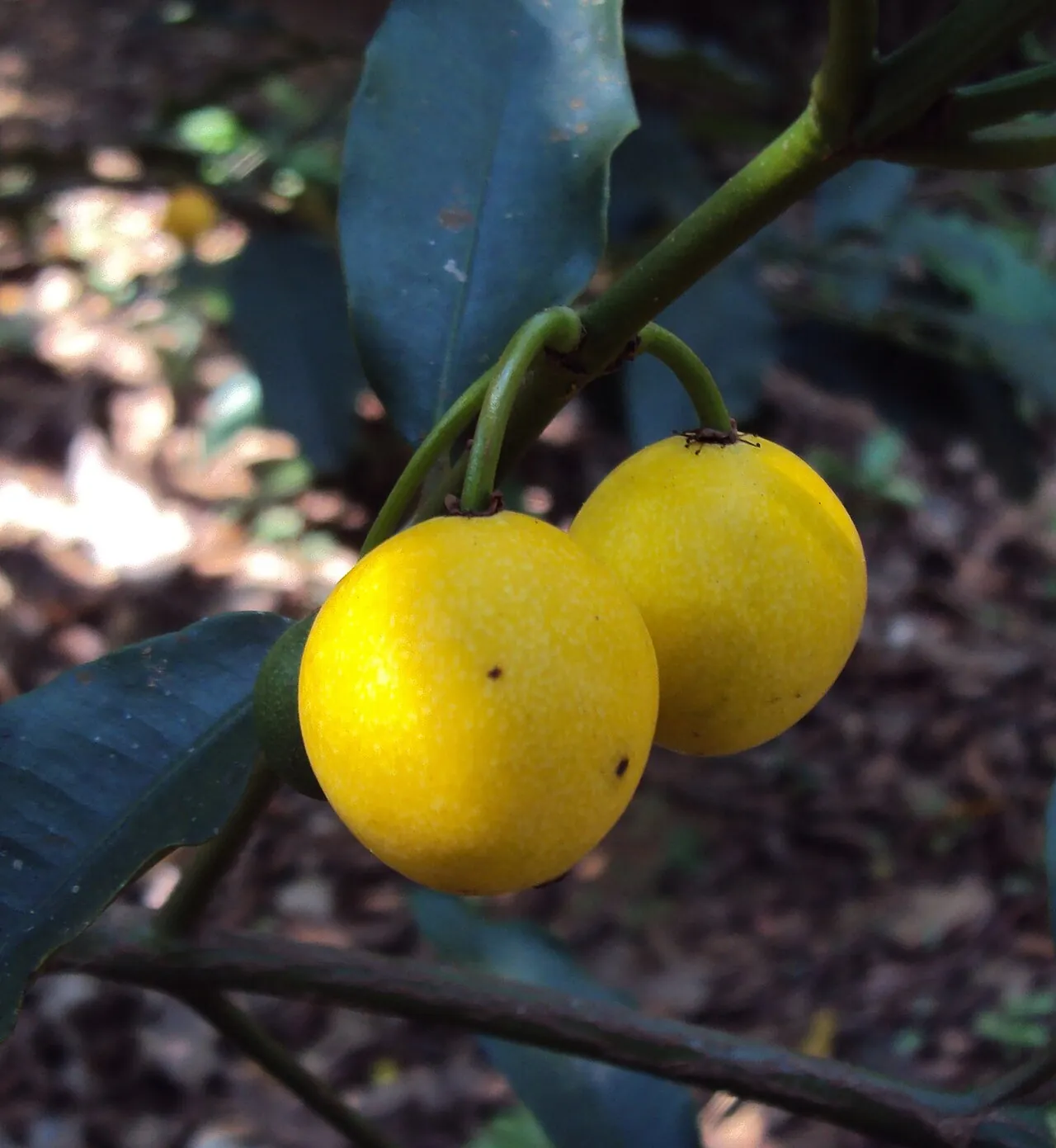
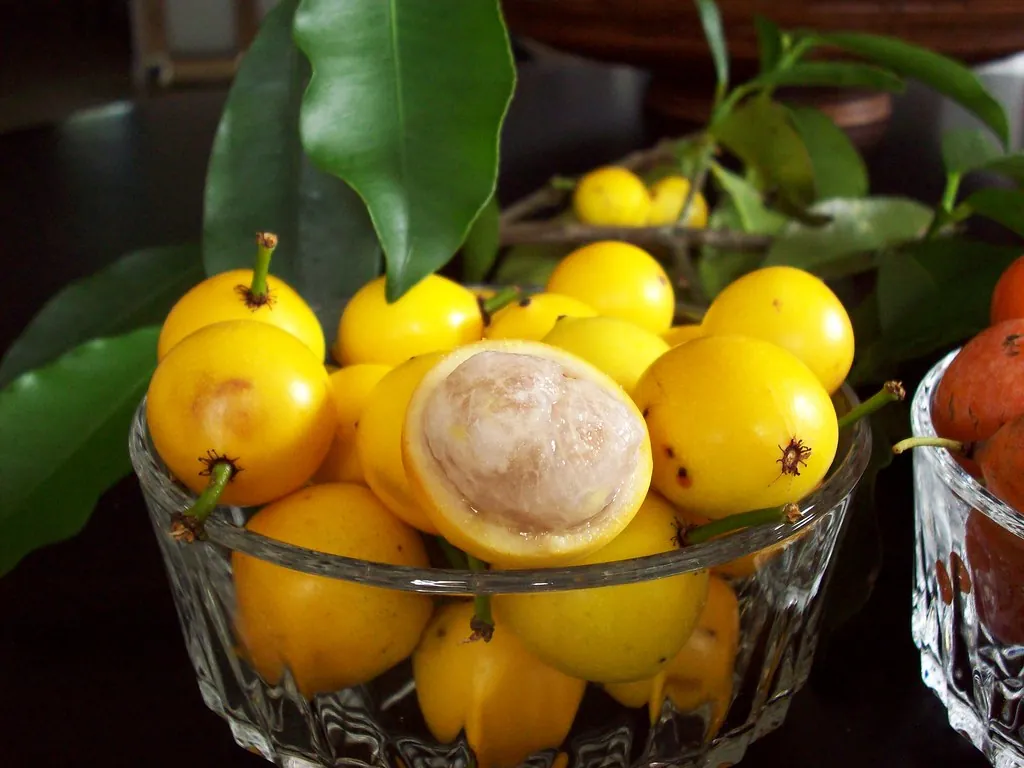
Lemon drop mangosteen is a little yellow fruit with fragrant white pulp and a sweet-and-sour bite. It belongs to the same family as the Asian mangosteen. Inside its thin skin, juicy flesh clings to hard seeds: suck off the pulp and leave the seeds behind.
What it is
Its botanical name is Garcinia intermedia; older books also call it Rheedia edulis. In Costa Rica’s Guanacaste area, the fruit is about 1.8 cm (¾ in) long. Its thin skin peels away easily, and a cut releases yellow latex, a sticky sap. There is a little juicy, sweet-and-sour pulp around one or two hard seeds.
Where it comes from
The tree comes from humid forests between southern Mexico and Panama, on both the Atlantic and Pacific sides of Central America. In Michoacán, Mexico, it grows in home gardens in Santiago Acahuato. It has also travelled to Puerto Rico and the Philippines. In the continental United States, trees grow in Homestead, Florida.
How it's eaten where it grows
In some areas of Mexico, people eat the fruit at home and sell it in regional markets. At Cold River Homestead in Costa Rica, fresh fruit is a snack: pop out the pulp, suck it off the seeds and spit the seeds out. The peeled fruit also becomes jam there: warming loosens the pulp, a colander catches the seeds, and equal volumes of pulp and sugar cook together without added pectin.
In Puerto Rico, Nydia E. Vicente, who calls it cherry mangosteen, makes aguas frescas from it: the peeled whole fruit goes into water in the freezer for several hours, and its sharp acid spreads into the drink with no sugar needed.
How it's grown
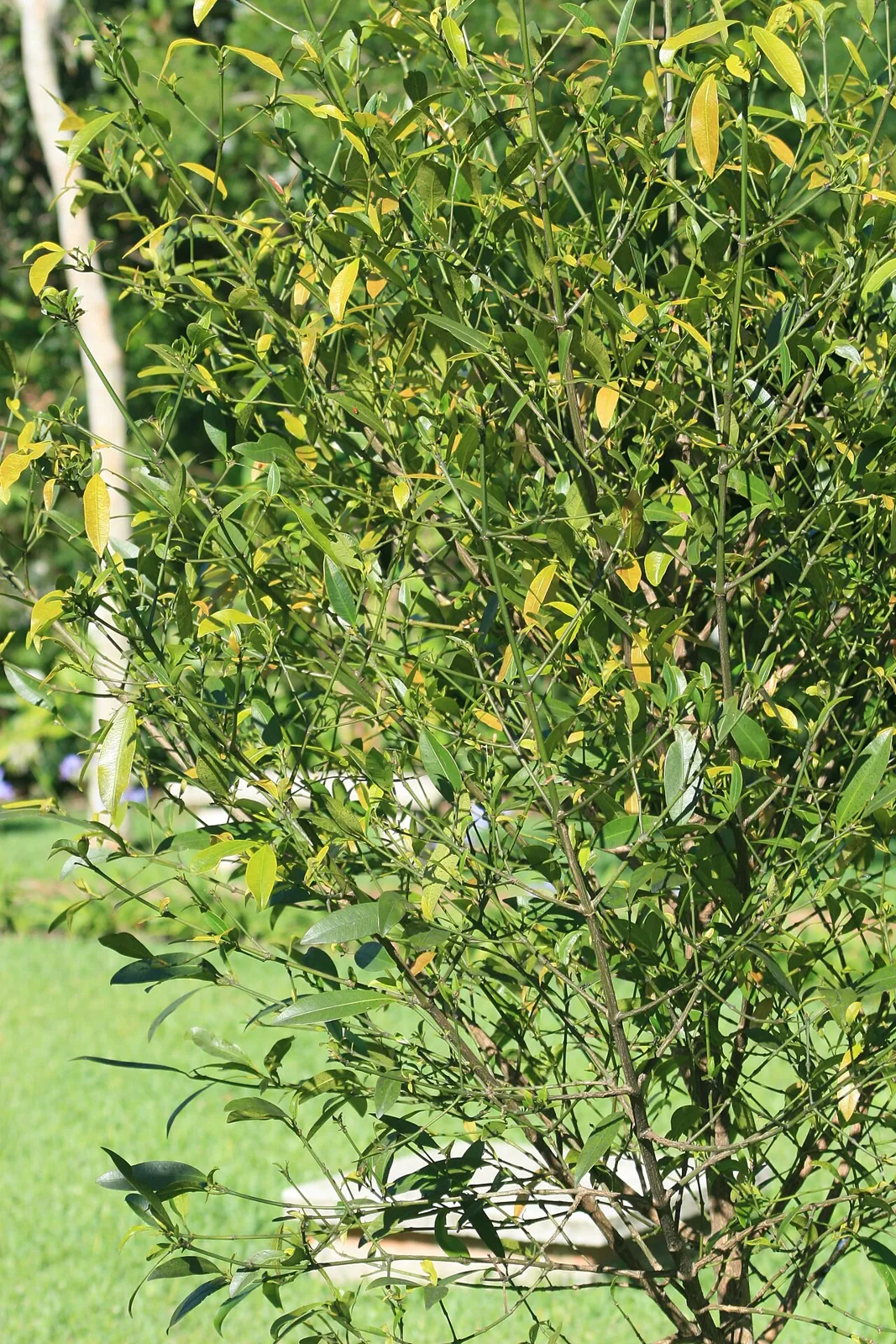
The tree can reach 20 m (66 ft), but it can begin bearing fruit just two or three years after its seed sprouts. In Central America, it also serves as a shade tree and a garden ornamental. At Zirimícuaro in Michoacán, a small orchard grows from seed collected in the home gardens of Santiago Acahuato.
When and where you'll find it
In San Andrés Tuxtla, Veracruz, the traditional local-market season usually runs from August to November. Costa Rican fruit usually matures from late January to March. In some areas of Mexico, the fruit goes from home gardens to household tables and regional markets. In Mexico it is also called limoncillo; in Costa Rica, jorco.
Sources · 6
- Andrés-Agustín et al., Revista Chapingo Serie Horticultura (2022)scielo.org.mx
- Área de Conservación Guanacaste, Costa Ricaacguanacaste.ac.cr
- Cold River Homestead, Costa Ricacoldriverhomestead.wordpress.com
- Morton, Fruits of Warm Climates (1987)hort.purdue.edu
- National Parks Board, Singaporenparks.gov.sg
- Nydia E. Vicente, Agrochicagrochic.com
Get it near Detroit
What it tastes like
The pulp is white with a sweet-and-sour taste.
The pulp is aromatic, white, and sweet-and-sour.
Choose, ripen, store, eat
1ChooseYellow
Look for
- Yellow
- Thin rind
- Yellow latex
Ripe fruit is yellow, with a thin rind and yellow latex.
2RipenRipens after picking
Ripens after pickingHarvested fruit can develop eating ripeness over time at around 20°C (68°F).
3StoreFruit has been kept at around 7°C (45°F) in storage trials
Fruit has been kept at around 7°C (45°F) in storage trials.
4EatPulp · not rind, hard seeds
Eat
PulpNot eaten
RindHard seedsRemove the rind, then cook the pulp with its hard seeds until it loosens, and strain through a colander to hold back the seeds. The seed-free cooked pulp can be used for jam.
Detroit, Michigan
When it’s good hereUsual monthsJust arrivedAt their bestLast chanceAll yearWhere it is in its usual monthsToday, Oct 22Grown hereIn season in your stateShips fromIn season where it grows
8 names in 5 languages
- jorcoroot
Cook it
Strange but trueWhere the name came fromCustoms and culture
Sources
Sources
Lemon drop mangosteen · Fruitopia · checked Sep 22, 2026