Kiekie fruit
Also called KiekieFreycinetia banksii
Kiekie offers two different sweet plant foods: succulent floral bracts and the later fruit. Keeping them distinct reveals more than a generic description of an edible forest berry.
Find it near DetroitGet to know it
Kiekie is a New Zealand forest climber that offers two sweet foods. First come fleshy flower bracts, with a pear-like taste and a vanilla scent; later comes the brownish, caramel-sweet fruit. The plant belongs to the pandanus family.
What it is
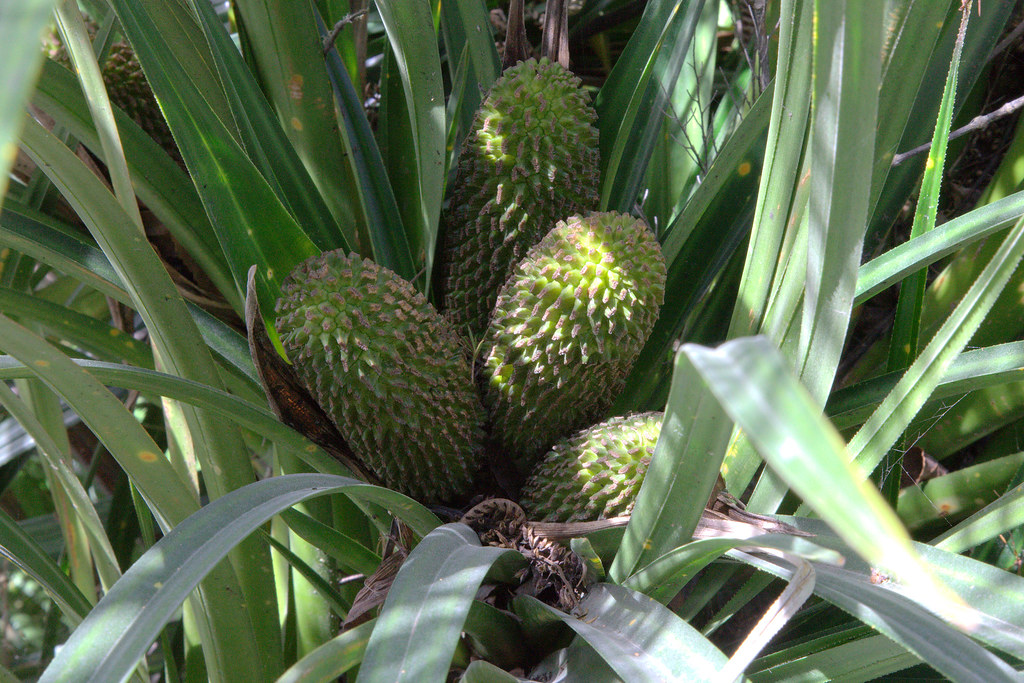
The fruit is a long, narrow cluster of tiny joined units, reaching about 15 cm (6 in) long and 3 cm (1.2 in) across. Its rough rind comes off to reveal sweet pulp. The earlier food, tāwhara, consists of thick, pale flower bracts: fleshy, leaf-like parts around the flowers. Ureure, tīrori and pīrori are names for the later fruit.
Where it comes from
Kiekie is native only to Aotearoa New Zealand, the country’s sole native member of the pandanus family. It grows through the North Island and down the South Island, reaching the Clarence River in the east and Fiordland in the west. In the South Island it is especially common in the wetter country, where forest gives this climbing plant its home.
How it's eaten where it grows
For Māori, the two harvests provide different treats. The sweet bracts are eaten fresh or made into juice and jelly; in some places they were also fermented into an alcoholic drink. Ripe fruit is eaten after its rough outer rind is removed. Early Pākehā settlers made the fruit into jelly with a flavour compared to preserved strawberries.
How it's grown
Kiekie scrambles and climbs on its stems, carrying long, narrow leaves that resemble flax. It favours cool, moist ground in heavy shade. Fresh seed and pieces with roots already attached can start new plants, although they take time to settle in. In the forest, the stems climb into the surrounding trees.
When and where you'll find it
In New Zealand, the plant usually fruits from January to May. The sweet flower bracts are a separate summer food. Rats and possums also eat both crops, making intact flowers and fruit easier to encounter in forests where those animals are controlled. Traditionally, leaves were tied over the fruit to protect it.
Get it near Detroit
What it tastes like
Ripe kiekie fruit is brownish, sweet, and caramel-like. The plant's floral bracts are also sweet, but they're a different edible part from the fruit.
Mature fruit is brownish and sweet, with a caramel-like taste; the succulent floral bracts are also sweet.
The fruit is an elongated structure made up of many small units; the bracts are fleshy, leaf-like structures around the flower cluster.
Choose, eat
1ChooseBrownish
Look for
- Brownish
Ripe kiekie fruit is brownish. Be sure of the species and which part you have, since both the fruit and the floral bracts are prized foods.
2EatFruit, Floral bracts · not leaves, roots
Eat
FruitFloral bractsNot eaten
LeavesRootsBoth the sweet fruit and the succulent floral bracts are eaten. The leaves and roots are used for fiber, not food.
Detroit, Michigan
When it’s good hereUsual monthsJust arrivedAt their bestLast chanceAll yearWhere it is in its usual monthsToday, Oct 22Grown hereIn season in your stateShips fromIn season where it grows
Strange but trueHistoryA myth, and the truthWhere the name came fromCustoms and cultureFood and drink
Sources
Photos · 1
Sources
Kiekie fruit · Fruitopia · checked Sep 22, 2026