Guapeva
Pouteria torta · Sapotaceae family
A hairy-skinned Brazilian fruit with pale, sweet pulp and large seeds.
Find it near DetroitGet to know it
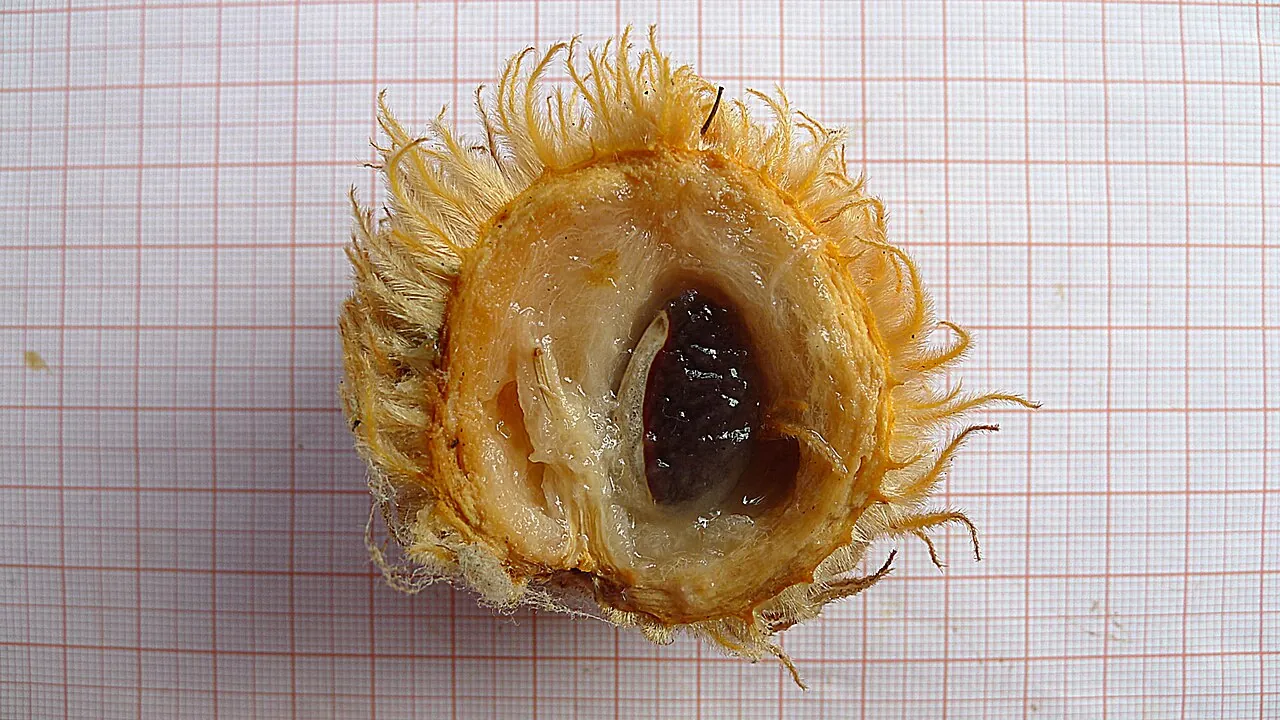
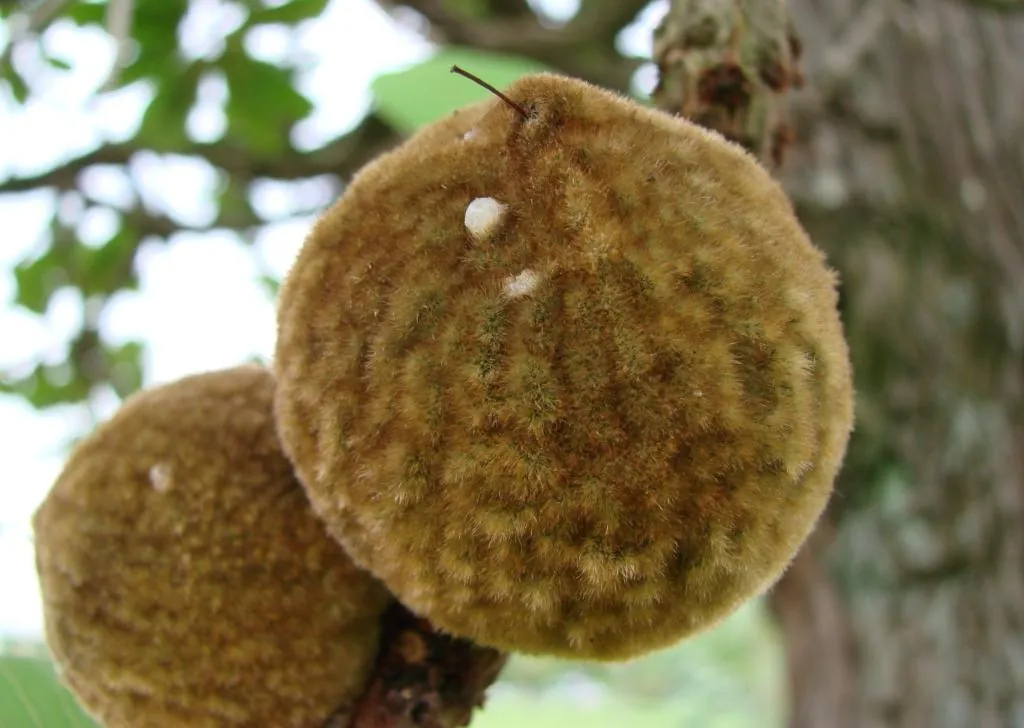
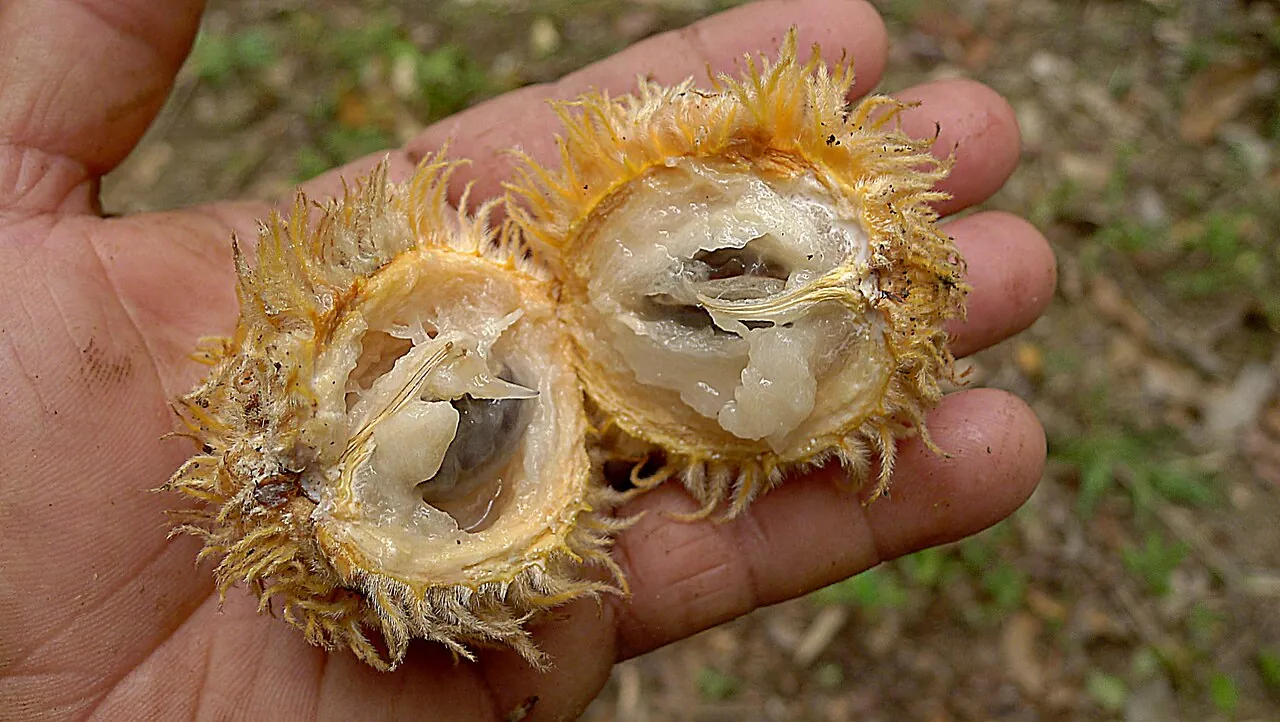
Guapeva hides sweet, white flesh under a yellow, hairy skin. The pulp is thick and jelly-like, with large seeds inside. This Brazilian forest fruit is gathered wild and grown in home orchards, and it is eaten fresh as a dessert or used in cake fillings and ice cream.
What it is
Guapeva here is Pouteria torta, the fruit also called abiurana pilosa. Its rounded fruit measures about 4–6 cm (1.6–2.4 in) across. The yellow coat has fine hairs, and the white pulp wraps around one to four seeds.
The flesh has a thick, gelatinous texture. Large seeds take up space inside, and the fruit holds some latex. The white pulp is the part eaten; for cooking, it is scooped out and separated from the seeds.
Where it comes from
Guapeva grows across a long stretch of Brazil, from the Amazon region to Rio de Janeiro, Minas Gerais, Goiás, Bahia, São Paulo and Paraná. It is a rainforest tree that also grows in forests that shed part of their leaves, and where those forests give way to the cerrado. It grows most often along riverbanks and on low, flood-built ground beside rivers.
How it's eaten where it grows
In Brazil’s Centre-West, doce de guapeva turns the pulp into a spoonable sweet. The fruit is cut open, the seeds removed and the flesh lifted out with a spoon. It then cooks in sugar dissolved in water until it sets to the right thickness.
The pulp also goes into cake fillings and ice cream. To keep it, the pulp is packed in plastic bags and refrigerated.
How it's grown
Guapeva comes from both wild trees and home orchards. Under cultivation, a young tree can begin to bear fruit at three to four years. Its seeds need a quick start: drying them destroys their ability to sprout, so they are planted fresh after the pulp is removed.
When and where you'll find it
In Goiás, the fruit usually ripens from January through March. Wild gathering and home orchards are routes to the fresh fruit in Brazil. In Campina do Monte Alegre, São Paulo, the private Jardim Botânico das Frutas Raras grows abiurana pilosa among its fruit trees and welcomes visits by arrangement.
Sources · 7
- agricultura.pr.gov.br
- Helton Josué Teodoro Muniz, Colecionando Frutascolecionandofrutas.com.br
- Jardim Botânico das Frutas Rarascolecionandofrutas.com.br
- Jardim Botânico das Frutas Raras, Sapotaceae collectioncolecionandofrutas.com.br
- Pirenópolis Digital Herbariumpirenopolis.tur.br
- UNESP, Atlas Ambiental da Bacia do Rio Corumbataírc.unesp.br
- Useful Tropical Plantstropical.theferns.info
Get it near Detroit
What it tastes like
Guapeva is a yellow, hairy fruit with sweet white pulp, large seeds and latex.
Guapeva is a yellow, hairy fruit with sweet white pulp, large seeds and latex.
Some accounts describe the pulp as thick, gelatinous and only slightly sweet.
Choose, eat
1ChooseYellow skin
Look for
- Yellow skin
Ignore
- Thick, hairy rind
- Latex
Look for yellow skin; the thick, hairy rind and latex are normal for this fruit, not defects.
2EatWhite pulp · not large seeds, latex-containing tissue
Eat
White pulpNot eaten
Large seedsLatex-containing tissueThe white pulp is the edible part; the large seeds and latex-containing tissue are not eaten.
Detroit, Michigan
When it’s good hereUsual monthsJust arrivedAt their bestLast chanceAll yearWhere it is in its usual monthsToday, Oct 22Grown hereIn season in your stateShips fromIn season where it grows
Strange but trueNatureWhere the name came from
Sources
Photos · 3