Guabiroba
Campomanesia xanthocarpa · Myrtaceae family
An aromatic Brazilian myrtle fruit with sweet, acidic and slightly bitter notes.
Find it near DetroitGet to know it
Guabiroba is a little yellow-orange fruit from Brazil with juicy, fragrant flesh. Its sweetness comes with a tart edge and a touch of bitterness. In southern Brazil, people eat it fresh or cook it into geleia de guabiroba, a fruit jam.
What it is
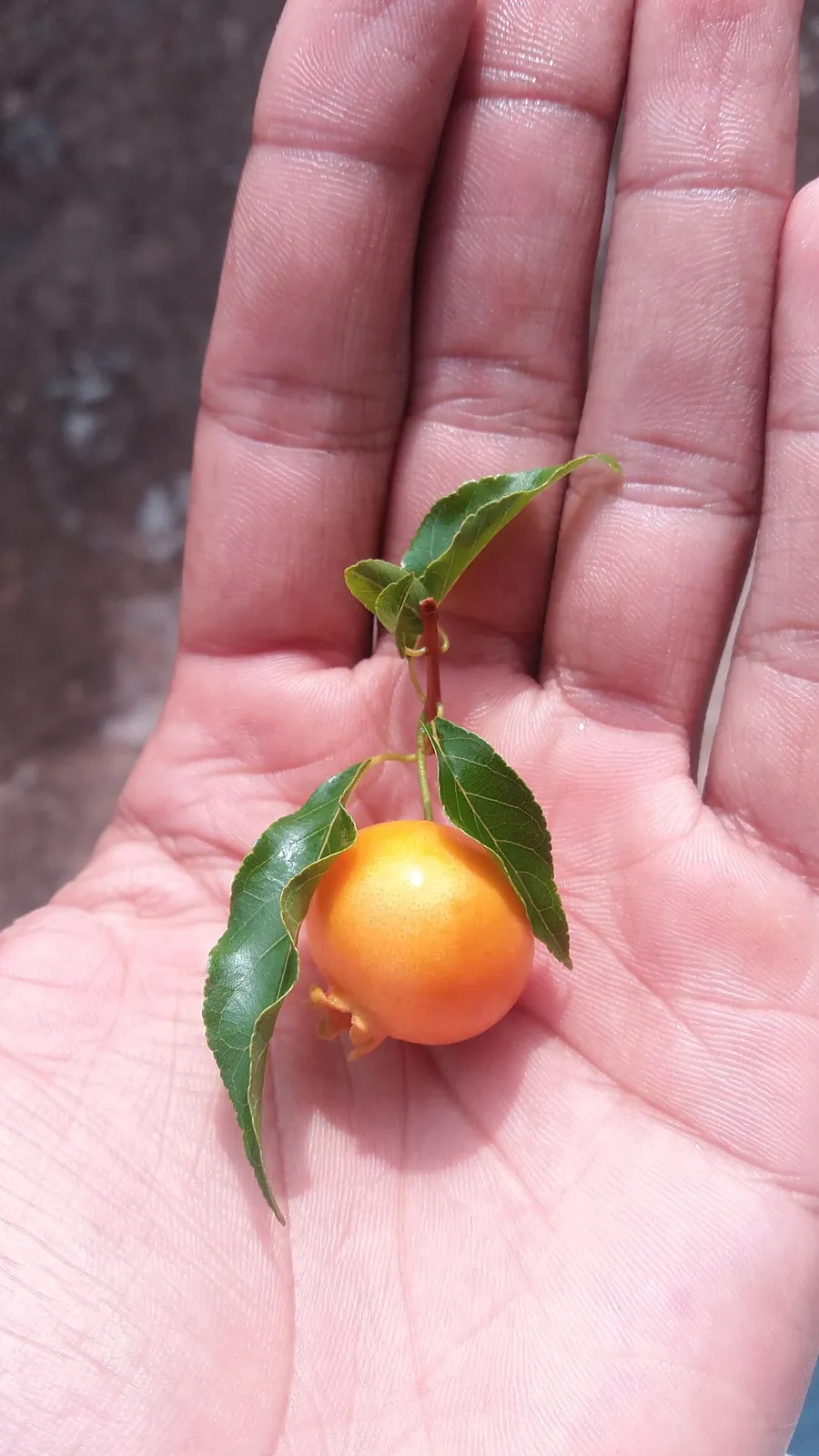
The fruit is round, slightly flattened at the top and bottom, and about 2 cm (0.8 in) across. Its thin, smooth skin changes from green to yellow-orange as it ripens, with yellowish seeds inside. Its full name is Campomanesia xanthocarpa, a member of the myrtle family.
Where it comes from
Guabiroba grows naturally in Brazil’s Atlantic Forest and Cerrado, and its range extends into Paraguay, Argentina and Uruguay. In Argentina, it grows in the provinces of Corrientes and Misiones. It also has a place in Brazilian home orchards, where the trees are planted for their fruit.
How it's eaten where it grows
In southern Brazil, fresh guabiroba is a local fruit eaten close to where it grows. For geleia de guabiroba, the cut fruit cooks with sugar until the mixture thickens. Its own pectin, the part of fruit that helps jam set, contributes to the texture. The fragrant flesh also goes into ice cream, sweets and homemade liqueurs.
How it's grown
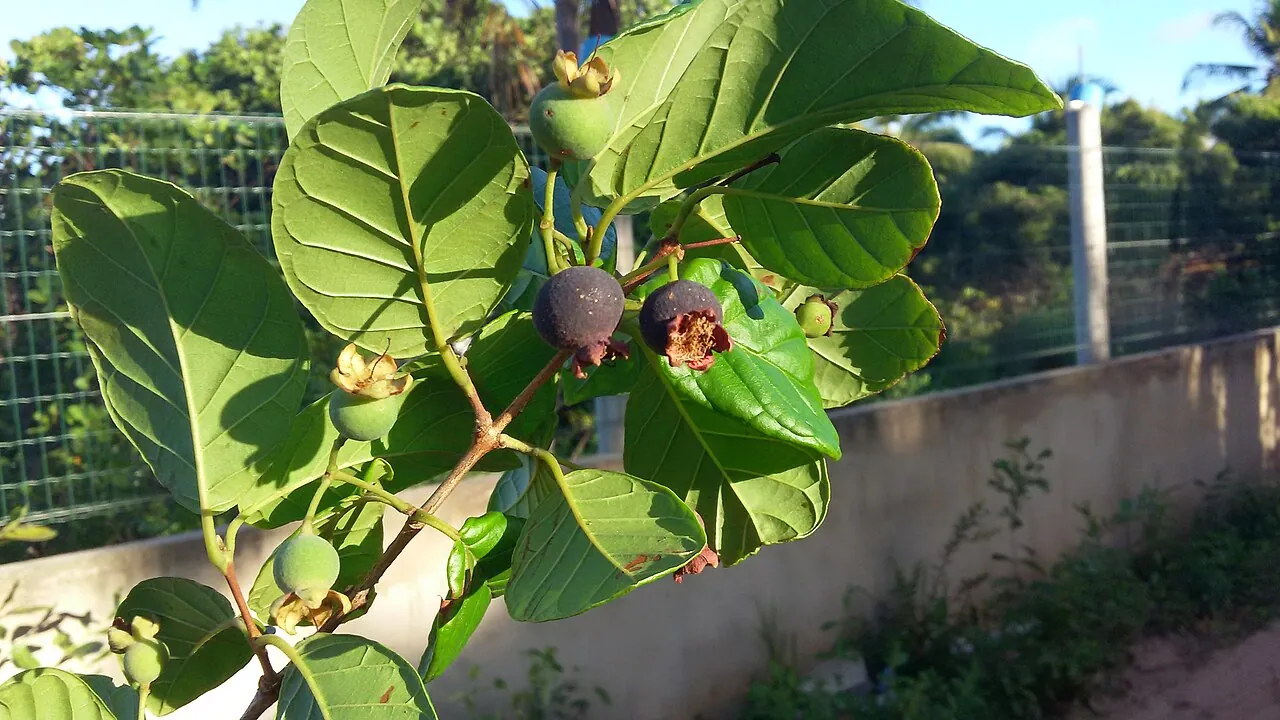
Guabiroba commonly grows into a tree 10–20 m (33–66 ft) tall. Its white flowers depend mainly on bees and other small insects to carry their pollen. New trees grow from seeds or cuttings. Its seeds lose the ability to sprout fast: in one batch, germination fell from 88% to 33% within 15 days, and none sprouted after 30. The tree can also grow in dry, compact soil with low fertility. It tolerates winter cold, too.
When and where you'll find it
Guabiroba usually ripens in November and December. Around Laranjeiras do Sul in Paraná, it is gathered on rural properties in those months.
Fresh guabiroba spoils quickly, keeping at most six days in the fridge. Frozen pulp, juice, jam and liqueur carry its flavour past the fresh harvest.
Sources · 7
- Apremaviapremavi.org.br
- Embrapa Florestasinfoteca.cnptia.embrapa.br
- Embrapa, Espécies Arbóreas Brasileiras, volume 2alice.cnptia.embrapa.br
- Instituto Misionero de Biodiversidadimibio.misiones.gob.ar
- Leonarski et al., Pesquisa Agropecuária Brasileira (2020)ainfo.cnptia.embrapa.br
- Prestes et al., Advances in Food Technology and Nutritional Sciences (2022)alice.cnptia.embrapa.br
- Simone Segunda, Universidade Federal da Fronteira Sul (2014)rd.uffs.edu.br
Get it near Detroit
Sell fruit online? Add your business
What it tastes like
Juicy, aromatic pulp combines sweetness, acidity and a slight bitterness.
Juicy, aromatic pulp combines sweetness, acidity and a slight bitterness.
Choose, eat
1ChooseThin, smooth yellow-orange skin
Look for
- Thin, smooth yellow-orange skin
Skin turns from green to thin, smooth yellow-orange as guabiroba ripens; color can vary with growing conditions.
2EatFruit · not leaves
Eat
FruitNot eaten
LeavesGuabiroba is eaten fresh and used in sweets, ice cream, fermented milk products, jams and liqueurs. Only the fruit itself is eaten; leaves and processing residues are not food.
Detroit, Michigan
When it’s good here
Season not documented for Michigan.
Cook it
Strange but trueWhere the name came from
Sources
Photos · 2
Sources
Guabiroba · Fruitopia · checked Sep 23, 2026