Goumi
Also called Gumi · Cherry silverberry · Cherry elaeagnusElaeagnus multiflora
A distinct silver-flecked fruit with a place in Tibetan wild-food knowledge.
Find it near DetroitGet to know it
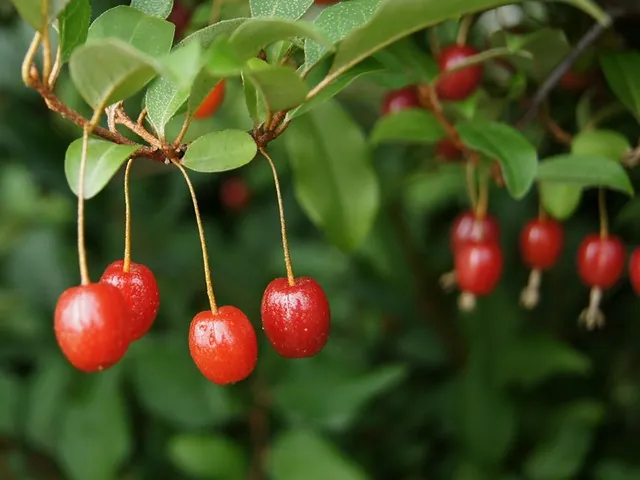
Goumi is a small, bright-red fruit dusted with silver flecks, with a sweet-tart flavour and one chewy seed. It turns red before it reaches its sweetest stage: the early fruit can still make your mouth pucker. In Philadelphia, it is one of the first orchard fruits of the year.
What it is
Also called cherry silverberry or natsugumi, goumi is the fruit of Elaeagnus multiflora. Its oblong berries hang from long stalks and are usually 1–1.5 cm (about ½ in) long. Each holds one fibrous, edible seed.
Goumi resembles its relative autumn olive, but they are different species. The shrub has fragrant, cream-coloured flowers in early spring and green leaves with silver undersides. That silver colouring appears again as tiny flecks on the red fruit.
Where it comes from
Goumi comes from China, Korea and Japan. It also grows in the eastern United States, where it has been introduced into states including Michigan and New York. In China’s northwestern Yunnan, it belongs to the wild fruits traditionally gathered by Tibetan communities in Shangri-la, Weixi and Deqin.
How it's eaten where it grows
In those Tibetan communities, goumi is eaten fresh. At the Home Orchard Education Center in Oregon City, its tang often goes into lightly sweetened juices, mead and drinking vinegar.
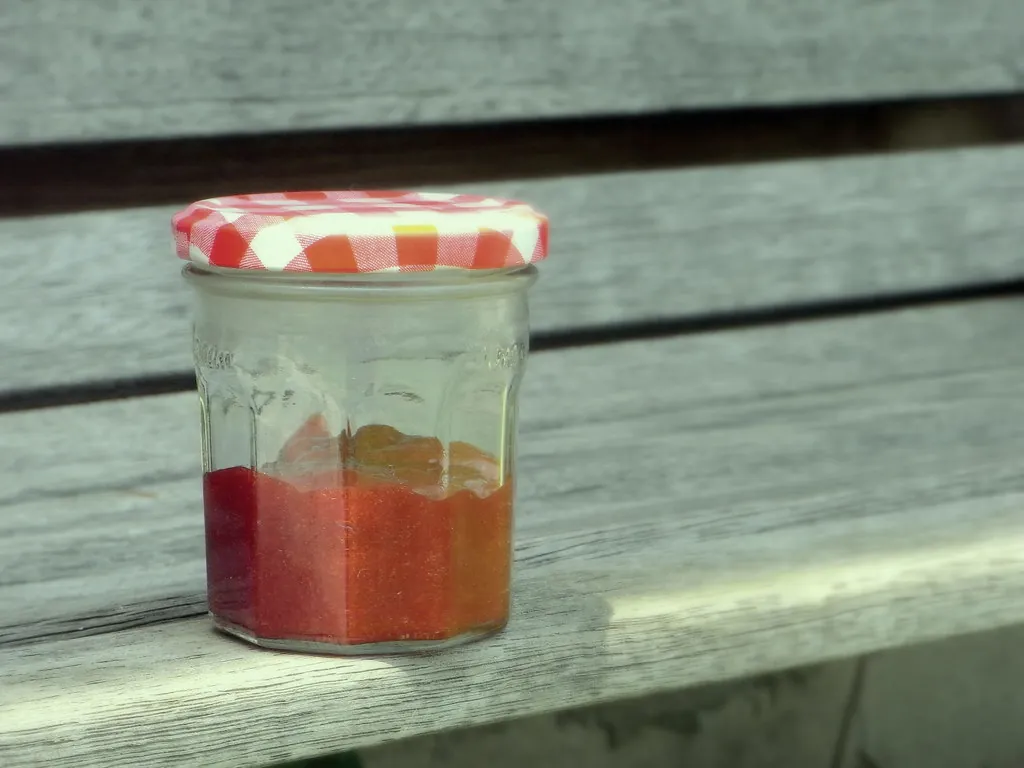
For the goumi vinegar, berries simmer with cider vinegar, sugar and thyme, then pass through a sieve or cheesecloth, pressing the fruit to release its juice. The strained vinegar goes into a spritzer with white wine and soda, or with grape or apple juice in place of the wine.
How it's grown
The shrub loses its leaves for winter and can reach about 2.4 m (8 ft) tall and wide. It tolerates shade and poor soil, prefers good drainage and grows best with half a day of full sun.
Plants grown from cuttings can bear fruit in three to four years. Sweet Scarlet, Red Gem and Carmine are named varieties grown this way.
When and where you'll find it
In Philadelphia, goumi usually ripens from late May to early June. In the Tibetan communities of Diqing, gathering usually falls in June and July. In Oregon, goumi grows at the Home Orchard Education Center in Oregon City, a working orchard that welcomes visitors to explore during its open hours.
Get it near Detroit
What it tastes like
Goumi is sweet-tart; fruit that's just turned red can still be astringent, so wait for full ripeness for the sweetest flavor.
Choose, eat
1ChooseFull ripeness
Look for
- Full ripeness
Ignore
- Red color alone
Goumi turns red before it's fully ripe, and the early red stage can still be astringent; wait for full ripeness.
2EatFruit
Eat
FruitThe fruit is eaten fresh.
Detroit, Michigan
When it’s good hereUsual monthsJust arrivedAt their bestLast chanceAll yearWhere it is in its usual monthsToday, Oct 22Grown hereIn season in your stateShips fromIn season where it grows
1 growing area, 1 countryUsual monthsToday, Oct 22

- Pennsylvania
- You
0 of 1 areas · October
In Tibetan communities across Shangri-la, Weixi and Deqin, goumi is traditionally gathered in June–July.
25 names in 7 languages
- Cibieroot
Cook it
Strange but trueHistory
Sources
Sources
Goumi · Fruitopia · checked Sep 22, 2026
What we don't know yet
The orchard visit is not U-pick, and fruit is there only in some years.