Goji berry
Also called Wolfberry · Ningxia wolfberry · Chinese wolfberryLycium barbarum · Solanaceae family
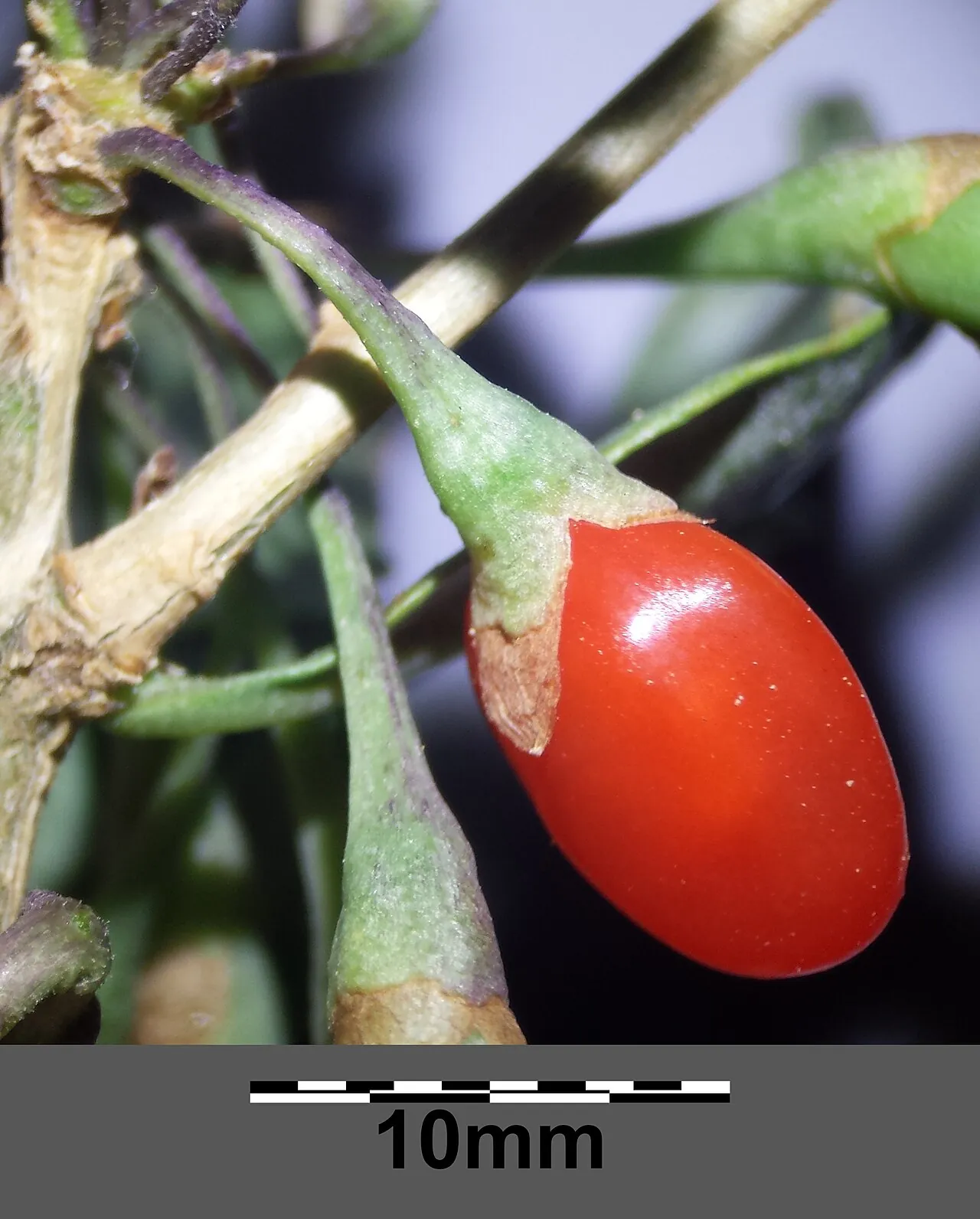
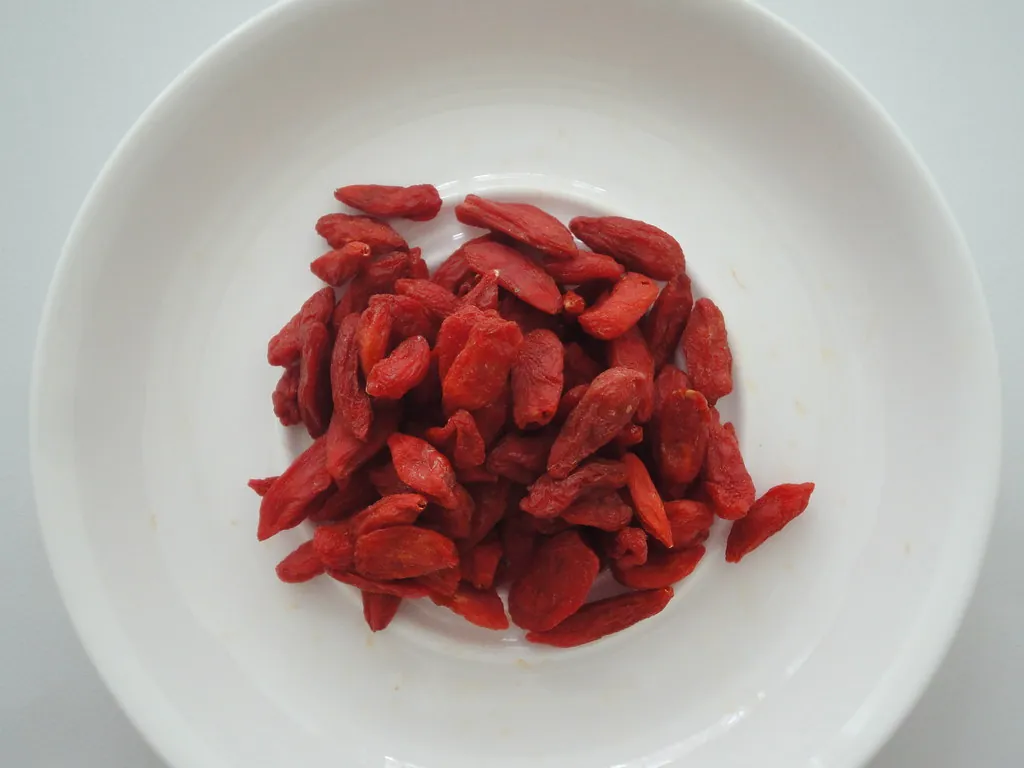
Fresh goji is a fragile berry; drying gives it a different texture and a wider culinary life.
Find it near DetroitGet to know it
Goji is a small orange-red berry with a sweet and sour taste. Fresh berries bruise easily; dried ones have a chewy bite. In Chinese cooking, they add colour and flavour to soups, teas and desserts, including a syrupy sweet soup of pears and snow fungus.
What it is
Fresh goji berries are oval, about 1–2 cm (0.4–0.8 in) across, with 10 to 60 tiny yellowish seeds inside. Drying gives them a chewy bite. They belong to the nightshade family, alongside tomatoes.
Goji and wolfberry are names used for both Lycium barbarum and its close relative Lycium chinense. The fruit here is Lycium barbarum; Crimson Star and Phoenix Tears are two of its named varieties.
Where it comes from
Goji comes from China. It is widely grown across the dry northwest, including Ningxia. It also grows in the United States: a few growers in Florida have raised it for years, and Goji Farm USA grows an American crop for whole freeze-dried berries.
How it's eaten where it grows
In Chinese kitchens, dried goji goes into sweet soups as well as savoury dishes. Snow fungus soup with pears, bīngtáng yín’ěr dùn xuělí, combines goji, dates, pear and rock sugar with a pale edible fungus. Long simmering makes the soup syrupy and gelatinous. It is a dessert for occasions such as Chinese New Year.
Another Chinese drink starts with apples and honey dates simmered in water. The liquid is strained, then simmered again with goji berries. It can be served warm or chilled.
How it's grown
Goji grows on a woody bush with small thorns and loses its leaves in winter. Pruned plants usually stand 0.9–1.8 m (3–6 ft) tall. They crop best in full sun, in soil that drains freely. Crimson Star and Phoenix Tears can begin bearing one or two years after planting. The tender berries need gentle handling: a bruise can make them leak and darken.
When and where you'll find it
Dried goji is the familiar shopping form, found among Chinese grocery ingredients and in health-food shops. It goes in whole to soups, teas and desserts. American-grown berries also come freeze-dried: Goji Farm USA’s crop goes into GojiLIFE whole berries. The farm’s harvest usually runs through late summer and fall.
Sources · 9
- Daily Cooking Quest, Anita Jacobsondailycookingquest.com
- Goji Farm USAgojifarmusa.com
- Louisiana State University AgCenterlsuagcenter.com
- Royal Horticultural Societyrhs.org.uk
- The Woks of Lifethewoksoflife.com
- The Woks of Life, Judy Leungthewoksoflife.com
- University of Florida IFASask.ifas.ufl.edu
- Utah State University Extensionextension.usu.edu
- Wikipediaen.wikipedia.orgOther pages2
Get it near Detroit
What it tastes like
Goji Farm USA's freeze-dried berries are naturally sweet; fresh goji has a different texture.
Goji is a sweet-and-sour berry.
Some people prefer processed goji over fresh, because of the fresh berry's texture.
Choose, ripen, store, eat
1ChooseFull color
Look for
- Full color
On the label
- Lycium barbarum
Harvest at full color and handle gently, since bruised berries darken. Hand-pick with a slight sideways pull to leave less stem attached, rather than shaking the fruit off.
2RipenGoji plants keep flowering while earlier fruit ripens, so harvest happens in successive picks rather than all at once
Goji plants keep flowering while earlier fruit ripens, so harvest happens in successive picks rather than all at once.
3StoreFridge, fresh
- FridgeFresh
- FreezerFresh
Fresh goji keeps about two weeks refrigerated; freezing is also an option.
4EatBerries
Eat
BerriesGoji is eaten fresh, dried, juiced or frozen; dried berries are eaten alone or used in baking.
Detroit, Michigan
When it’s good hereUsual monthsJust arrivedAt their bestLast chanceAll yearWhere it is in its usual monthsToday, Oct 22Grown hereIn season in your stateShips fromIn season where it grows
1 growing area, 1 countryUsual monthsToday, Oct 22

- Xinjiang
- You
Goji is mainly grown in the arid and semiarid regions of northwest China, including Ningxia.
3 varieties
57 names in 11 languages
Cook it
Strange but trueHistoryA myth, and the truthNatureWhere the name came fromFood and drink
Sources

Sources
Goji berry · Fruitopia · checked Sep 22, 2026