Curriola
Pouteria ramiflora · Sapotaceae family
A pale-pulped Cerrado fruit with an aroma that changes as it matures.
Find it near DetroitGet to know it
Curriola is a fragrant fruit of Brazil's Cerrado, with mildly sweet, white flesh as soft as jelly around large seeds. Its juice even goes into savoury bread with baru nuts and herbs. The skin stays green when the fruit is ready to eat.
What it is
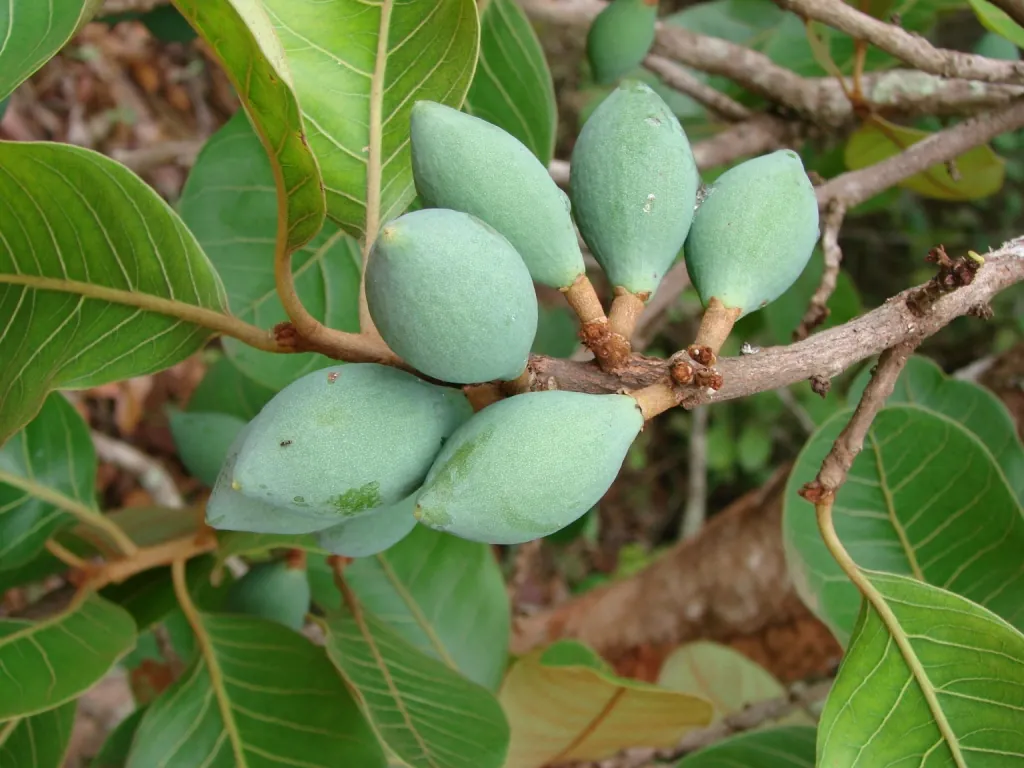
The little pear-shaped fruit can reach about 5 cm (2 in) long. Under the green skin, the soft white pulp wraps around large seeds; the flesh is the part eaten fresh. Its mild sweetness comes with a strong aroma. Curriola's botanical name is Pouteria ramiflora, and it belongs to the sapodilla family.
Where it comes from
Curriola grows naturally across eastern, central and northern Brazil, with a range extending into Bolivia and Paraguay. It belongs to both forest and savanna landscapes, including the places where the two meet. In Mato Grosso, wild trees grow in native Cerrado around Santo Antônio de Leverger.
How it's eaten where it grows
In the Cerrado kitchen, curriola can become fougasse de curriola e baru: a savoury bread made with curriola juice, ground baru nuts, olive oil and dried herbs. Rosemary, oregano and thyme go into the dough, with chilli flakes, coarse salt, more herbs and baru over the top. Slits cut into each oval of dough give it the fougasse shape.
Its pulp also becomes geleia, a fruit jam. One Brazilian preparation cooks equal measures of curriola pulp and sugar with water until the mixture sets. The pale flesh is scraped out of the fruit for jam or sweet drinks.
How it's grown
The tree has a rounded crown and sheds part of its foliage during the year. It grows best in sun and tolerates dry periods once established. New trees can be raised from seeds sown soon after the fruit ripens, in separate pots. Growth is moderate, and only a small proportion of the seeds usually sprout.
When and where you'll find it
In Brazil’s Centro-Oeste, ripe curriola is usually gathered from September to December, while its skin is still green. The fruit comes from wild trees and is eaten locally: fresh, or with its pale pulp scraped out for jam and sweet drinks.
Get it near Detroit
What it tastes like
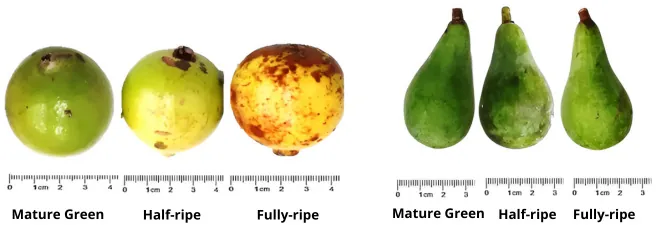
Mature curriola has white, fleshy, gelatinous pulp, a sweet taste and a pronounced aroma.
Curriola's pulp is sweet with a pronounced aroma that shifts as it ripens, becoming more fruity and ester-driven.
Choose, eat
1ChooseYellow skin
Ignore
- Yellow skin
Ripe curriola stays greenish on the outside, so don't judge it by the yellow-skin cues used for other Pouteria fruits — ask the seller about maturity instead.
2EatFruit · not seeds, leaves, latex
Eat
FruitNot eaten
SeedsLeavesLatexThe fruit itself is the edible part; seeds, leaves and latex are not treated as food here.
More tips
Worth knowing
- Some curriola softens while the skin stays green, so yellow skin isn't the only sign of ripeness.
- Curriola has a history as a sweet spread as well as a fresh fruit.
Detroit, Michigan
When it’s good hereUsual monthsJust arrivedAt their bestLast chanceAll yearWhere it is in its usual monthsToday, Oct 22Grown hereIn season in your stateShips fromIn season where it grows
Cook it
Sources
Sources
Curriola · Fruitopia · checked Sep 23, 2026