Chañar
Geoffroea decorticans · Fabaceae family
A dryland South American fruit whose concentrated syrup is an important culinary form.
Find it near DetroitGet to know it
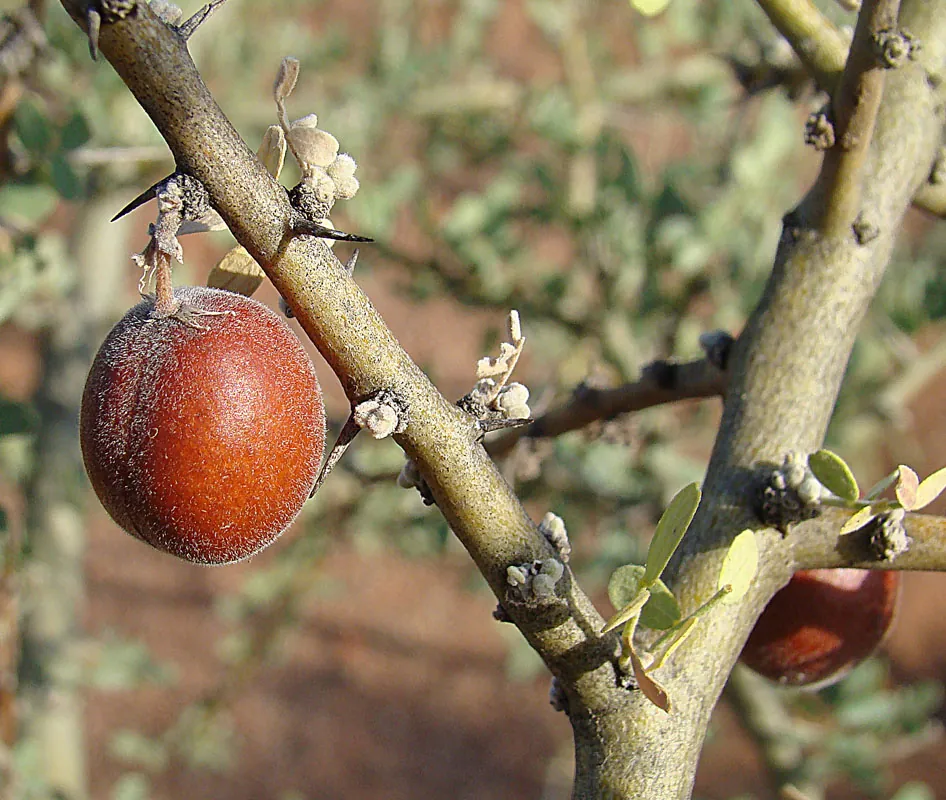
Chañar is a small reddish fruit from dry South America, most often made into arrope: a dark syrup with honey-like sweetness. Long cooking turns the fruit into a thick pour for desserts, with a caramel flavour and a little tang.
What it is
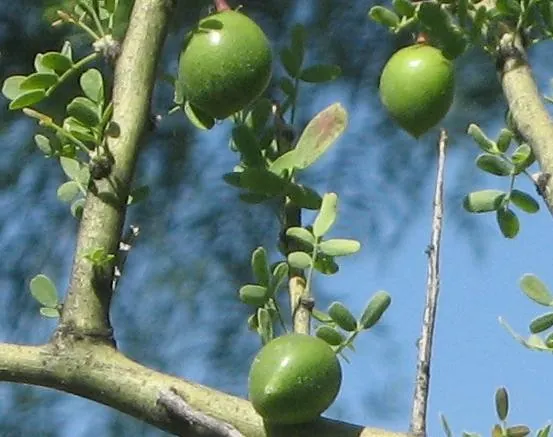
The fruit grows on Geoffroea decorticans, a tree in the bean family. Each smooth, oval chañar measures about 2–3 cm (0.8–1.2 in) long. Beneath the reddish skin, pale yellow-white flesh surrounds a large stone, usually with a single seed inside. It is the flesh that supplies the sweet liquid for arrope.
Where it comes from
Chañar belongs to the dry landscapes of southern South America. Its range includes southern Peru, Bolivia, northern Chile, the Paraguayan Chaco, western Uruguay and much of Argentina.
In Chile it reaches from the Lluta and Azapa valleys in Arica-Parinacota south to Coquimbo, down to sea level at the mouth of the Copiapó River. Along riverbanks and low ground it can form small groves called chañarales.
How it's eaten where it grows
In the Ambato valley of Catamarca, Argentina, families pass down the making of arrope. Crushed fruit is worked in water to separate the pulp from the skins and stones. A cloth strains out the solids, then the juice cooks over a wood fire. The final simmer in a bronze pan can last eight to ten hours.
Argentine kitchens also use the syrup in desserts. One coconut flan pairs cashew cream and shredded coconut with agar, which sets the mixture, over a base of chañar arrope. The syrup also goes with yogurt, ice cream or cheese.
How it's grown
Chañar sheds its leaves in winter, and can drop them in summer too when conditions get too dry. It grows best in full sun, produces bright yellow flowers, and sends up new shoots from its roots. In Catamarca, a picker gathers the ripe fruit lying on the ground and knocks the rest from the branches with a stick.
When and where you'll find it
Around Los Varela in the Ambato valley, the fruit usually ripens in mid-January. Away from the harvest, arrope is a useful form to meet: Altezza Natural, a shop in San Martín, Mendoza, sells Mupay arrope de chañar in 600 g jars.
Get it near Detroit
What it tastes like
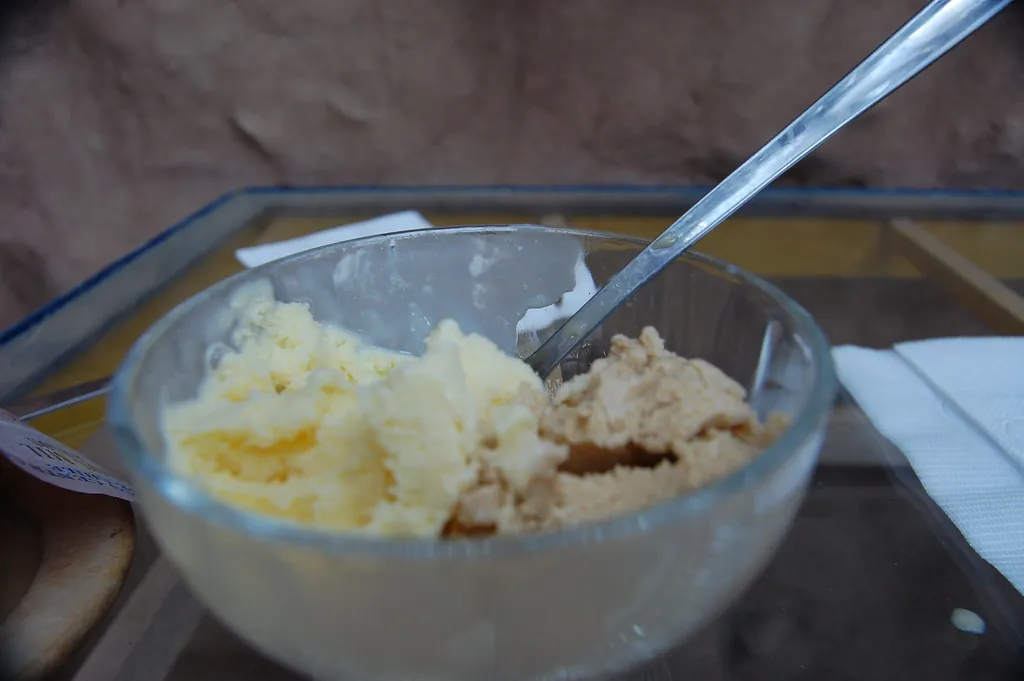
Arrope, a syrup made from chañar fruit, is sweet and honey-like.
Arrope, a syrup made from chañar fruit, is sweet and honey-like.
Choose, eat
1ChooseFor arrope, damaged fruit is discarded and the rest washed before cooking
For arrope, damaged fruit is discarded and the rest washed before cooking.
2EatFruit
Eat
FruitChañar fruit is made into arrope syrup, flour, biscuits, jams and jellies.
Detroit, Michigan