Ceylon gooseberry
Also called KetembillaDovyalis hebecarpa · Salicaceae family
Velvety dark fruit conceals juicy, acidic pulp — better suited to preserves than eaten as a sweet dessert fruit.
Find it near DetroitGet to know it
Ceylon gooseberry, or ketembilla, is a small, velvet-skinned fruit with purple-red juice and a sharp sour bite. Its strength is in the preserving pan: recipes from Hawaii pair it with papaya in jam and guava in jelly.
What it is
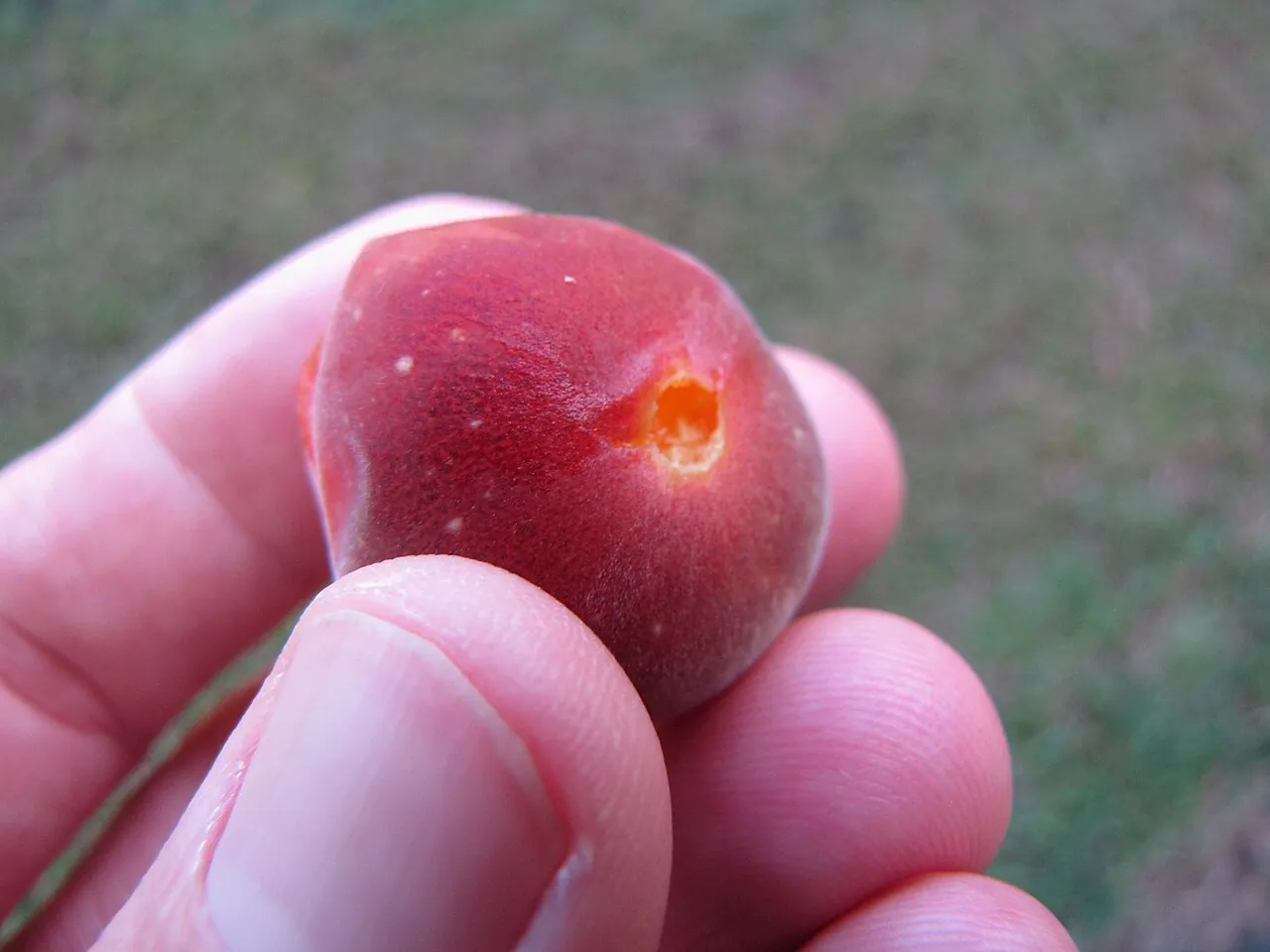
The round fruit measures 1.25–2.5 cm (½–1 in) across. Its thin skin changes from orange to dark purple as it ripens, but keeps its coating of short hairs. Inside, juicy pulp surrounds 9–12 small, hairy seeds.
The skin tastes bitter and feels unpleasant in the mouth. The pulp is sour and astringent, leaving a dry, puckering feeling; this is usually a fruit for preserves rather than a sweet snack.
Where it comes from
Dovyalis hebecarpa comes from Sri Lanka and India and now grows across the tropics, including the Philippines. In Cuba and Central America it also goes by aberia.
Plant explorer David Fairchild brought it to the United States. Southern Florida became a starting point for its travels: plants went from there to Cuba’s Atkins Garden, which sent seeds onward to Hawaii in 1920.
How it's eaten where it grows
Recipes developed in Hawaii turn ketembilla into juice, spiced jelly, ketembilla-papaya jam and ketembilla-guava jelly. Another pairing is ketembilla-apple butter, a fruit spread. These preparations give its sour juice a place alongside sweeter fruit. In Florida the fruit was once used mainly for jelly too, and in Israel it is valued mainly as a source of jelly for export.
How it's grown
The shrub or small tree reaches 4.5–6 m (15–20 ft), with long, arching branches that can cover 9 m (30 ft) of ground. Its trunk and lower branches carry sharp spines. Growers raise plants from seeds or cuttings, or by budding and grafting. Plenty of water helps while fruit develops. Male, female and bisexual flowers occur on separate trees.
When and where you'll find it
In Florida, the fruit usually ripens in two crops, in spring and fall; in Israel, the season usually runs from winter into spring. Most of it reaches the kitchen as a preserve: its familiar forms are juice, jam and jelly, including the Hawaiian fruit pairings.
Get it near Detroit
Sell fruit online? Add your business
What it tastes like
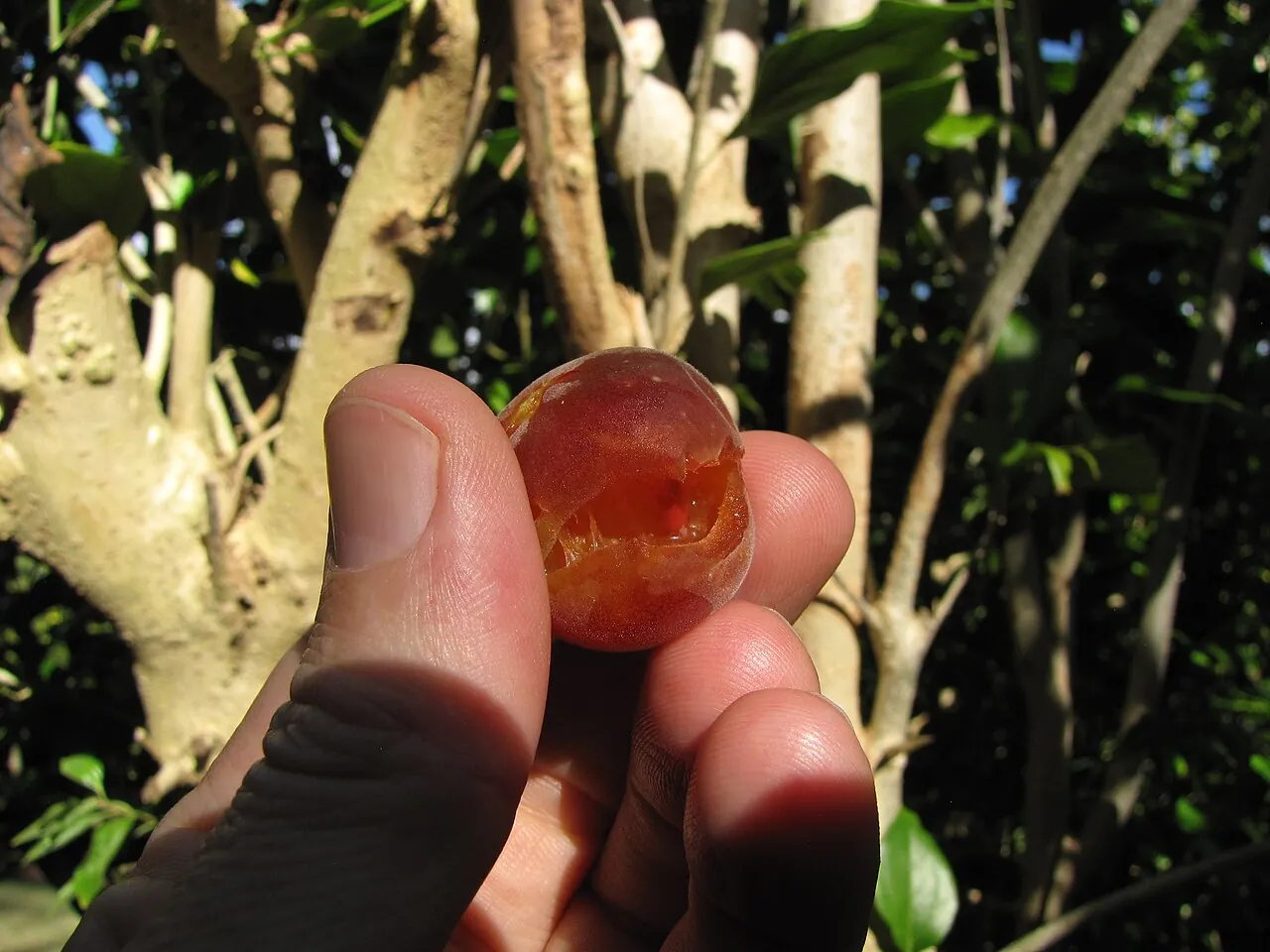
Ripe Ceylon gooseberry has juicy, acidic, purple-red pulp inside a thin, bitter, fine-haired rind.
The fruit is often too sour and astringent to enjoy raw. Ripe pulp is juicy and purple-red, inside a thin, bitter, fine-haired rind that's unpleasant to eat.
Choose, eat
1ChoosePurple-red outer color
Look for
- Purple-red outer color
- Undamaged fruit
Choose undamaged fruit with a purple-red outer color.
2EatPulp
Eat
PulpThe pulp is the part eaten, especially in preserves.
Detroit, Michigan
When it’s good here
Season not documented for Michigan.
11 names in 7 languages
- groseillier de CeylonFrench
Cook it
Strange but trueHistorySciencePeople
Sources
Sources
Ceylon gooseberry · Fruitopia · checked Sep 23, 2026
- actabra.revistas.ufcg.edu.br /index.php/actabra/article/download/577/154/3715
- growables.org /information/TropicalFruit/CeylonGooseMorton.htm
- plantuse.plantnet.org /en/Dovyalis_hebecarpa_(PROSEA)
- scielo.br /j/cr/a/RfNkYHg5NLTDDBfHgWZjz8R/?format=pdf&lang=en
- scielo.br /j/cr/a/yBRgdYSt4KQfDp4Pzk8hVdh/
- sowexotic.com /products/ceylon-gooseberry-dovyalis-hebecarpa