Canadian serviceberry
Also called Shadblow serviceberry · Juneberry · Chuckle-berryAmelanchier canadensis · Rosaceae family
A blueberry-like fruit from the rose family, shared with a busy wildlife community.
Find it near DetroitGet to know it
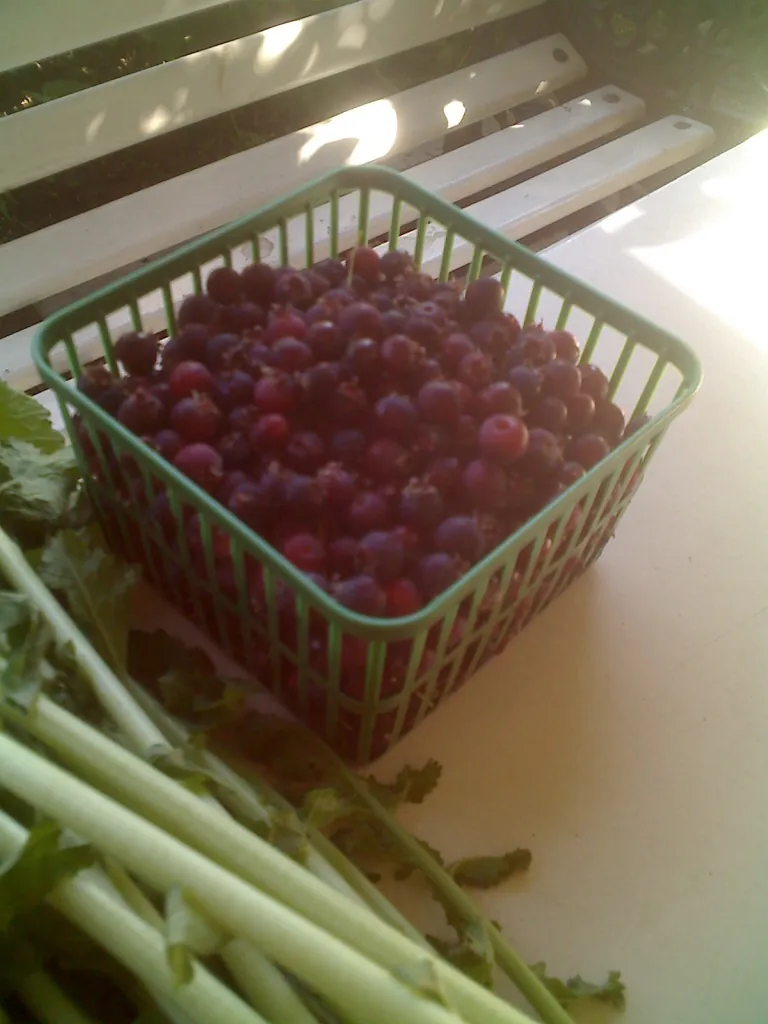
Canadian serviceberry is a sweet, blueberry-like fruit from the rose family. Each dark purple fruit is under 1 cm across, with a few small seeds inside. It looks like a berry, but it's the same kind of fruit as an apple or pear.
What it is
The plant's name is Amelanchier canadensis. Each fruit measures just 0.7–1 cm (about ¼–⅜ in) across and turns dark purple when ripe. Botanists call it a pome: the same fruit type as an apple, with several small seeds inside the flesh. The flavour recalls blueberries, and the fruit is sweet.
Where it comes from
Despite its Canadian name, this fruit also grows wild in the eastern United States. Its native range stretches from Newfoundland and southern Ontario down to Alabama.
It keeps mostly to wet places, especially on the Atlantic coastal plain, from sea level up to about 200 m (650 ft). Swamps, bogs, low ground and thickets are part of its home.
How it's eaten where it grows
In New York's North Country, where serviceberries go by juneberry, juneberry pie combines the fruit with sugar, cinnamon and cornstarch beneath a lattice of pastry.
Around Washington, DC, serviceberry sauce cooks the berries with water, lemon juice and cornstarch, and no sugar. It goes over yogurt or vanilla ice cream, or onto pancakes and waffles. The sauce can also be frozen for later.
How it's grown
Canadian serviceberry grows as a shrub with several stems, losing its leaves for winter. It can reach 3–6 m (10–20 ft) tall and wide, and new shoots rise from its roots until it makes a thicket. It does best in part shade, but takes sun if the soil stays moist. The branches have no thorns.
The variety Prince William stays a large shrub rather than a tree, with plenty of large berries.
When and where you'll find it
In its native range, the fruit usually ripens in June and July; in New England, its sweet berries come in June, around the time of the yearly shad run.
Serviceberries keep ripening after picking, and well-ripened fruit turns mushy and hard to harvest, so picking a little early helps. Freezing the berries keeps them for cooking later.
Sources · 7
- Native Plant Trust, Go Botanygobotany.nativeplanttrust.org
- Nature Up North, St. Lawrence Universitynatureupnorth.org
- NC State Extension Gardener Plant Toolboxplants.ces.ncsu.edu
- Penn State Extensionextension.psu.edu
- The Morton Arboretummortonarb.org
- Washington Gardenerwashingtongardener.blogspot.com
- Wikipediaen.wikipedia.org
Get it near Detroit
What it tastes like
The edible berries taste similar to blueberries and are used in pies, jams and jellies.
The fruit is often compared to blueberries and used in jams, jellies and pies, though the two aren't identical in aroma or sweetness.
Choose, eat
1ChooseBurgundy to purple berries
Look for
- Burgundy to purple berries
Ignore
- Fully blue color
Berries can be picked burgundy to purple; they don't need to turn fully blue. Avoid fruit showing orange rust powder.
2EatFruit
Eat
FruitThe fruit is edible, fresh or cooked. The wood is used for handles and fishing rods — not a food use.
Detroit, Michigan
When it’s good hereUsual monthsJust arrivedAt their bestLast chanceAll yearWhere it is in its usual monthsToday, Oct 22Grown hereIn season in your stateShips fromIn season where it grows
1 variety
23 names in 6 languages
Cook it
Strange but trueHistoryWhere the name came fromA record
Sources
Sources
Canadian serviceberry · Fruitopia · checked Sep 23, 2026