Camu-camu
Also called Vjok · Camu-Camu in pitoMyrciaria dubia · Myrtaceae family
Discover this sharply acidic Amazonian fruit through a strained refresco, then a small batch of jam.
Find it near DetroitGet to know it
Camu-camu is an Amazonian berry with a grape-sized body and a sharp, sour bite. In Iquitos, Peru, its juice becomes refresco, a cold sweetened drink, and its pulp flavours ice cream.
What it is
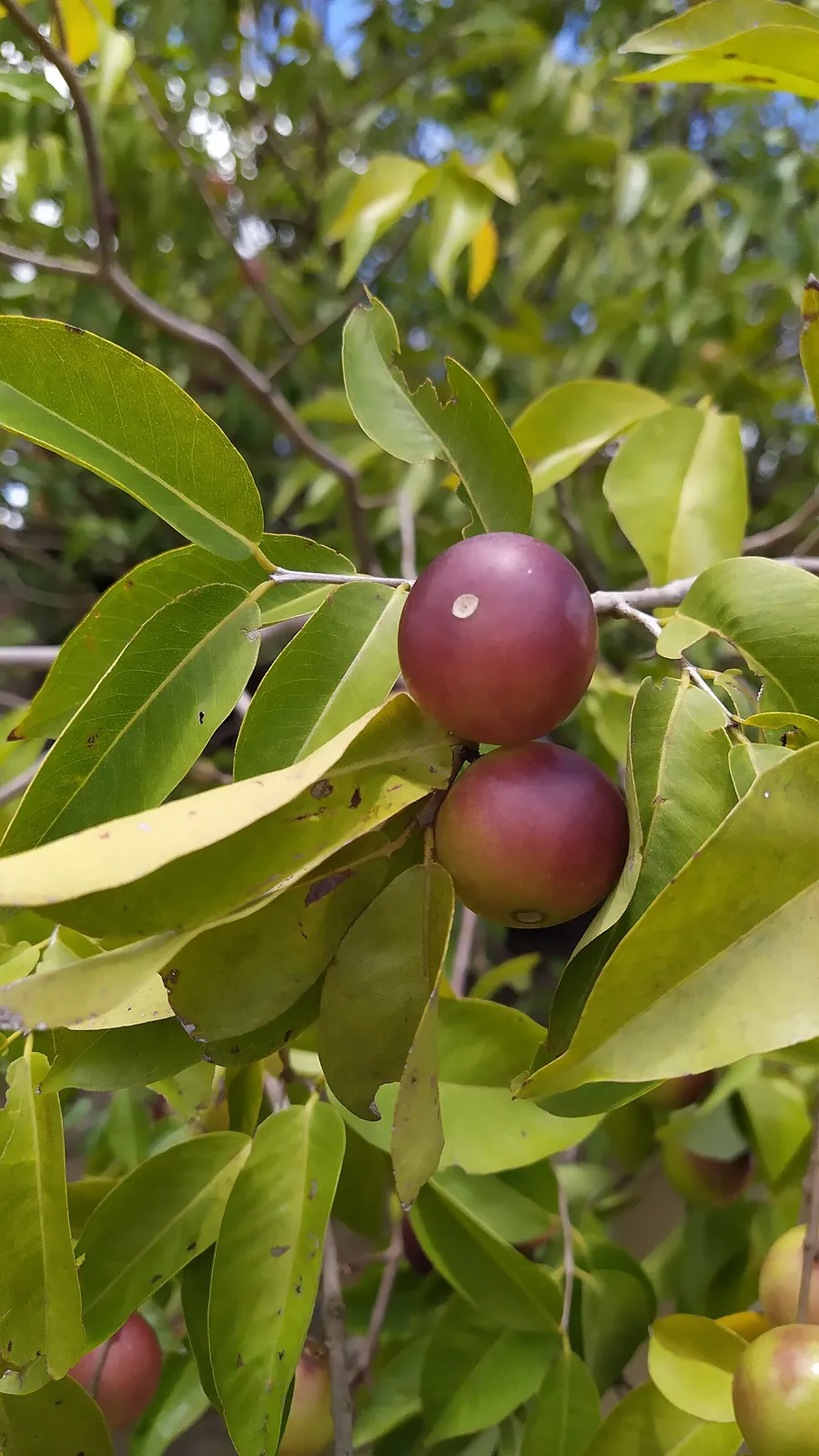
Camu-camu, Myrciaria dubia, belongs to the myrtle family. Its round berries measure about 2–3 cm (¾–1¼ in) across and turn reddish-purple to almost black. Inside, soft yellow pulp surrounds one to four flattened seeds. The pulp is acidic and very tart.
Where it comes from
Camu-camu grows naturally in Brazil, Peru, Colombia and Venezuela. In the Peruvian Amazon it is abundant along lakeshores and rivers, including the Napo, Nanay, Ucayali, Marañón and Tigre. Along rivers in seasonally flooded forest, it forms dense stands.
It is also a planted crop. In January 2022, the Indigenous community of Santa Cruz, in Peru’s Loreto region, received more than 10,000 plants of the INIA 395 Vitahuayo variety.
How it's eaten where it grows
In Iquitos, camu-camu goes into ice cream, sweets and drinks. For refresco de camu camu, the berries are crushed or blended with water, then strained; sugar and ice turn the sour juice into a cold drink.
In Lima, cook Lily Correa makes camu-camu jam with cinnamon and vanilla, serving it with fruit salad or crackers. Fresh fruit is sometimes eaten with salt in South America.
How it's grown
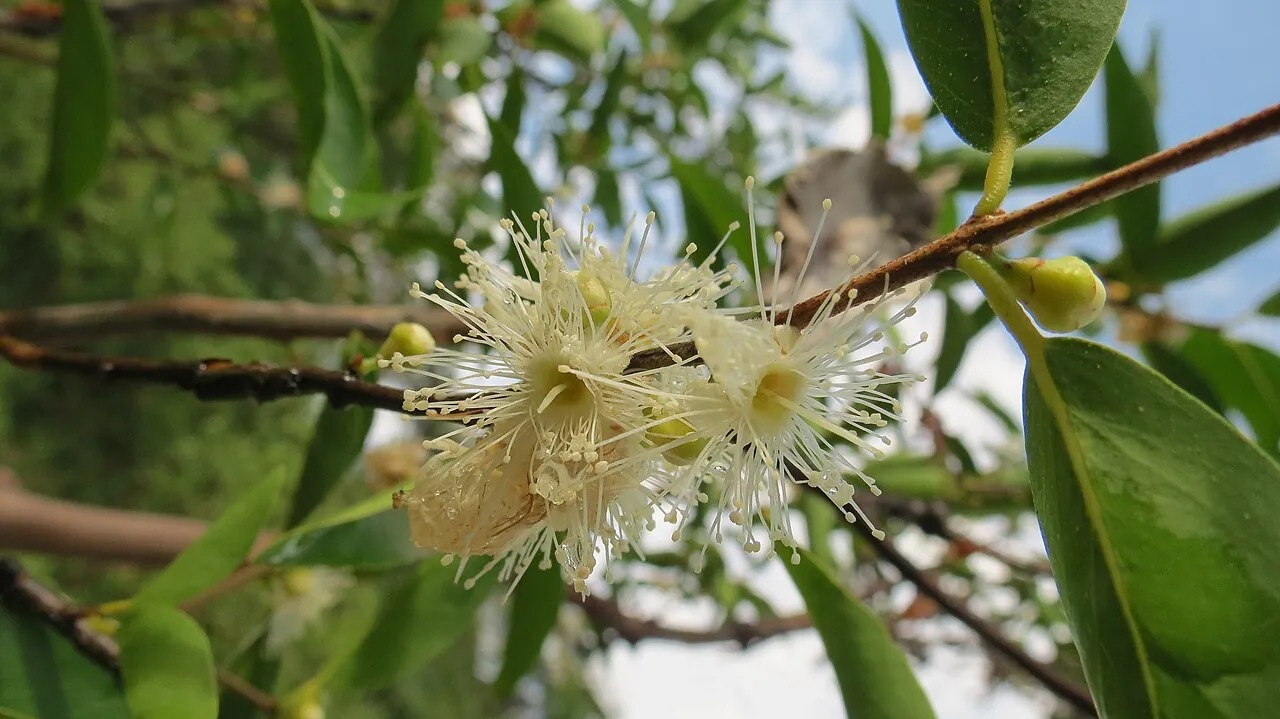
The plant is an evergreen shrub or small tree, branching heavily close to the ground. It grows best in hot, humid conditions, with wild stands occupying riverbanks that flood seasonally. Growers can graft it, joining a piece of one plant to another. Camu-camu can also share a planting with shorter-lived crops such as cowpeas, squash and cassava.
When and where you'll find it
On the dry uplands of the central Amazon, camu-camu usually fruits from December to April. Iquitos, Peru, has a growing market for the fruit and the drinks made from it, but whole berries keep for only a few days.
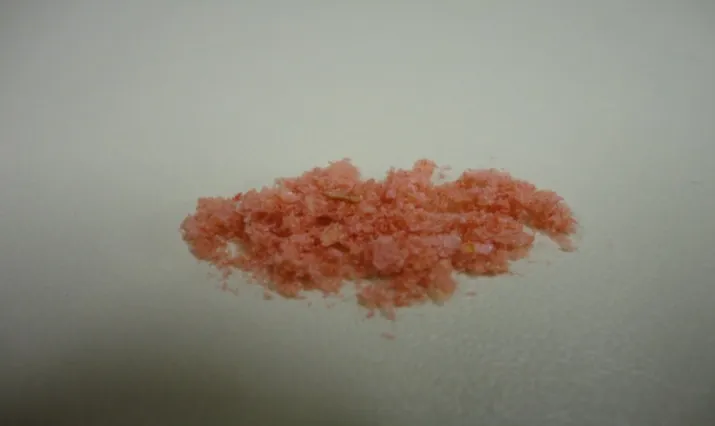
Frozen pulp travels to distant markets, where it mostly goes into drinks. Dried berries are also ground into a fine powder with a tart flavour.
Sources · 7
- Centralsuncentralsun.com
- Instituto de Investigaciones de la Amazonía Peruanaiiap.gob.pe
- Lily Correa, Cookpad (2020)cookpad.com
- Peru, Instituto Nacional de Innovación Agraria (2022)gob.pe
- San Marcos National University, Museum of Natural History (2009)museohn.unmsm.edu.pe
- World Agroforestry, Agroforestree Database (2009)apps.worldagroforestry.org
- Yanuq, Peruvian cookingyanuq.com
Get it near Detroit
Sell fruit online? Add your business
What it tastes like
Camu-camu has an acidic pulp — agreeable but distinctly sour — often used in drinks, ice cream and fruit mixtures.
Its pronounced acidic taste is part of the appeal in drinks, ice cream and sweets.
Choose, ripen, store, eat
1ChooseMature fruit
Look for
- Mature fruit
Ask for mature fruit suited to eating or juicing; green fruit won’t reliably finish ripening at home.
2RipenDoesn’t ripen after picking
Doesn’t ripen after pickingCamu-camu doesn’t ripen after harvesting; a green fruit will deteriorate rather than ripen on the counter.
3StoreCool, powder
- CoolPowderTightly closed, away from sunlight
Keep camu-camu powder tightly closed in a cool, dry place away from direct sunlight.
4EatFruit
Eat
FruitCrush the fruit with water and strain it before sweetening to make a refresco.
Detroit, Michigan
When it’s good here
Season not documented for Michigan.
1 growing area, 1 countryUsual monthsToday, Oct 23

- Pará
- You
0 of 1 areas · October
Camu-camu is often harvested from canoes, since water surrounds natural stands or floods planted areas.
1 variety
16 names in 9 languages
Cook it
1 Camu-camu festivalUsual monthToday, Oct 23
Strange but trueHistoryNature
Sources
Photos · 4

Sources
Camu-camu · Fruitopia · checked Sep 21, 2026