Cabeludinha
Myrciaria glazioviana · Myrtaceae family
A small Brazilian myrtle fruit distinguished by its hairy surface.
Find it near DetroitGet to know it
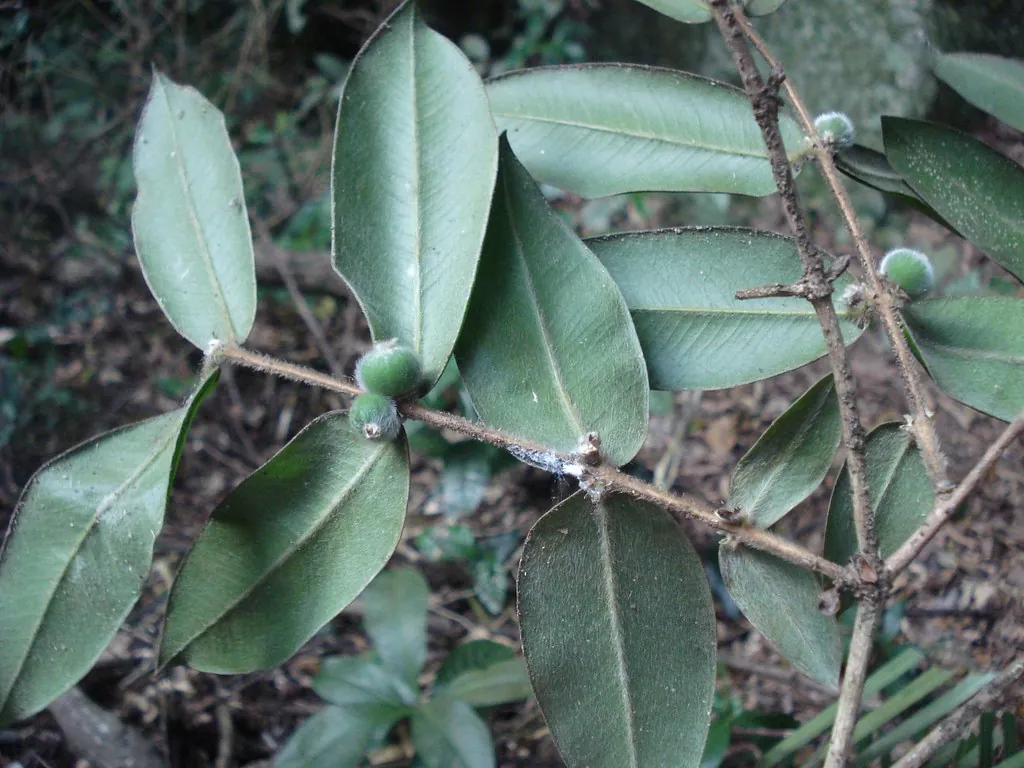
Cabeludinha is a small Brazilian fruit with velvety yellow skin and fragrant, juicy flesh. Its sweet, lightly tart pulp recalls jabuticaba, but there is only a little of it around the large seed. You break the skin and suck out the soft centre.
What it is
The round fruit measures about 2.2–2.8 cm (0.9–1.1 in) across. Its thick skin turns canary yellow, while the pulp inside is translucent. One or two large seeds take up much of the space. The skin and seed together make up most of each fruit; the part you eat is a small, fragrant mouthful.
Where it comes from
Cabeludinha comes from Brazil’s Atlantic Forest, especially Rio de Janeiro, São Paulo and Minas Gerais. It grows on forested mountain slopes, including rocky ground that stays moist.
Its botanical name is Myrciaria glazioviana. It belongs to the myrtle family, alongside guava, jabuticaba and pitanga. In Brazil it also goes by peludinha, guapirijuba and vassourinha-da-praia. Another name is yellow jabuticaba.
How it's eaten where it grows
In Brazil, fresh eating means breaking the skin, sucking out the pulp and leaving the peel and seed behind. Its Tupi name, guapirijuba, means a yellow fruit with a bitter, fuzzy skin; the small amount of flesh carries the sweet flavour and fragrance. It also goes into caipirinhas, a Brazilian cocktail, and licor de cabeludinha, a homemade fruit liqueur.
How it's grown
The plant is an evergreen shrub or small tree with a dense crown, often 2–4 m (7–13 ft) tall. It grows in sun or partial shade and likes fertile soil that stays moist but drains well, with water available through the year.
Small white flowers appear in clusters. Seed-grown plants can begin fruiting after three to four years.
When and where you'll find it
In southeastern Brazil, the fruit usually ripens from October to December. Home orchards are a common setting for cabeludinha, grown for local eating. At Sítio do Belo in Paraibuna, a tree was laden with fruit during an early-December visit in 2014.
Sources · 6
Get it near Detroit
What it tastes like
Cabeludinha has a small amount of fragrant, pleasant pulp reminiscent of jabuticaba, inside velvety yellow skin. Cooking the whole fruit into jelly turns it bitter and mutes its flavor.
How to buy it
1EatPulp · not skin, seed
Eat
PulpNot eaten
SkinSeedEat the pulp fresh and discard the skin and seed; cooking the whole fruit into jelly turns it bitter.
Detroit, Michigan
When it’s good hereUsual monthsJust arrivedAt their bestLast chanceAll yearWhere it is in its usual monthsToday, Oct 22Grown hereIn season in your stateShips fromIn season where it grows
Cook it
Strange but trueWhere the name came from
Sources
Photos · 1
Sources
Cabeludinha · Fruitopia · checked Sep 23, 2026