Bacuri
Platonia insignis · Clusiaceae family
An aromatic Amazonian pulp whose value has helped keep fruit trees standing.
Find it near DetroitGet to know it
Bacuri hides fragrant, sweet-sour white pulp inside a thick rind. This Amazonian fruit goes into ice cream, chilled desserts and sauces for fish. A piece with no seed is the prize: some of its compartments hold nothing but flesh.
What it is
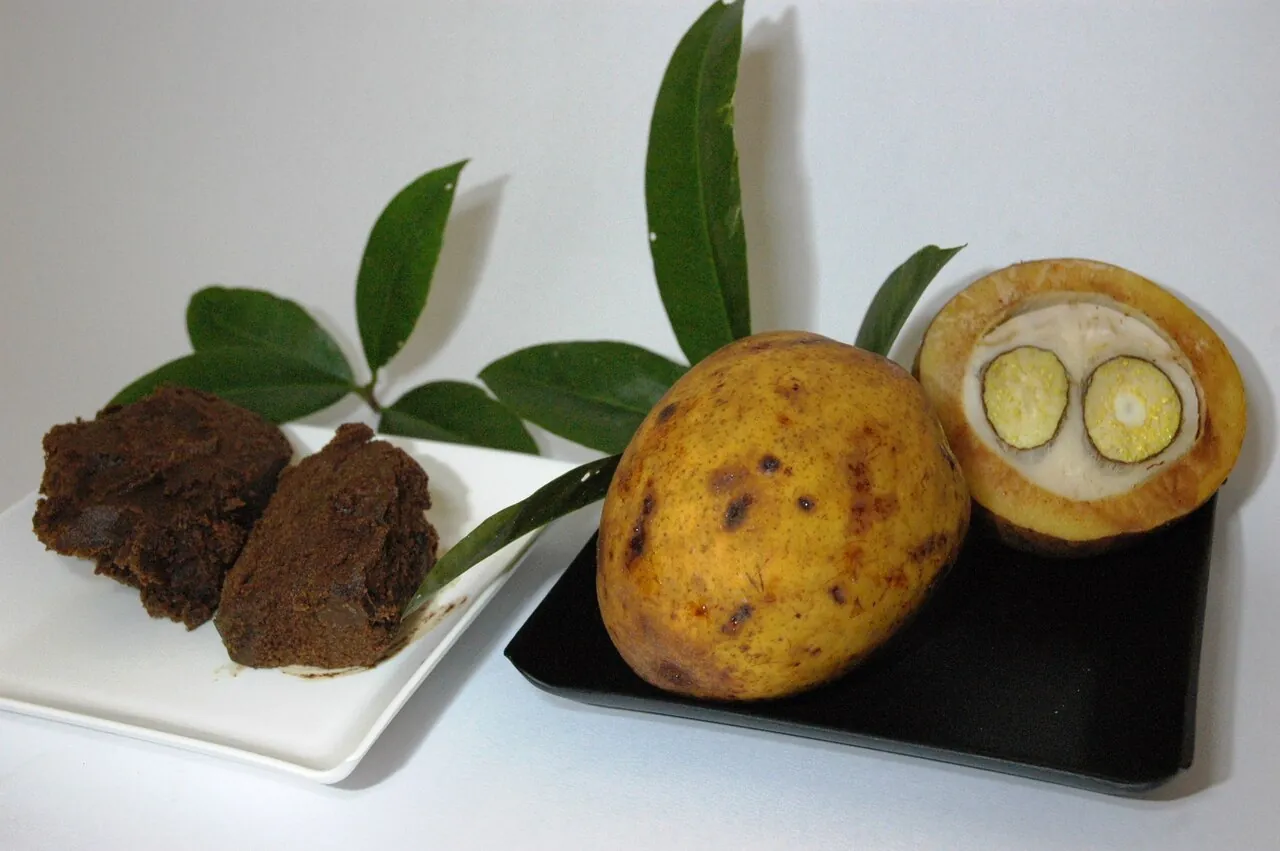
The round or egg-shaped fruit measures 7.5–12.5 cm (3–5 in) across. Its rind is 1–2 cm (⅜–¾ in) thick and holds sticky yellow resin. Ripe skin can be green as well as yellow.
Inside are usually one to four large brown seeds surrounded by white pulp. The fruit is Platonia insignis. Its sweet-sour taste and pleasant fragrance carry through both sweet and savoury cooking.
Where it comes from
Bacuri’s centre of origin is northeastern Pará, Brazil, and it is also abundant on Marajó island. Its native range reaches into Colombia and Guyana.
The tree supplies timber as well as fruit. In a good year the fruit crop is worth far more than the wood, so many farmers avoid felling bacuri trees, especially in forest growing back after clearing.
How it's eaten where it grows
In Pará, creme gelado de bacuri combines the pulp with condensed milk and cream. Stirring it with a whisk leaves little pieces of fruit in the dessert, which sets in the refrigerator. Bacuri also goes into ice cream, marmalade and jelly, or is eaten fresh.
Its tartness has a place at the main meal too. Chefs now make bacuri sauces for shrimp, fish and poultry, including roast duck breast and filhote, an Amazonian catfish.
How it's grown
Bacuri grows into a tree up to 25 m (80 ft) tall in moist tropical lowlands. Small parrots and tanagers visit the flowers for food and carry pollen between them. Fruit usually takes six to seven months to mature after flowering and is gathered from the ground after it drops naturally.
When and where you'll find it
In the Brazilian Amazon, the crop usually peaks in February or March during the rainy season. Whole fresh fruits are eaten close to where the trees grow. In the big cities nearby, frozen pulp is the main form. Frozen pulp is hard to find outside the region, though some producers there send it to cities across Brazil.
Get it near Detroit
What it tastes like
The pulp is fragrant, white and sweet-and-sour; how easily it releases from the seeds varies from fruit to fruit. Ripe skin can be yellow, green, or a mix of both.
The pulp combines sweetness, acidity and a distinctive aroma, which is used in both desserts and sauces for fish, shrimp and poultry.
Within a single fruit, some pulp compartments are seedless and especially prized, while others are attached to seeds.
Choose, store, eat
1ChooseColor alone
Ignore
- Color alone
Ripe bacuri can have yellow, green, or mixed green-yellow skin, so don't rely on color alone; a known variety and maturity information help more.
2StoreBacuri is eaten fresh where it's harvested, and sold as frozen pulp in nearby cities
Bacuri is eaten fresh where it's harvested, and sold as frozen pulp in nearby cities.
3EatWhite pulp
Eat
White pulpThe white pulp is eaten fresh and used in drinks, sweets and frozen desserts. The rind can be cooked and the seeds processed, though not with a simple household method.
Detroit, Michigan
When it’s good hereUsual monthsJust arrivedAt their bestLast chanceAll yearWhere it is in its usual monthsToday, Oct 22Grown hereIn season in your stateShips fromIn season where it grows
1 growing area, 1 countryUsual monthsToday, Oct 22

- Pará
- You
0 of 1 areas · October
Families often process the pulp near where it's harvested rather than transport the whole, heavy fruit; refrigeration then carries it to urban markets.
4 names in 4 languages
- 巴庫里(水果)Chinese
Cook it
Strange but trueNatureFood and drink
Sources
Photos · 1
Sources
Bacuri · Fruitopia · checked Sep 22, 2026