Bacupari
Garcinia gardneriana · Clusiaceae family
A small yellow-orange fruit with pale, soft pulp; "bacupari" can refer to more than one species, so look for the full name.
Find it near DetroitGet to know it
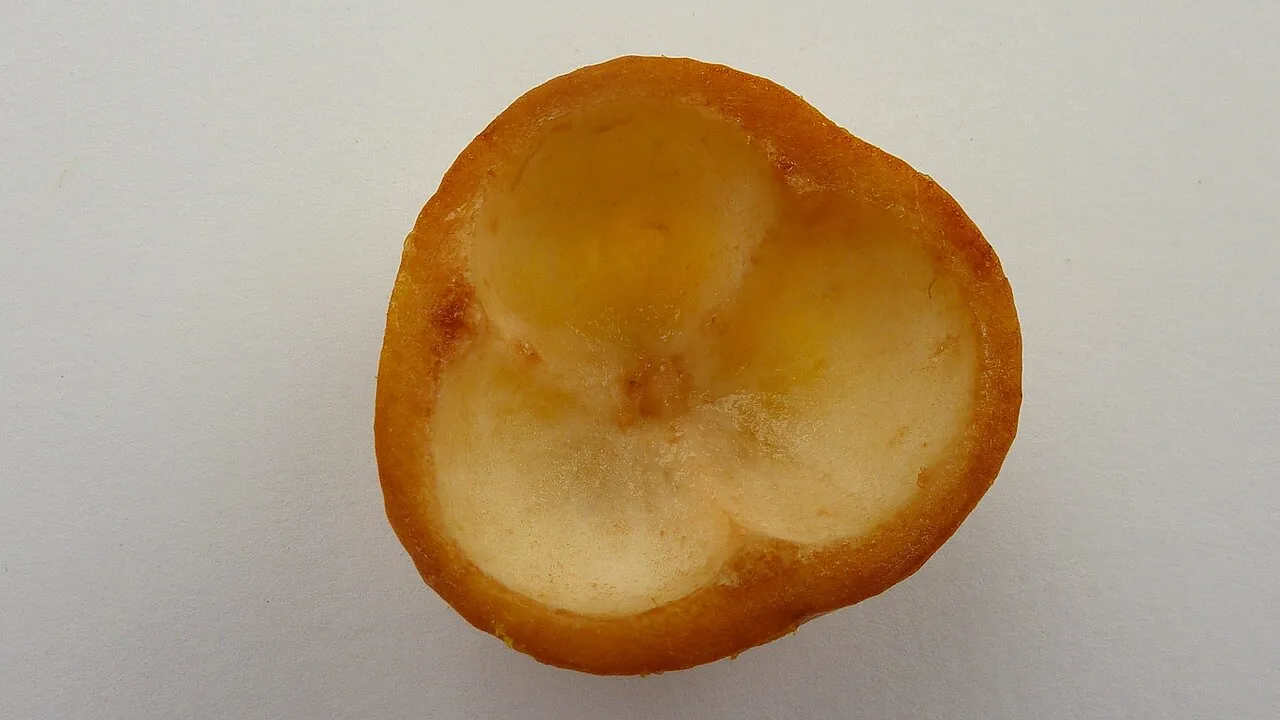
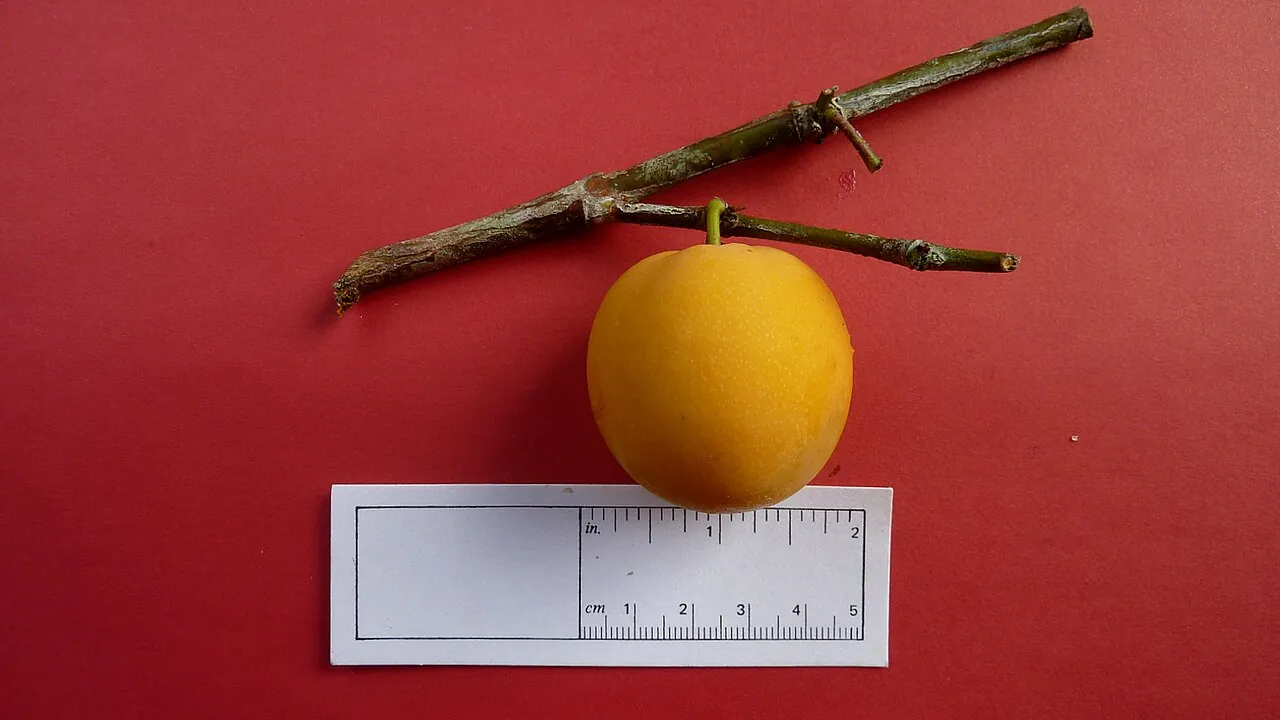
Bacupari is a small Brazilian fruit with a yellow-orange shell and white pulp that melts in your mouth. Its sweet, tangy flesh wraps around one or two large seeds, in a fruit that weighs about 9 g (a third of an ounce).
What it is
The skin turns yellow to orange around white flesh and one or two brown seeds. A fruit measures 1.5–4 cm (0.6–1.6 in) long and about 3 cm (1.2 in) across. Its smooth shell encloses soft pulp that you eat from around the seeds; cutting it open gives you access to the flesh.
Where it comes from
Bacupari grows naturally across Brazil, from Ceará in the northeast to Rio Grande do Sul in the south. Its home includes the Amazon, the Atlantic Forest and the Pantanal wetlands. Along the upper Paraná River, it is a food for riverside communities, including those around Porto Rico in Paraná state. It also grows in forest along riverbanks.
How it's eaten where it grows
In Porto Rico, Brazil, bacupari is eaten fresh and made into juice and sweets. A Brazilian pavê de bacupari turns the fruit into a layered dessert: ripe pulp is blended with condensed milk, plain yoghurt and cream. Milk-dipped sponge biscuits alternate with the fruit filling, with a final layer of filling on top. The pulp also goes into compotes and liqueurs, giving the small fruit a place in both the dessert bowl and the glass.
How it's grown
Bacupari is a slow-growing evergreen tree, suited to home fruit gardens and mixed plantings with other trees. Bees and small insects pollinate its flowers. For seed, ripe fruit is picked carefully by hand so it isn't damaged, and the seeds are sown soon after they come out of the fruit. Stored seeds quickly lose their ability to sprout.
When and where you'll find it
In São Paulo state, the fruit usually ripens from November to February; farther south in Rio Grande do Sul, usually from January to March. In the US, the specialist online seller Miami Fruit lists whole fruit under the spelling Bacuripari and the name Garcinia gardneriana.
Get it near Detroit
What it tastes like
The white pulp has a sweet-acid balance, a soft melting texture, and a mucilaginous layer around the seeds — different from a crisp, juicy berry.
The white pulp has a sweet-acid balance, a soft melting texture, and a mucilaginous layer around the seeds — different from a crisp, juicy berry.
Choose, eat
1ChooseYellow to orange
Look for
- Yellow to orange
Look for fruit that has turned yellow to orange, the color of ripe bacupari.
2EatPale pulp · not seeds
Eat
Pale pulpNot eaten
SeedsThe pale pulp around the seeds is eaten fresh or used in preparations; the seeds themselves are not eaten.
Detroit, Michigan
When it’s good hereUsual monthsJust arrivedAt their bestLast chanceAll yearWhere it is in its usual monthsToday, Oct 22Grown hereIn season in your stateShips fromIn season where it grows
5 growing areas, 1 countryUsual monthsToday, Oct 22

- Espírito Santo
- Rio de Janeiro
- Rio Grande do Sul
- Santa Catarina
- You
0 of 5 areas · October
Bacupari is used in compotes and liqueurs, and also eaten fresh or made into juice, mousse and ice cream.
Cook it
Sources
Sources
Bacupari · Fruitopia · checked Sep 22, 2026